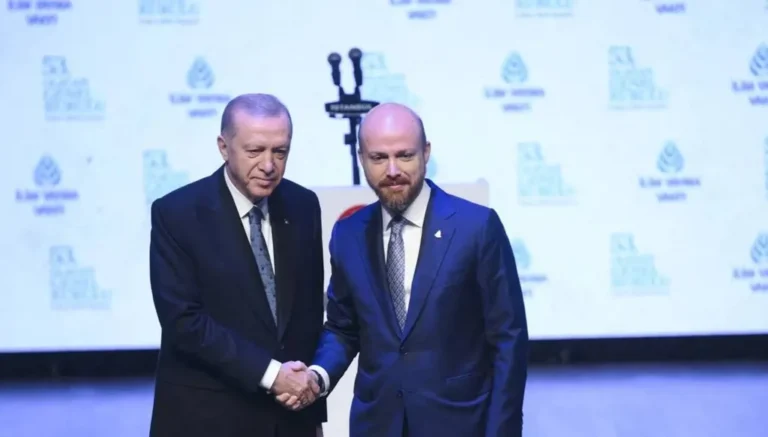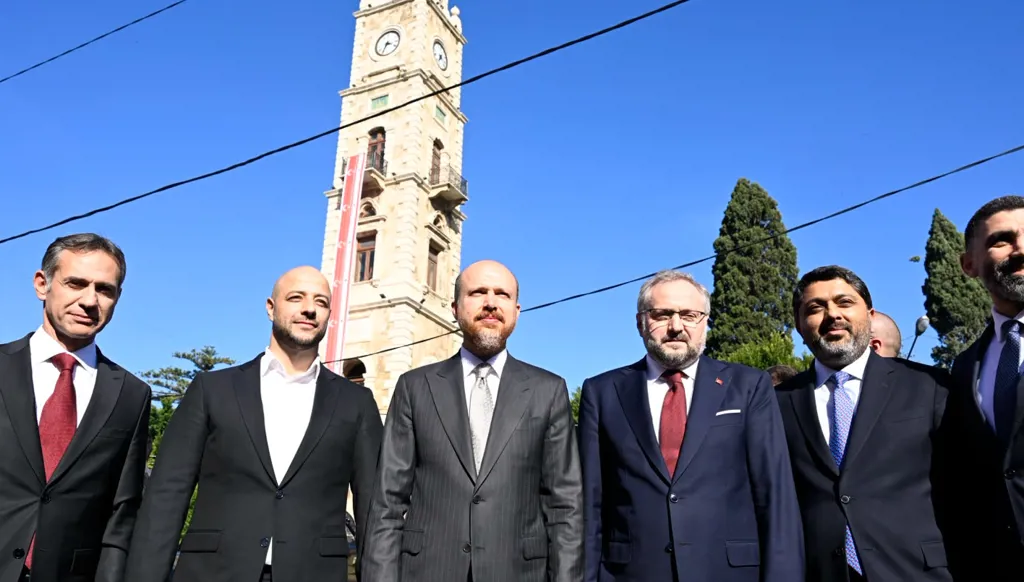
The significant reception given to Bilal Erdoğan, the son of Turkish President Recep Tayyip Erdoğan, during his visit to Lebanon garnered substantial attention across various political circles. This was despite the fact that the visitor was the son of the Turkish president, not the president himself, and that the country is experiencing political stagnation or a vacuum that can easily be stirred by any external movement.
In a notable stance reflecting regional dimensions that extend beyond bilateral relations between Lebanon and Turkey and the signing of a financial and military agreement between them, the Turkish visitor said that “the Mecca Agreement will protect the entire region, including Lebanon.” He was referring to the agreement signed by Saudi Arabia, Turkey and Pakistan last August, which has been seen as an extension of the existing strategic partnerships among the three nations, committed to enhancing regional and international security and stability and continuing collective efforts in this domain.
He also spoke from a broader perspective extending beyond Lebanon, expressing hope “that recent developments in Syria will help reconnect Lebanese, Syrian, and Turkish cities, and restore commercial and economic ties between them.”
Turkey’s entry into the Lebanese arena with such force has drawn the interest of many observers from multiple angles. One concerns whether the invocation of the Mecca Agreement alleviates concerns, provides reassurance or aligns with the Saudi approach towards Lebanon, or whether it could provoke Riyadh, given the significant role Saudi Arabia plays in this regard. This particular point raises many questions about the extent of Saudi acceptance, in addition to the fact that the nature of the umbrella included in the Mecca Agreement, and how it translates even with regard to Saudi Arabia itself, remain unclear.
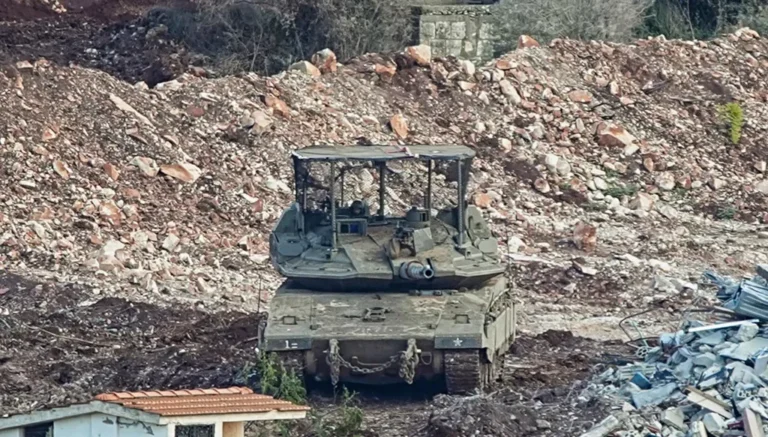
Another angle concerns regional influence, considering that the region has always revolved around a major conflict involving Turkey, Israel and Iran. The post-war period, with Iran losing ground in Syria following the fall of Bashar al-Assad’s regime and Turkey advancing to sponsor the new regime, provides Turkey, as well as Arab and regional actors, with an opportunity to make headway in Lebanon as well, following the existing path in Syria and preventing regional competitors from gaining ground, or challenging Israel, which occupies southern Lebanon, and Iran, which has a grip on the Lebanese state and prevents its emergence.
Despite Turkey not being in an antagonistic relationship with Iran and often playing the role of mediator, possessing the cards, capabilities and communications needed to undertake this role, the exploratory visit by Erdoğan’s son to Lebanon in general, and to the Sunni community in particular, could send encouraging signals to regional countries and beyond regarding shifts in the approach to the Lebanese situation.
Turkey’s influential presence in Syria, where Ankara enjoys significant influence, might extend its halo to Beirut. At the same time, Israeli concerns over Turkey’s establishment of bases and presence in Syria, which Tel Aviv opposes, could extend to Lebanon in terms of Israel asserting its presence against growing Turkish influence.
Turkish President Recep Tayyip Erdoğan had previously stated last June that “the security of his country does not begin from the Hatay province but from Aleppo, Damascus, and Beirut,” affirming that Turkey would not allow the illusions of a “Promised Land.”
According to these observers, there is no exaggeration here, nor is it about attributing more significance to Erdoğan’s son’s visit than it deserves. Rather, it is about not ignoring indicators that could be built upon. The entry of additional strong regional players into Lebanon raises significant caution, especially given the Lebanese state’s failure to prove its ability to validate its existence and impose its authority, based on numerous security, political and military indicators, previous experiences and fresh models whose effects have not yet dissipated.
This caution is linked to whether the emerging scene offers reassuring guarantees to Iran regarding the future of “Hezbollah” and allays its concerns about restrictions on weapons, given the impossibility of reverting to the past and the impossibility of accepting the Israeli occupation of southern Lebanon and recreating the previous experience of sustained occupation and a “resistance” justified by that occupation.