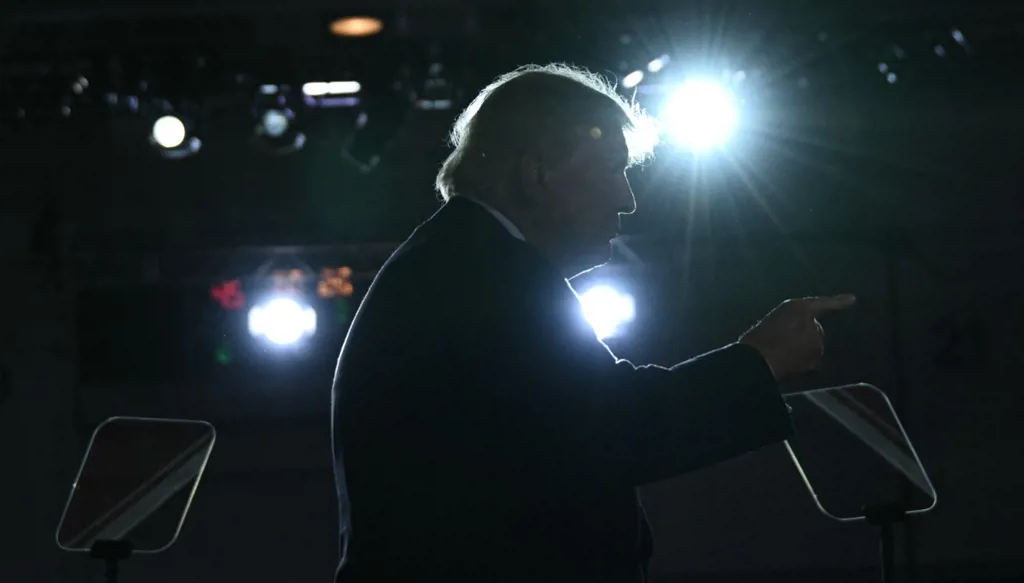
The Middle East may wake up on Wednesday morning to a Donald Trump who is more in need of a victory and less compelled to postpone his decisions. With the conclusion of the elections on Tuesday, November 3, the American president will be relieved of the burden of protecting his party's candidates from the political cost of any military escalation. If the polls confirm the predicted losses, Iran could become the issue through which he seeks to compensate for what he has lost domestically.
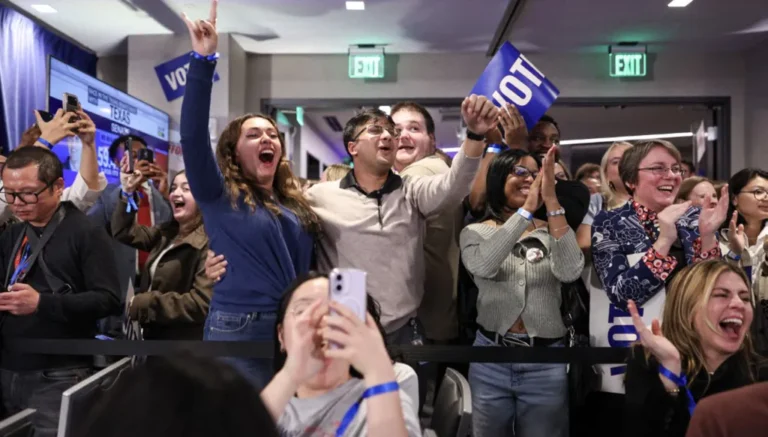
The picture of the results will begin to become clearer in our region on the morning of Wednesday, November 4, even if finalizing some seats takes additional time. Expectations suggest that the Democrats will seize control of the House of Representatives, with a chance of winning the Senate, although the battle there remains less clear. However, the new Congress will not officially begin its term until Monday, January 4, 2027. Between the two dates, Trump will have about two months during which he can act before the new majority assumes its powers, internal confrontations intensify, and the race to succeed him in the November 2028 elections accelerates.
Recent developments make this possibility more serious. According to reports published by American and Israeli media, Trump is considering resuming strikes on Iran, with a new round potentially beginning shortly after the elections.
Until Tuesday, Trump has a clear reason to wait. Escalation could drive up oil prices and heighten Americans' concerns about inflation, making Republicans pay the price at the polls. After Tuesday, however, this immediate electoral cost will disappear. If the results are harsh, he may conclude that regaining the initiative requires a major achievement during the two months before the new Congress assumes power.
Against this backdrop, coordination with Israel takes on additional importance. Trump has previously urged Israelis to keep Benjamin Netanyahu in power so they can "finish the job" together. The phrase suggests that he does not consider what has been achieved so far a sufficient end to the confrontation.
An agreement could provide the victory Trump seeks if he secures clear Iranian concessions that he can present as a success for his pressure policy. But if negotiations remain confined to temporary arrangements, he may find it difficult to market them as compensation for a major domestic setback. This is where the danger lies: his need for a resounding outcome could push him toward military action, based on renewed promises of a swift victory.
Lebanon is directly concerned with what happens after Tuesday. The threat by Iran's Supreme Leader, Mojtaba Khamenei, of an immediate response "without geographical boundaries" raises questions about the possibility of extending the confrontation to the Lebanese front. While this does not confirm that "Hezbollah" has decided to participate, it heightens concerns about Lebanon being used as part of the response to any attack targeting Iran, particularly given the party's Supreme Leader's allegiance to Iran's guide.
In contrast, Israeli Defense Minister Israel Katz warned that Hezbollah's participation alongside Iran in an attack on Israel would result in the group being struck with force and losing additional areas in the Nabatieh and Litani region, which Israel seeks to annex to what it calls its "permanent security zone."
What Maariv reported about the Israeli army's preparations further underscores the seriousness of this warning. The newspaper spoke of preparations to deploy intense firepower if the party becomes involved in the confrontation, targeting Tyre, Sidon, and Nabatieh, while expanding the Navy's role in striking Beirut's southern suburbs and imposing a blockade on the ports of Beirut and Tripoli. Meanwhile, the Air Force would be occupied with operations against Iran.
Thus, on Wednesday morning, the reading of the election results begins in Washington, and with it, across the Middle East, the reading of Trump's decisions. If he loses the majority, he will have a two-month window before the new Congress assumes power. He may see it as the most opportune moment to extract an agreement from Iran or carry out the strike he postponed. It will then become clear whether the negotiations of recent days have brought a settlement closer or merely filled the gap until Tuesday.
Disclaimer: The opinions expressed by the writers are their own and do not necessarily represent the views of Annahar.