Following the midterm elections in the United States today, President Donald Trump will come under pressure to make a decision on Iran, whether to pursue peace or war. He will not be able to remain caught between the two options for long, as doing so could undermine the Republicans' chances of retaining the White House in 2028.
Trump's dilemma, for which he has yet to find a solution, is how to ensure that any military campaign he launches is "short and intense", lasting no more than a few days, without becoming embroiled in a prolonged war, as happened during Operation Epic Fury. At rallies held by the Republican Party across various states in support of its candidates, he has been promising voters that any war he wages will be a "short trip", allowing him to finally close the Iran file and bring oil and food prices back down. This is also the central issue in the consultations he has been holding with his team and, in recent days, with Israeli Prime Minister Benjamin Netanyahu: how to wage a short war that produces results different from those of the February 28 war. According to the news website Axios, Netanyahu urged Trump to strike Iran immediately after the midterm elections, while the US president still prefers to give negotiations a chance.
The American magazine The Atlantic predicted that, following the midterm elections, Trump would hold members of his administration accountable for having assured him that the February war would end within four weeks, only for it to drag on for eight months and counting. At the top of the list of those who could be dismissed is Secretary of War Pete Hegseth. The magazine points to the precedent set by George W. Bush, who dismissed Defense Secretary Donald Rumsfeld in 2006 after the Iraq War turned into a quagmire.
While Iranian officials are aware of Trump's enthusiasm for a short war, they are threatening him with a "long war". This was the message delivered by Iranian army spokesman Mohammad Akrami Nia, who said on Sunday that "any future war could last longer than the previous one, and the US president will not be in a position to dictate when it ends or the terms of its conclusion".
If Trump becomes convinced that he can deliver what he calls a "devastating strike" that would force Iran back to the negotiating table on more flexible terms, he is likely to lean towards military action. However, if he realizes that he is on the verge of becoming mired in a prolonged war, he may refrain from striking and turn to diplomacy, bringing his Vice President JD Vance further to the forefront.
To date, the exchange of messages between the United States and Iran through Qatari mediation has continued. Reports indicate that, during talks held by an Iranian delegation in Doha, Qatar put forward a proposal under which the United States would release $6 billion in Iranian assets in exchange for arrangements to reopen the Strait of Hormuz and resume nuclear negotiations. The British newspaper The Guardian reported that Tehran had agreed to shorten the duration of the reciprocal arrangements to two days, on condition that the United States lift its naval blockade, ease sanctions and release the funds.
Following the midterm elections, Iran too will come under time pressure to avoid another war that would put its civilian infrastructure at risk. This could prompt Tehran to soften its conditions for returning to dialogue and ending the blockade. Nevertheless, there are still no signs that Iran is willing to abandon its seven conditions, while Tehran is threatening to respond "beyond geographical boundaries" if attacked. Iranian Defense Minister Mehrdad Akhlaghi warned that "those issuing threats will not be able to determine the scale, timing or consequences of Iran's response".
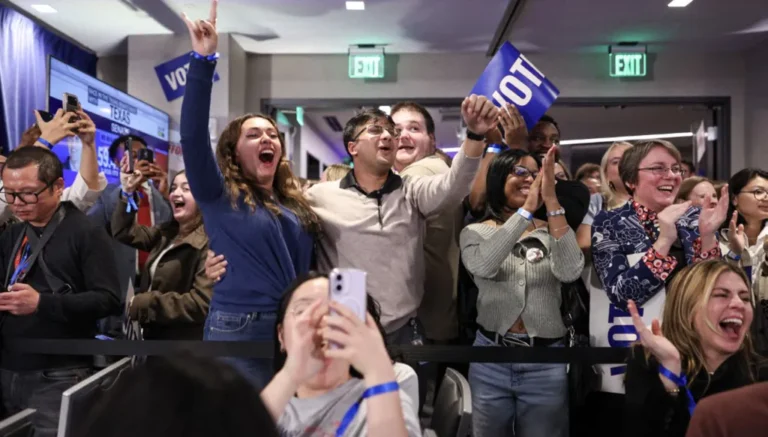
Republicans may pay the price at the ballot box today for a war that has rocked Trump's presidency, unless divisions within the Democratic Party in some states spare them a loss in the Senate, as the so-called blue wave is widely expected to sweep the House of Representatives.
Disclaimer: The opinions expressed by the writers are their own and do not necessarily represent the views of Annahar