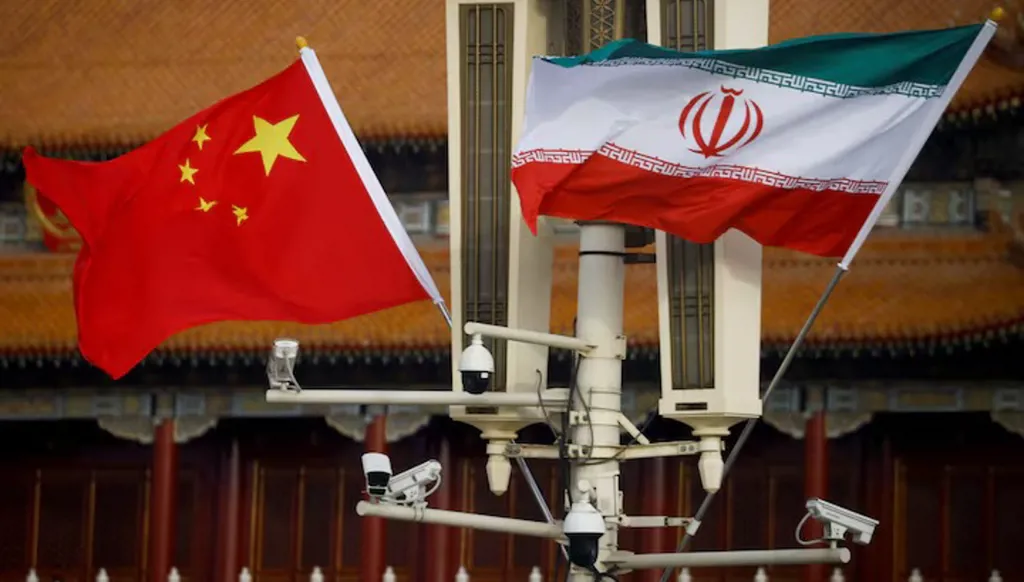
Did Washington use the summit between Presidents Donald Trump and Xi Jinping to persuade China to exert greater pressure on Iran and establish guarantees regarding artificial intelligence, without making concessions on other critical issues such as Taiwan?
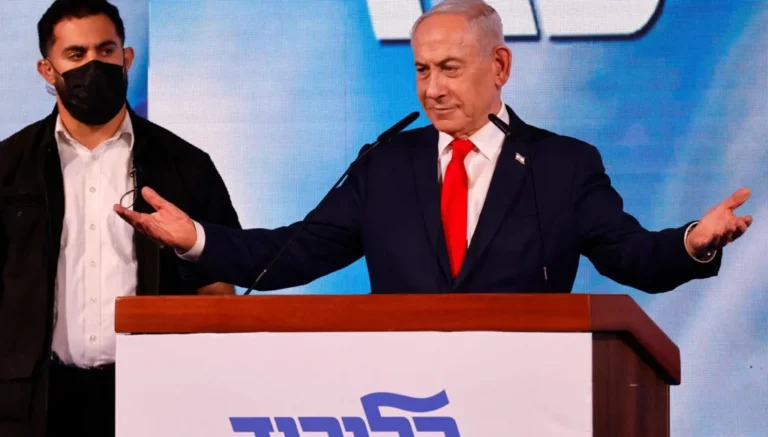
The White House recently welcomed the Chinese president on his first visit to the United States since 2023. In their previous meetings over the past year, in China last May and in South Korea in October, the two leaders had focused on managing mutual escalation over tariffs and export controls.
At the penultimate meeting between Xi and Trump, the United States and Iran signed a memorandum of understanding that was later abandoned, prompting Washington to impose a blockade on Iranian ports and tighten economic sanctions. Nonetheless, China continued to support Tehran in various ways while presenting itself as a neutral party. Against this backdrop, competition between the two superpowers in artificial intelligence is intensifying, with the Middle Eastern market representing an important prize for both sides.
Since the Iranian crisis erupted last February, two prominent researchers at a Washington-based American research center have highlighted reports documenting China's support for Tehran. Economically, Beijing remains the Iranian regime's most crucial lifeline. Despite a decline in Iranian oil flows since the American blockade took effect, China has long been the largest importer of these supplies, making significant efforts to circumvent Western sanctions and compensate Tehran for shipments it has managed to deliver.
On the military front, the Trump administration has continued to impose sanctions on Chinese entities for supplying Iran with sodium perchlorate and other raw materials used to support its missile program. Media reports have also continued to highlight American accusations that Iran used Chinese satellite imagery to help target American sites in the region. Furthermore, according to these reports, Beijing has brokered a unique arrangement allowing members of the "Iranian Revolutionary Guard" to independently task a Chinese satellite with conducting remote-sensing operations over specific sites.
However, the Trump administration has downplayed this support. Last July, Secretary of State Marco Rubio stated, "Nothing China has done has changed the course of conflicts with Iran in any way," suggesting that Beijing "has actually been very cooperative with regard to what it could have done and didn't."
That same week, Trump said in a post on Truth Social that Xi had promised "not to provide or sell weapons to Iran under any circumstances." Days later, Trump described reports that China was beginning to transfer portable air defense systems to Tehran as "surprising but things that may happen."
When later asked about Chinese support through satellite imagery for Iranian strikes, he replied, "They are essentially doing what we do. When they say China is spying on us, I say, you are right, and we are spying on them too."
These statements reinforce the impression that the Trump administration does not want the war with Iran to undermine its broader goal of stabilizing relations with China during the remainder of his term. American measures also support this assessment.
The summit took place amid intensifying competition over artificial intelligence and technological dominance in the Gulf. Saudi Arabia, the UAE, and other regional partners are racing to acquire advanced chips, build data centers, and attract foreign investment to become key players in the sector across the region. In response, Washington has eased export restrictions and investment-screening requirements in an attempt to keep American companies, and therefore American technological infrastructure, at the center of emerging AI development projects in the Gulf.
In return, China offers cheaper hardware and software, more open AI models, and fewer stringent political conditions, giving it an attractive advantage among Gulf leaders determined to achieve strategic independence and sovereignty over their AI systems.
Saudi Arabia has partnered with American companies such as Nvidia, AMD, and Cisco through the state-supported Humain AI initiative, while also using Chinese AI models and maintaining ties with Chinese technology providers. The UAE has adopted a similar strategy.
Are There Policy Recommendations?
Ending the war with Iran on United States' terms will require applying greater pressure on Tehran than Washington has so far, given that China remains Iran's most important external lifeline. Trump must therefore secure commitments from China without making concessions on other sensitive issues, such as Taiwan. To achieve this, the United States should use the following leverage points:
Declassify and disclose information about Chinese support through satellite imagery.
Gradually expand the scope of secondary sanctions as part of the "economic pariah process."
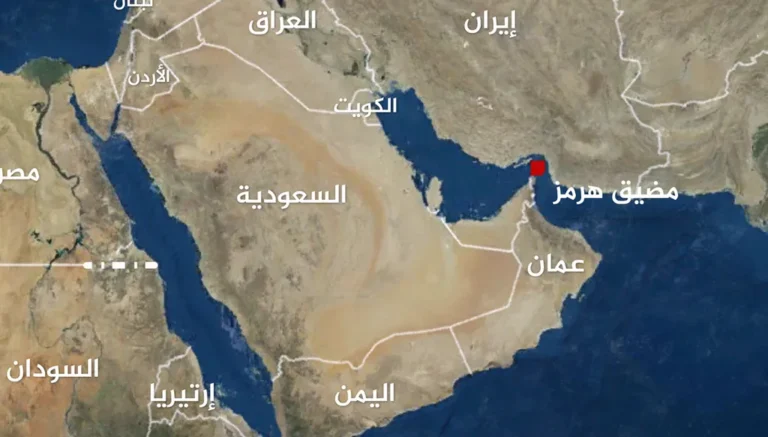
Ask Beijing to support a public commitment to freedom of navigation in the Strait of Hormuz and the Bab al-Mandab Strait.
Use the new "AI Dialogue" to safeguard American technological advantages in the region.
Washington must preserve its freedom of decision-making and coordination with its Middle Eastern partners on export controls, advanced chips, data storage, and the protection of other sensitive infrastructure. This will ensure that the United States can continue offering alternatives that are more attractive and technologically advanced than Chinese options.