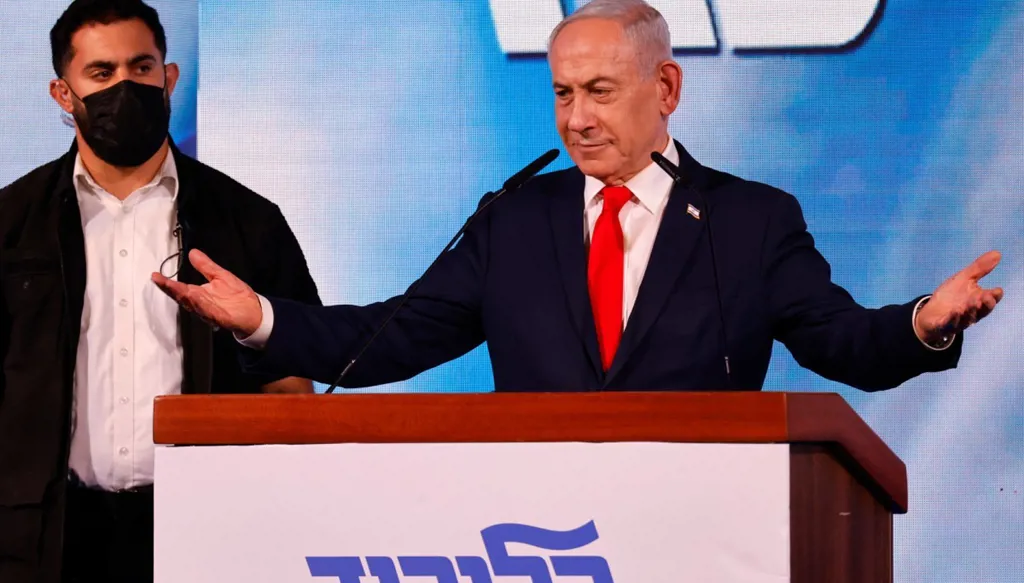
U.S. President Donald Trump wasted no time in tweeting that his support for Israeli Prime Minister Benjamin Netanyahu had enabled him to make a “strong comeback” in the elections. He was referring to Likud leading the results, even though Netanyahu’s far-right coalition failed to secure the 61-seat majority required to form a new government. The opposition, led by Yashar party leader Gadi Eizenkot, also failed to achieve a majority.
Although the results produced no clear winner, Netanyahu did not miss the opportunity to tell his supporters that “Israel has a unique opportunity with our partner President Trump to permanently eliminate the existential threat posed by Iran.”
This raises a central question: How will Netanyahu leverage the election results to advance his call for a new war aimed at toppling the regime in Tehran? It is widely acknowledged that Netanyahu cannot wage war without U.S. partnership. Even if he decided to launch a unilateral strike, he would need Trump’s green light.
Given the Israeli election results and the prevailing uncertainty, the possibility that Netanyahu could resort to war as a means of imposing a fait accompli is gaining traction. Such a move could force one of the opposition parties into a coalition government. Alternatively, new elections could be held within a few months, during which Netanyahu would remain acting prime minister, allowing him to participate in strikes that Trump has threatened to carry out against Iran following next Tuesday’s U.S. midterm elections.
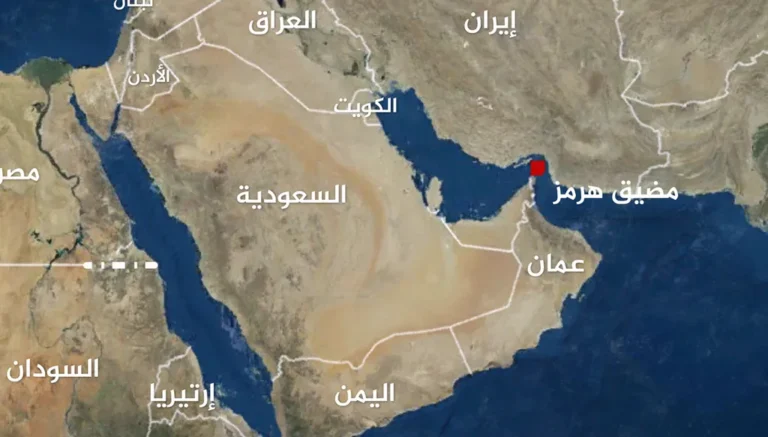
Further strengthening the possibility of war, the American newspaper The Wall Street Journal revealed that the United States had informed several Arab Gulf countries that they should prepare for the possibility of a “short but intense” military campaign against Iran after the midterms.
American media reports indicate that U.S. forces in the region have bolstered their ammunition supplies, deployed Patriot missile defense batteries, and repositioned forces to avoid potential Iranian fire. They also report that officials at U.S. Central Command and the Pentagon are preparing a wide range of Iranian targets, including energy infrastructure, military sites, and nuclear facilities.
However, these reports almost unanimously agree that Trump is still weighing his decision ahead of the midterms, with a leaning toward the military option. Citing officials, they report that the president has previously appeared on the verge of resuming military action, only to pull back at the last moment and give diplomacy more room.
In this context, Reuters reported, citing a source familiar with the negotiations, that Qatari mediators presented Iran with a new draft agreement on Sunday aimed at ending the war. Tehran is studying the proposal and is expected to respond by the end of the week. The draft sets out a seven-day timetable to address the concerns of both Tehran and Washington, including daily confidence-building measures that each side would commit to implementing. The timeline could begin early next week, with several countries serving as guarantors of the agreement.
The new Qatari proposal was followed by a four-way meeting in Tehran involving the countries of the Mecca Defense Agreement, Saudi Arabia, Pakistan, and Turkey, alongside Iranian officials, including National Security Council Secretary Mohsen Rezaei. The meeting aimed to defuse the crisis and avert a new war.
The day after the four-way meeting, Rezaei met with Supreme Leader Mojtaba Khamenei, who has not appeared publicly since taking power in March. According to Iranian media, the supreme leader stressed the “importance of achieving Iran’s interests and implementing its conditions to end the war.”
Disclaimer: The opinions expressed by the writers are their own and do not necessarily represent the views of Annahar.