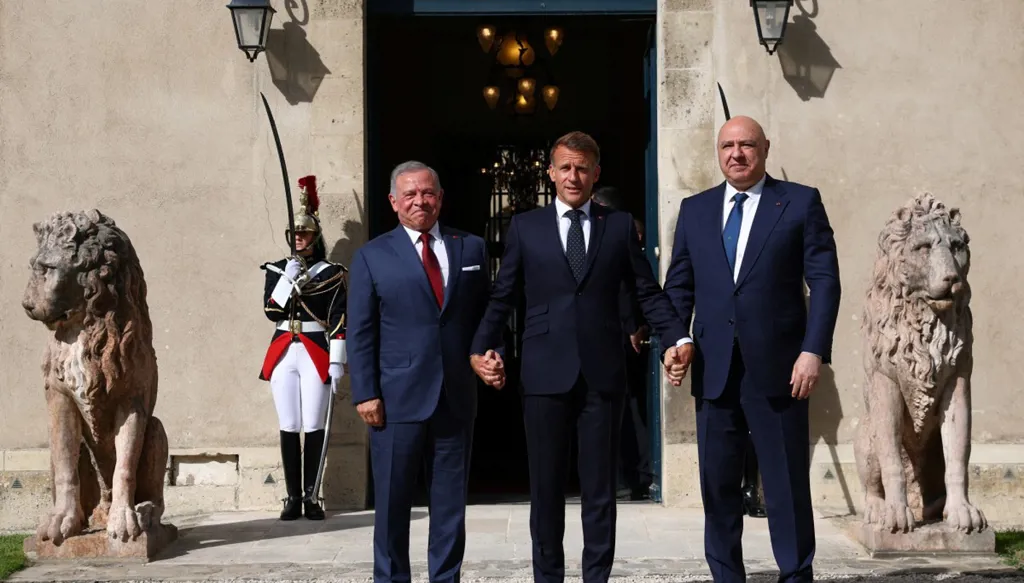
While the state may have its own considerations in this regard, they are not widely understood at home, even as Lebanon engages with the outside world and the outside world with Lebanon. This perception has already taken hold among diplomatic and political circles, not specifically regarding Nabatieh, but regarding the state’s implementation of its decision to make Beirut free of weapons, in a way that would send the necessary signals without directly putting the army to the test in areas from which Israel is first withdrawing, while providing friendly countries with strong cards that could help accelerate support. This is particularly significant given that a US announcement made when US President Donald Trump received President Joseph Aoun at the White House two months before the Paris conference, together with the positive preparations on the US side, which is regarded as the strongest supporter of the Lebanese Army at various levels, could in itself have provided the key needed to unlock all the external support required. Yet that support has been, and remains, contingent on the Lebanese Army taking control of decision making on the ground in a way that establishes an equation under which concrete steps in this regard must come first before the existing support is expanded, even if it is not yet at the required and necessary level, rather than the other way around.

