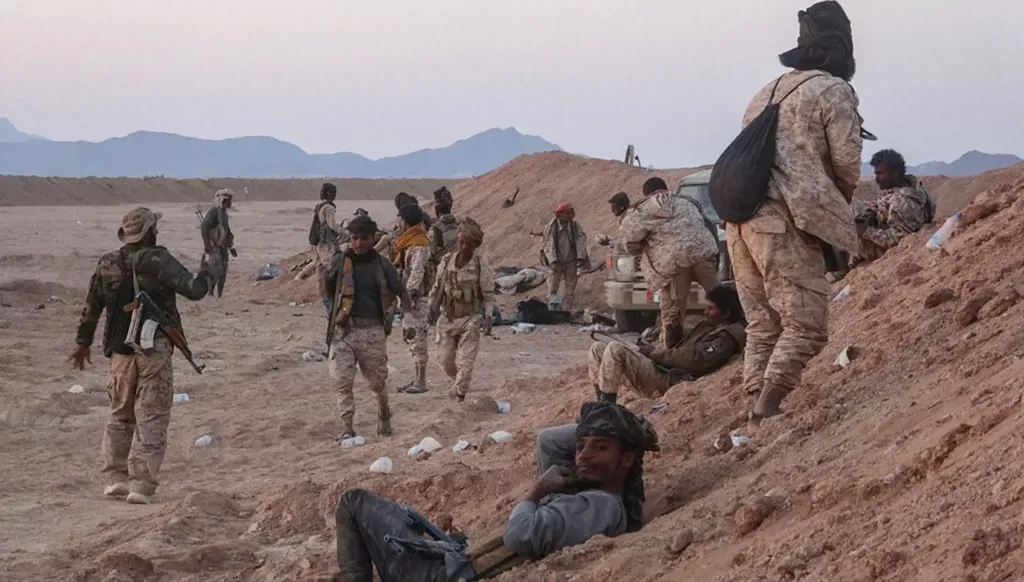
The Houthis are attacking as US ally Saudi Arabia looks on in alarm. From their stronghold in Yemen, the Iran-backed Houthis are raining missiles and drones down on Saudi airports, oil facilities and military installations, while blocking Saudi shipping through the Bab el-Mandeb Strait. Saudi Arabia's leader, Crown Prince Mohammed bin Salman, is urging President Donald Trump to help, particularly through joint air operations over Yemen. Trump can help, but not through another pointless air campaign against the Houthis. If Trump genuinely wants to slow the Houthis' advance, he should launch a strong diplomatic push rather than resorting to further weakness or more bombing. The aim should be to bridge the rift between America's Gulf allies, which Iran and its Houthi allies are exploiting. This is both important and urgent.
Disclaimer: The opinions expressed by the writers are their own and do not necessarily represent the views of Annahar
On October 10, a strike killed 13 people and wounded more than 300 at King Khalid International Airport in Riyadh. Saudi authorities absorbed the blow and cancelled an investment conference scheduled to take place there. The country is now facing further attacks. More than the war with Iran, the Houthi attacks and strikes are shaking confidence in Saudi Arabia's security and putting Crown Prince Mohammed bin Salman's economic plans at risk.
The United States and other Saudi partners are now supporting the kingdom's defences while avoiding direct involvement in mediating the conflict in Yemen, particularly the war itself. They are right to exercise caution. A resumption of US airstrikes would certainly bring an end to the bilateral truce with the Houthis, which began in 2025. Doing so would prompt the Houthis to launch attacks against US personnel and assets in the region and could reignite the devastating war against Iran. Given the unpopularity of the war with Iran, the US administration has strong incentives to avoid a wider conflict or being drawn into an open-ended war in Yemen.
"Always put a towel under your hotel room door," says a serious American researcher. It is not clear that the US airstrikes sought by the Saudi crown prince would change the course of the war. Air campaigns against the Houthis have their limits. Saudi Arabia, the United States and Israel have all tried, through limited operations and a 52-day bombing campaign in 2025, to put an end to the Houthis, but failed. The Houthis continued to harass shipping in the Red Sea.
Air campaigns can, of course, destroy some of the Houthis' military equipment, disrupt their communications and threaten their leadership. But without a meaningful ground offensive and a political strategy, airstrikes will not succeed in threatening Houthi control or changing their behaviour. In fact, previous bombing campaigns had a counterproductive effect, killing Yemeni civilians and fuelling popular opposition in Yemen to foreign intervention.
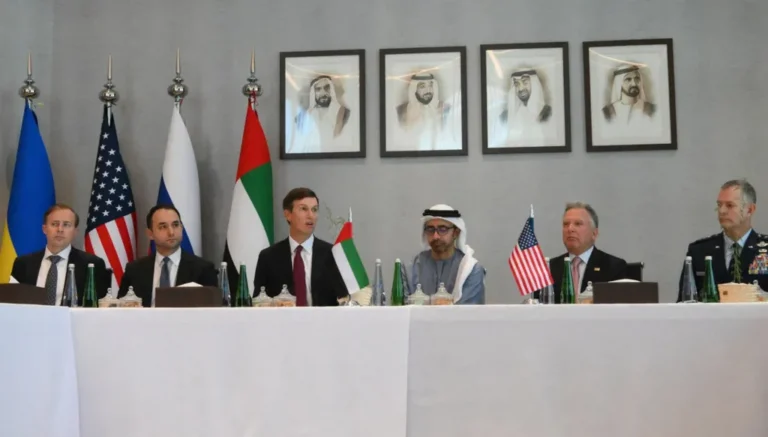
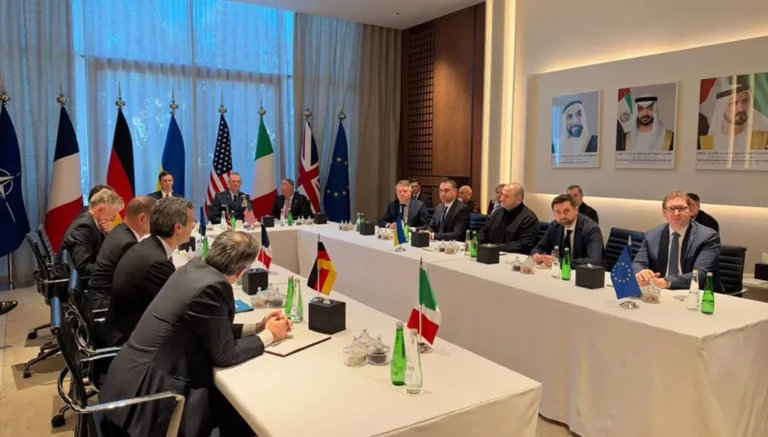
The United States can offer more than bombing. Strong, focused and determined diplomacy could make a real difference, even if it comes at a cost. A coordinated and consistent US diplomatic effort could help anti-Houthi Yemeni forces push the group back and create a political pathway towards ending Yemen's ongoing war.
Saudi-Emirati cooperation is important and delicate for several reasons. The UAE can bring vital military capabilities and combat experience to the table. Emirati forces helped Yemeni fighters drive the Houthis out of Aden in 2015 and regain control of a large stretch of the Red Sea coast in 2017 and 2018. But political alignment is equally important. Saudi Arabia's and the UAE's differing priorities and visions for Yemen reflect divisions within the Yemeni government. These divisions are a major asset for the Houthis.
A Saudi-Emirati agreement on an achievable military objective and a shared political vision for ending the war in Yemen could also unite the Yemeni groups opposed to the Houthis. Yet, under the current circumstances, anti-Houthi forces in Yemen appear either unable or unwilling to coordinate a counteroffensive, let alone agree on a common vision for the postwar period. This is a recipe for further Houthi gains, putting them in a position to dictate the terms of a peace that could allow them to continue extracting further concessions from Saudi Arabia and threatening stability in the Red Sea basin and beyond.
Without US support, the situation could deteriorate, with far-reaching consequences for Yemen. Washington cannot force Yemen onto a path towards stability or guarantee Saudi Arabia's security, but it can use diplomacy to bring its estranged allies together, strengthen its Yemeni partners and set the terms for a political settlement in which the Houthis must be involved. The president's determination to keep the United States out of yet another Middle Eastern war appears clear. Helping allies help themselves may prove a more effective and less costly approach to US leadership.