Russia-Gulf relations are facing an increasingly difficult test amid regional tensions and the US-Iran conflict.
The Gulf states have been keen to maintain balanced relations with Moscow and expand trade and economic exchanges with it, pursuing a policy of diversifying partnerships and avoiding conflicts. However, this openness raises questions about the extent to which Russia takes Gulf security concerns into account, at a time when it is seeking to strengthen its influence and confront Washington.
Gulf policy has demonstrated that opening up to international powers does not mean aligning with them. Rather, it aims to protect national interests and broaden opportunities for cooperation. Maintaining the partnership with Moscow therefore requires a balance between economic interests and security considerations.
Moscow is seeking to capitalize on regional conflicts to curb US influence and strengthen its international standing. However, this strategy could put its relations with the Gulf states to a difficult test, particularly amid allegations that it has provided intelligence or logistical support to Iran. If proven true, these allegations could heighten concerns that Russia is prioritizing its geopolitical calculations over the interests of its Gulf partners.
Moscow may achieve tactical gains by disrupting US moves, but it risks losing trust in the process. Countries with strategic interests in Russia do not want their partnership with Moscow to become a security liability or a tool in a conflict that does not serve their national priorities.
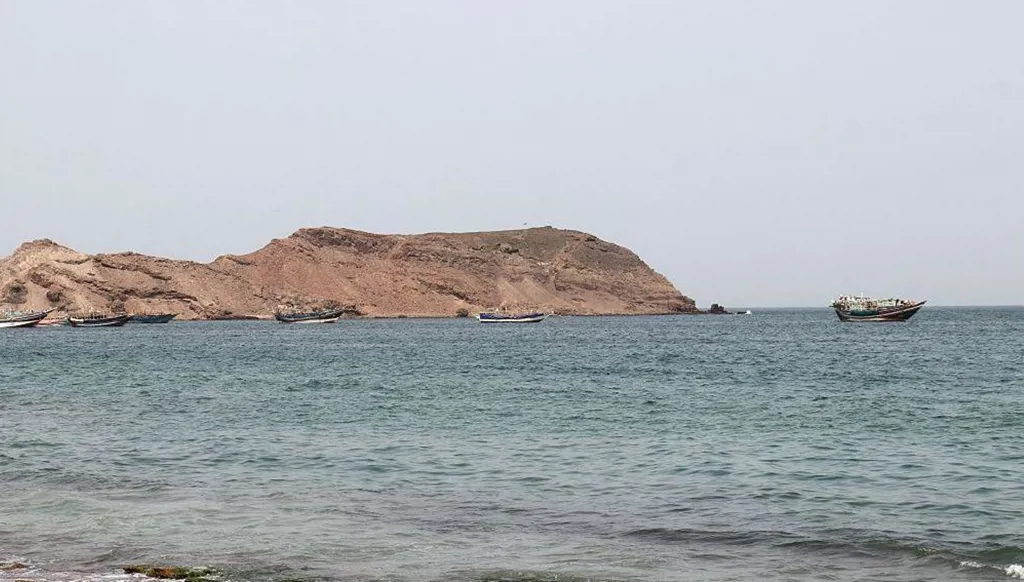
The Strait of Hormuz and Bab el-Mandeb are vital arteries for global trade and energy supplies. Any threat to maritime navigation through these waterways has repercussions for regional stability and the global economy. Russia's position on maritime attacks and threats therefore carries particular weight in determining the future of its relations with the Gulf states.
As for allegations that Russia supports parties threatening Gulf security, including the Houthis, these require reliable evidence before they can be accepted as established facts. Nevertheless, respect for the security of maritime routes remains a key benchmark for assessing the extent to which Moscow is committed to its partners' interests, particularly since their stability serves global markets and energy exporters alike.
The move by some Gulf and Arab countries towards Ukraine can be understood as part of an effort to diversify sources of defense technology and benefit from expertise in drones and counter-drone systems. This cooperation reflects a desire to broaden military and technological options rather than rely on a single partner.
This approach may also carry a political message: Gulf capitals will determine their choices according to their security needs, not solely Moscow's calculations. Moreover, strengthening cooperation with Kyiv does not necessarily mean abandoning relations with Russia. Rather, it underscores the region's determination to maintain multiple alternatives that safeguard its interests.
Cooperation within the OPEC+ group is a key pillar of relations between Russia and the Gulf states, particularly in coordinating production levels and working to stabilize energy markets. This cooperation has become increasingly important for Moscow amid Western sanctions and economic pressures.
However, oil-related understandings do not mean that political and security positions are aligned. A decline in trust could affect the overall partnership, even if economic coordination continues. Russia therefore needs to recognize that safeguarding its interests in energy markets is also linked to maintaining strong relations with Gulf producers.
The problem does not lie in Russia's efforts to counter US influence, but in its ability to balance its international ambitions with the interests of its partners. If the perception persists that Moscow places its strategic calculations above Gulf security concerns, countries in the region may seek to expand their defense and technological cooperation with Ukraine and Western countries, while reconsidering certain aspects of their relations with Russia.
Russia's losses may not take the form of an immediate economic downturn, but rather a gradual erosion of trust and political influence. Sustainable partnerships are built not on oil and trade alone, but also on respect for mutual interests and consideration for the security of all parties involved.
The pressing question, then, is: Does Moscow realize that maintaining its position in the Gulf requires a partnership that goes beyond economic interests and includes a clear commitment to addressing Gulf security concerns?
Writer specializing in Russian affairs
Disclaimer: The opinions expressed by the writers are their own and do not necessarily represent the views of Annahar