Lebanon is becoming increasingly exposed to the regional and international fallout. It has become a vulnerable link caught between threats of an Israeli war following the elections, US pressure on the Lebanese state to confront Hezbollah, and Iranian threats to ignite support fronts, including southern Lebanon. Meanwhile, the domestic deadlock is deepening as the government faces the challenge of pursuing the explosives file amid Hezbollah's escalation, while Israel continues to refuse to withdraw from occupied areas designated for testing.
So far, all indications point to the failure of initiatives aimed at reaching a settlement on the Iranian front. Fears of an imminent outbreak of conflict are growing among countries across the region. Information suggests that, if war breaks out, it will begin with US strikes on a scale not seen in the previous war, with Israel taking part if Benjamin Netanyahu is tasked with forming the government or remains in a caretaker capacity. Iran, meanwhile, will expand the conflict to several countries and mobilize its regional proxies to ignite multiple fronts.
Fears are mounting in Lebanon that it could be drawn into the war if the conflict widens. According to diplomatic sources, Lebanon will under no circumstances remain insulated from the broader confrontation or the pressure that would accompany any settlement. If Tehran decides to activate the support fronts, Lebanon will be among the first arenas of confrontation with Israel. According to the sources, everything will depend on the scale of the confrontation. Despite all the statements attributed to Hezbollah that it will not drag Lebanon into a war, there are no guarantees, even for its ally, Parliament Speaker Nabih Berri, as long as the group continues to prepare for confrontation and rebuild its capabilities under direct Iranian supervision. The explosives seized in Dahr al-Baidar and the Bekaa Valley are merely one example of shipments that preceded them as part of preparations for a confrontation, regardless of whether it begins with preemptive support operations or a surprise Israeli war targeting Hezbollah's infrastructure.
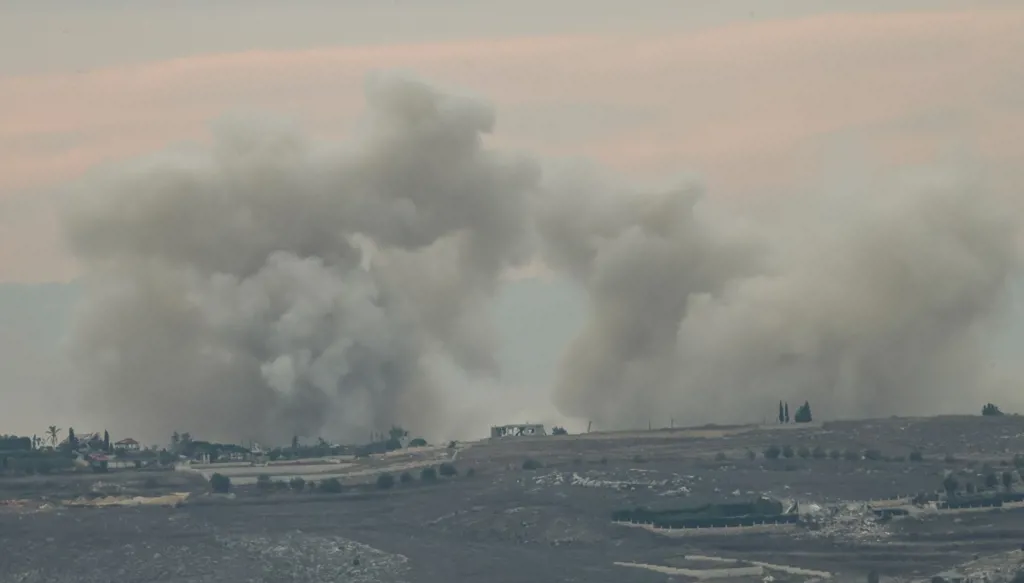
As Hezbollah continues to reject government decisions, Israel is pressing ahead with its operations and detonations in occupied villages, further increasing pressure on the Lebanese state as UNIFIL's mandate approaches its end without any alternative force having been established. This leaves the south facing a security vacuum. Accordingly, expectations are that Israeli operations against Hezbollah will intensify following the Israeli elections, accompanied by renewed US pressure on the Lebanese state to take decisive and practical measures against the group. Initial signs of this pressure have already emerged in reports of possible sanctions targeting several Lebanese individuals and entities. Washington is demanding that the state make a definitive decision to disarm Hezbollah, prevent it from rearming, and stop it from rebuilding its capabilities. This is consistent with information leaked from the latest round of negotiations in Tampa, where the Israeli delegation called for the establishment of a joint operations room with the Lebanese army. The latter rejected coordination and any verification of its measures and performance in confronting Hezbollah. Meanwhile, the US mediator took a firm position, insisting that the area be cleared of any Hezbollah presence and that the army assume its responsibilities in disarming the group and dismantling its facilities, alongside pressure to cut off Hezbollah's sources of funding through decisive judicial measures.
The Lebanese state finds itself powerless in the face of mounting pressure, which reflects US frustration with its delay in taking appropriate measures. At the same time, the state is holding back on implementing its decisions for fear of an internal confrontation, while urging the Americans to pressure Israel into withdrawing from occupied areas in the south. Hezbollah, meanwhile, leaves no opportunity unused to attack the state, further undermining its position both internationally and in its efforts to establish an Arab and international support framework and capitalize on initiatives that remain on the table from several countries in the region to support it in negotiations and in implementing its decisions to bring weapons under state control.
With this deadlock persisting, the situation appears to be heading towards escalation, driven by the failure of efforts to reach a regional settlement and the outcome of the Israeli elections. According to diplomatic sources, Netanyahu will seek to exploit the gaps in the formation of the Israeli government to the fullest and push matters towards escalation through a war against Iran, one from which Lebanon will not remain insulated.
Disclaimer: The opinions expressed by the writers are their own and do not necessarily represent the views of Annahar