Professor of Political Science at the University of Massachusetts Boston
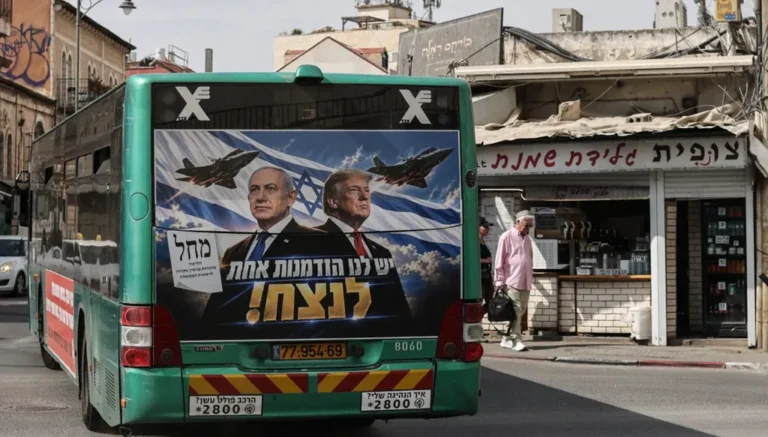
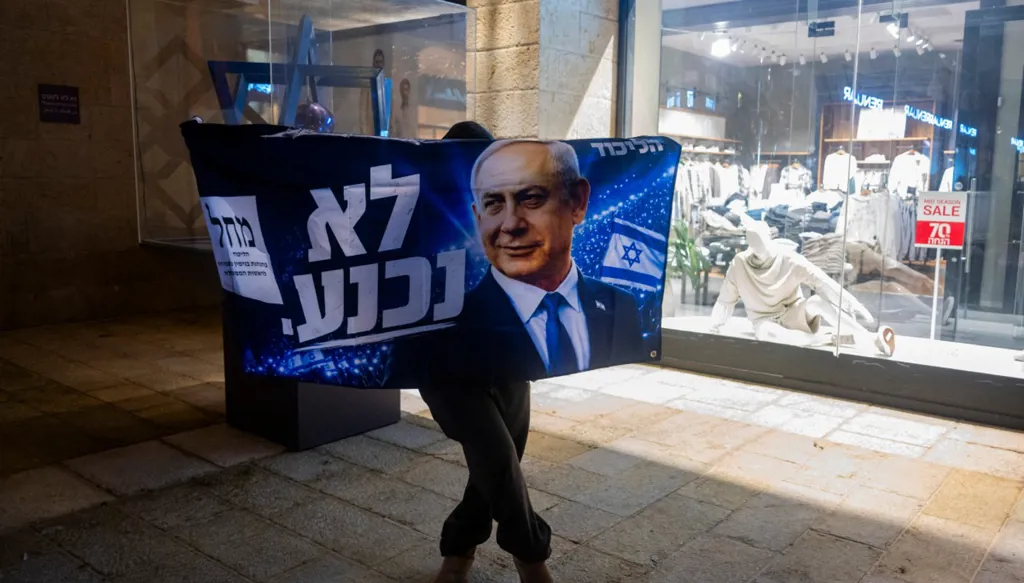
The Israeli elections scheduled for October 27 come at a pivotal moment. They are the first since the events of October 7, 2023, and are taking place amid a profound struggle over the nature of the Israeli state and the future of its institutions. For Palestinians, however, the question goes beyond the identity of the next prime minister: Will a change of government alter the reality of the occupation, or merely the way it is managed?
To understand this question, it is necessary to examine the transformations Israel has undergone since Benjamin Netanyahu first came to power in 1996, when the religious and nationalist right began consolidating its influence in political life. Settlement expansion has never been an exclusively right-wing project, as Labor Party governments also pursued it. The disagreement, however, has centered on how settlements should be expanded and the extent to which Palestinian political existence should be recognized.
The Oslo Accords marked a historic turning point, as they enabled Israel to formally recognize the Palestinian people and their political representation. Yet this recognition did not translate into acceptance of genuine Palestinian sovereignty. Israel retained control over borders, Jerusalem, and security, while Palestinians were granted limited administrative powers.
Today, the struggle within Israel pits a religious-nationalist right that has strengthened its influence within the military, police, and state institutions against an opposition seeking to restore the role of institutions and the rule of law while improving Israel's international image. In my view, the disagreement between the two sides is not about the settlement project itself, but rather about the means of ensuring its continuation.
If Gadi Eisenkot succeeds in forming the next government, we may witness a modest slowdown in overt settlement expansion, attempts to curb the influence of the most extremist and violent settlers, and efforts to restore a degree of stability. However, this would not mean abandoning settlement activity or recognizing an independent Palestinian state.
Eisenkot sees an Israeli interest in maintaining the Palestinian Authority as an administrative body that reduces the burden on the Israeli military of managing and monitoring Palestinian affairs.
By contrast, the far right, represented by Bezalel Smotrich and Itamar Ben-Gvir, is pursuing policies that, in my view, aim to displace Palestinians by making their lives increasingly difficult in the West Bank and Gaza.
In the Gaza Strip, Eisenkot may seek a period of calm that would allow more humanitarian aid to enter, the introduction of new administrative and security arrangements, and the beginning of reconstruction, in line with the requirements of Trump's peace initiative, namely the latest American plan. Such measures would form part of an effort to restore Israel's image and improve its regional relations.
However, increasing humanitarian assistance does not mean resolving the crisis in Gaza. It would merely alleviate some of its consequences without addressing the core issue: continued Israeli control and the absence of Palestinian sovereignty.
I do not expect an Eisenkot-led government to recognize a Palestinian state. Instead, I anticipate a return to a policy of delay and conflict management rather than resolution, preserving the Palestinian Authority while postponing a political settlement. Although this approach may differ in its methods from the policies of Netanyahu and his more extremist allies, it offers no genuine path toward ending the occupation and achieving Palestinian independence.
It would be unfair to reduce the Oslo Accords to a mistake made by the Palestinian leadership. They represented a political choice made under specific historical circumstances and achieved significant political recognition of Palestinian existence. Yet the price of that recognition was high, as Palestinians' ability to govern themselves was restricted and the Palestinian Authority became a local administration rather than the foundation of an independent state.
In my view, the greater mistake was continuing to rely, after the Second Intifada, on the possibility of reaching a settlement with Israel, despite the diminishing prospects for establishing a Palestinian state. The division between Fatah and Hamas further deepened this impasse and weakened Palestinians' ability to develop a unified political position.
For this reason, Palestinian hopes should no longer depend on the emergence of a more moderate Israeli government. The priority today is to rebuild the Palestinian national project, revive the Palestine Liberation Organization and its representative institutions, and restore political unity.
American and Arab pressure remains necessary to influence Israeli policies, but it cannot compensate for the absence of Palestinian unity and strong national institutions.
The events of October 7 and the wars that followed have profoundly transformed the region, and their consequences remain uncertain. The challenge today is how to turn the enormous human and political price paid by Palestinians into an impetus for rebuilding their national project, rather than allowing those sacrifices to go to waste.
Netanyahu's departure may change the way the conflict is managed and perhaps ease some of the more violent policies, but it will neither end the occupation nor achieve Palestinian independence. The future of the Palestinian people, therefore, cannot remain hostage to the results of Israeli elections. It must instead rest on their ability to restore unity and build a political project capable of influencing the balance of power.
Disclaimer: The opinions expressed by the writers are their own and do not necessarily represent the views of Annahar.