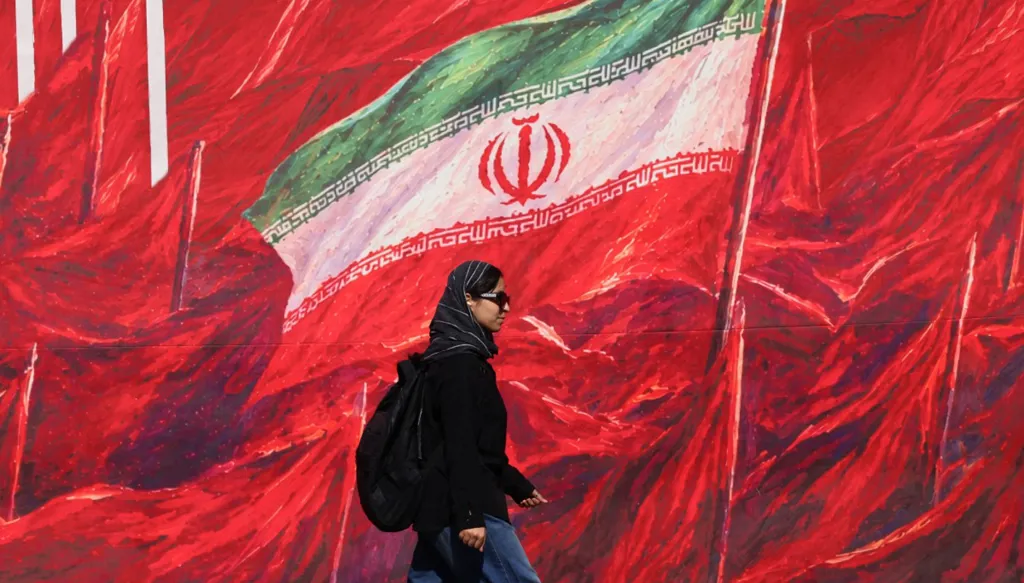
In the final quarter-hour of preparations by the United States and Israel for a new war against Iran in the coming days, a four-way meeting in Tehran brought together Iranian Supreme National Security Council Secretary Mohsen Rezaei, Saudi Defense Minister Prince Khalid bin Salman, Pakistan’s army chief, Field Marshal Asim Munir, and Turkish intelligence chief Ibrahim Kalin. The meeting marked the first serious contact between the parties to the trilateral Mecca Agreement on mutual defense and Iran, at a pivotal moment for the Gulf and the Middle East as a whole.
The meeting comes as Gulf states make no secret of their opposition to another war in the region, particularly given Iran’s announcement that it would target civilian infrastructure in these countries in retaliation for any attack against it. Iran insists that, under any potential agreement with the United States, the Strait of Hormuz will not return to the status quo that prevailed before the US-Israeli war began on February 28. Iran’s demand to impose transit fees on oil tankers passing through the strait has met with opposition from the Arab Gulf states.
At the same time, the four-way meeting in Tehran offers an opportunity to gauge Iran’s willingness to help end the war in Yemen and, consequently, halt Houthi attacks on airports and oil facilities in Saudi Arabia. It is no secret that Tehran has turned the war into a pressure point in its conflict with the United States.
It is worth recalling that the four-way meeting follows remarks made last week by US Ambassador to Turkey Tom Barrack at the Global Security Forum in Doha, where he warned that the United States could no longer guarantee the security of the Gulf states indefinitely. He called on countries in the region to take responsibility for their own defense and build alternative regional alliances. What Barrack said is already being put into practice by Donald Trump, who has refused to intervene militarily against the Houthis since they advanced toward the Bab al-Mandab Strait in September and bombed critical infrastructure inside Saudi Arabia.
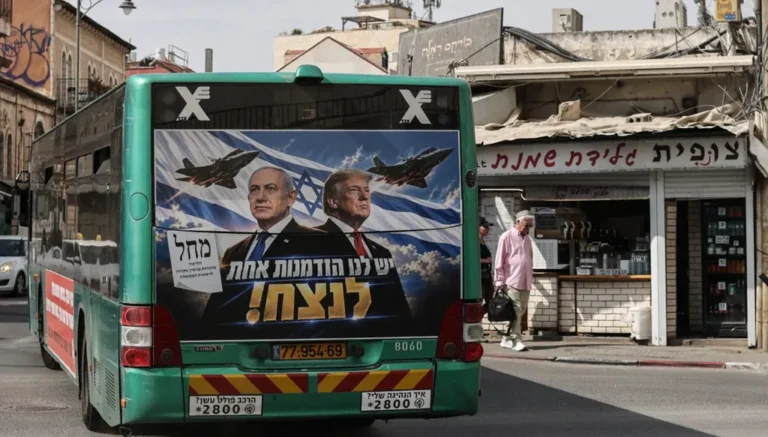
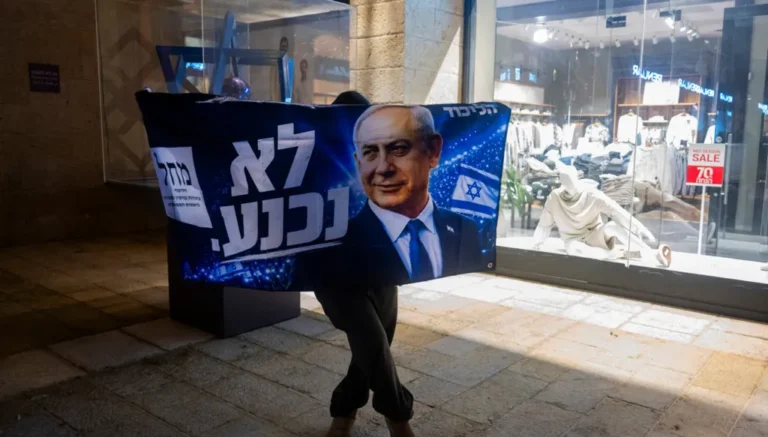
Diplomatic efforts are racing against the drumbeat of war in Washington and Tel Aviv. There are fears that Israeli Prime Minister Benjamin Netanyahu may launch an attack on Iran, whether he wins or loses tomorrow’s election, in an attempt to create a fait accompli and force opposition parties to join him in a national unity government. It is no longer a secret that divisions are emerging between Israel’s political and military leadership. Chief of Staff General Eyal Zamir and intelligence chiefs do not share Netanyahu’s claims that Iran is resuming its nuclear activities.
For this reason, they see insufficient justification for going to war, whether before or after the election. Netanyahu excluded Zamir from a meeting he held with US Secretary of War Pete Hegseth last week at a military base in southern Israel. The Israeli prime minister is seeking to ratchet up tensions with Iran and in the West Bank to the highest possible level, portraying himself as the only person capable of protecting Israel.
Will the move by the parties to the Mecca Agreement toward Tehran prevent another war from breaking out in the Middle East and lay the groundwork for de-escalation in Yemen as well?
This will not be an easy task unless Iran shows flexibility on the conditions it is setting for returning to the negotiating table and genuinely helps persuade the Houthis to halt their attacks on Saudi Arabia.
Commenting on the Saudi defense minister’s visit to Tehran, Saudi Deputy Foreign Minister for Public Diplomacy Raed Qarmali said: “The visit comes as part of the continued efforts by the parties to the Mecca Agreement on mutual defense to de-escalate tensions among the parties to the current crisis and encourage dialogue and diplomatic solutions.”
Iranian Deputy Secretary of the Supreme National Security Council Ali Bagheri said: “The four-way meeting in Tehran could be an important and effective step toward building sustainable regional security, and we hope this initiative will help build a stable region.”
Alongside the four-way meeting, a Qatari delegation has been visiting Tehran since Sunday as part of efforts to avert war. Meanwhile, the Iranian Foreign Ministry spokesperson confirmed that messages are being conveyed to the United States through intermediaries.
Disclaimer: The opinions expressed by the writers are their own and do not necessarily represent the views of Annahar