Countries are built through solidarity and the efforts of groups that share common ground and work together at certain historical junctures. Their founding members come together around shared values, aspirations, and visions for the future, setting aside their differences to become nation-builders and establish the foundations of coexistence.
As time passes, society evolves, and individuals and emerging generations become more diverse, conflicts begin to emerge. These include the clash between capitalist and socialist thought, as well as class, racial, sectarian, and personal differences.
When those in positions of responsibility embrace one of these ideas, convictions, or beliefs, they can either plunge society into disputes, divisions, and armed conflict or set it on a path toward activity and prosperity.
Historically, Lebanon has been caught up in external rivalries, initially between France and Britain, and later, during the presidency of Fouad Chehab, when he sympathized with the Nasserist Arab and Syrian-Palestinian axis in its confrontation with the Western bloc.
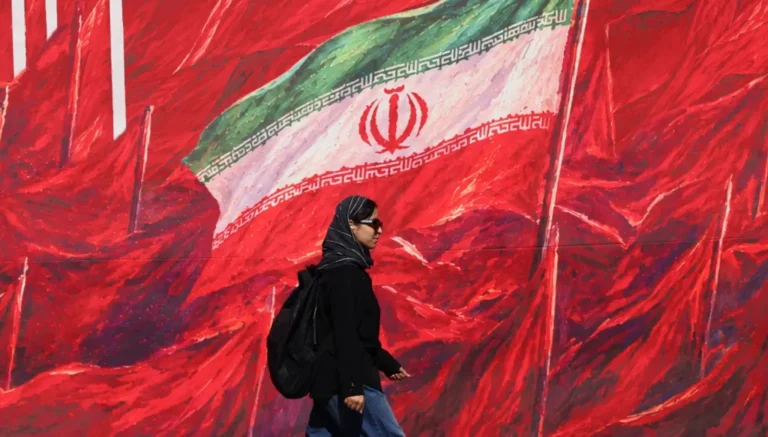
Today, the country is witnessing a power struggle between the Iranian axis and its supporters on the one hand, and the Western, American, and Israeli axis on the other.
Domestically, the conflict appears to pit the Iranian Shiite axis against the Western bloc, aligned with the United States and the Sunni community. The situation is further exacerbated by Israel's blatant presence and American backing, as well as the neglect of the Palestinian cause and the Palestinians' right to live in safety.
This deadly power struggle has thrown Lebanon into a state of internal imbalance. Society finds itself caught between a fragmented and weakened state and a deeply entrenched military force and partisan factions whose convictions and beliefs run counter to those of the existing state.
This internal conflict casts a destructive shadow over society as a whole, preventing it from achieving progress and security. The judiciary is faltering, the economy is deteriorating, industry is declining, the social fabric is fraying, and freedoms are being eroded.
The country is living in a state of chaos, weakness, violence, and political and religious intransigence, while national unity is crumbling, identity is disintegrating, and poverty and a lack of sovereignty are becoming widespread.
This reality raises questions about the state of those in positions of responsibility and their ability to protect society, restore awareness and security, and unify the system under an inclusive national vision that safeguards a shared future. Rational voices and those who embrace the concept of living together with acceptance of one another must come together.
From a psychological perspective, questions arise about an individual's ability to determine their own destiny and find common ground with others.
Those in positions of responsibility are expected to understand the demands of authority with maturity and a sense of responsibility, and to prioritize the public and national interest over emotions and sensitivities. They must also recognize the ongoing conflict within every individual, including every public official, between the life instinct, or Eros, and the destructive, death instinct, or Thanatos.
Those in positions of responsibility must recognize these impulses, acknowledge them, and understand their nature in order to channel them into constructive interactions. The ego has two dimensions: the conscious and the unconscious, which interact continuously.
This requires statesmen to understand themselves, identify their desires, exercise self-restraint, and place the public interest above all else. They must rise above temptations, inducements, and ideological or religious convictions, remaining committed to a rational approach that serves the people's interests and protects the nation.
Nations need wise leadership so that we do not stumble, intoxicated, down the roads of death, taking pride in victories while remaining far removed from the security we seek.
Political leaders must demonstrate idealism, sound judgment, and respect for the law. An inflated ego and a tendency toward self-aggrandizement on the part of those in positions of responsibility can only lead to the collapse of the nation and society.
The courage to pursue harmony is greater than the courage to face death. We must not plunge into battlefields in the service of others' peace.
Even if Lebanon comes close to collapse, it can, through the determination of reformers, still recover its capacity for creativity, embracing an open outlook toward both East and West while preserving its distinctive identity. It must look to enlightened and principled individuals, free from self-interest, who possess the knowledge and integrity needed to restore the state and revive the nation.
Disclaimer: The opinions expressed by the writers are their own and do not necessarily represent the views of Annahar.