Lebanon finds itself facing a delicate equation involving the obligations of disarmament, the fate of negotiations, and securing an Israeli withdrawal, amid a race between a settlement and escalation on the Iranian-American front, as well as the formation of a new government in Israel.
It has become clear that American and international support for Lebanon is conditional on the state's commitment to implementing its decisions to disarm Hezbollah through decisive measures that put an end to its influence within the country and prevent it from rebuilding its capabilities.
Lebanon's window of opportunity to meet international demands has narrowed. From the American perspective, as Washington seeks to separate Lebanon from the Iranian track, simply renewing the commitment to implement cabinet decisions is no longer acceptable. Instead, disarmament and a decisive confrontation with Hezbollah must come before any discussion of an Israeli withdrawal, which is conditional on security arrangements being put in place in the south and a political agreement being reached. This places further pressure on the Lebanese state and deepens its domestic predicament, despite President Joseph Aoun's reaffirmation, in his Independence Day message, of the state's firm positions against occupation and weapons outside its authority, a stance that received a boost from a message of support from Trump. However, the message indirectly calls on the state to bring about changes in Lebanon's domestic political course. Support can only materialize if the conditions concerning weapons are met and the state's authority is effectively extended over its territory.
American pressure on Lebanon is taking on new dimensions. This was reflected in Washington's rejection of a proposal to extend UNIFIL's mandate by six months during the latest UN Security Council session on Resolution 1701. The reason is that the United States wants to change the framework governing the operations of any international forces deployed in southern Lebanon, as well as their mandate, basing it on the framework agreement.
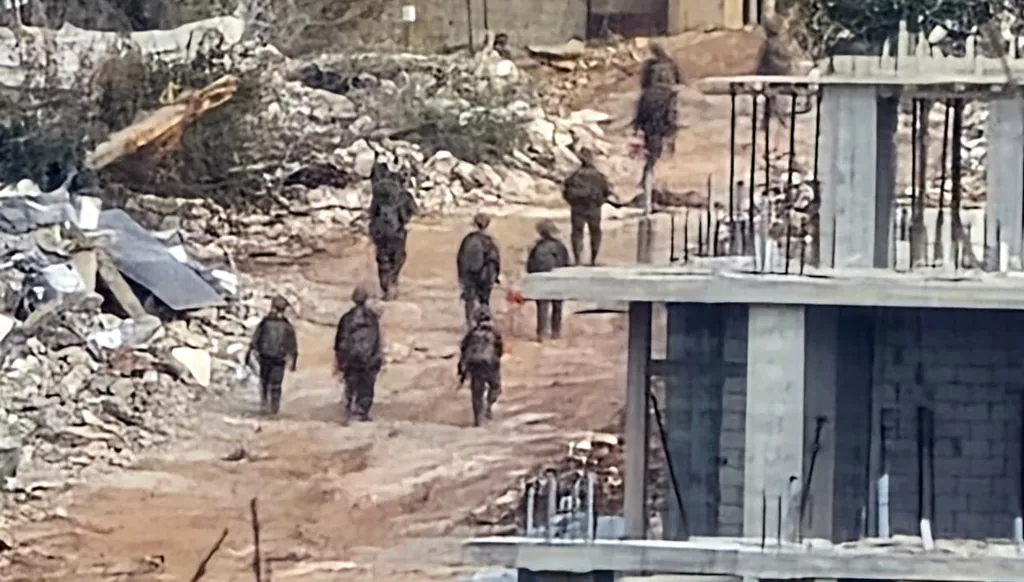
As consultations continue over the format of the international force, Israel is pressing ahead with its escalation and military buildup in the south, while threatening to launch a war against Hezbollah if it carries out military operations. Meanwhile, US-sponsored negotiations remain suspended until further notice. Even if a new government is formed, Israel is raising the bar on its demands. First, it refuses to withdraw from the occupied south, instead entrenching a buffer zone and continuing its demolitions and land-clearing operations. It also insists on coordinating with the Lebanese Army in the areas subject to trial arrangements, accusing the army of facilitating Hezbollah's efforts to rebuild its capabilities and transfer weapons. Its demands converge with those of the Americans regarding measures north of the Litani River.
The Lebanese state is also facing escalation from Hezbollah, which is turning its focus inward and consolidating its position while rebuilding its capabilities. The party rejects the framework agreement and the formation of any international force under its terms. According to reports, it has informed all concerned parties that it will regard the deployment of any forces, regardless of their size or mission, under the tripartite framework as an occupying force. Meanwhile, it remains committed to what it considers a ceasefire resulting from the Islamabad Agreement, aligning itself with Iran's position in confronting Israel.
However, Hezbollah's shift toward the domestic front, its refusal to discuss the issue of its weapons or comply with state and judicial decisions, and the possibility of escalation in the streets all carry serious risks amid Lebanon's divisions and disagreements over the available options. This could lead to a major internal conflict.
Diplomatic sources indicate that the new framework for the international forces and developments in the south, in connection with the regional situation, will determine whether events move toward escalation. The side that prevails in the Iranian-American confrontation will impose new realities in Lebanon. If the regional situation remains unchanged, this too will be reflected in domestic instability as tensions between the state and Hezbollah intensify.
Lebanon's domestic situation is entering a critical phase, as international pressure continues through successive messages that still carry warnings. These messages have once again stressed the need for the state to accelerate implementation of the decision to place all weapons under state control and prevent Hezbollah from becoming involved in any regional escalation. If the state fails to demonstrate its ability to enforce its own decisions and secure an Israeli withdrawal from the occupied south, the domestic crisis could deepen, making escalation inevitable and posing serious risks to the country's future.