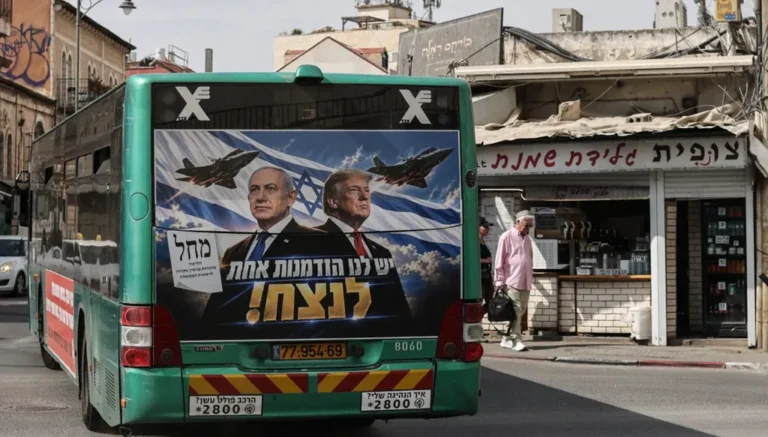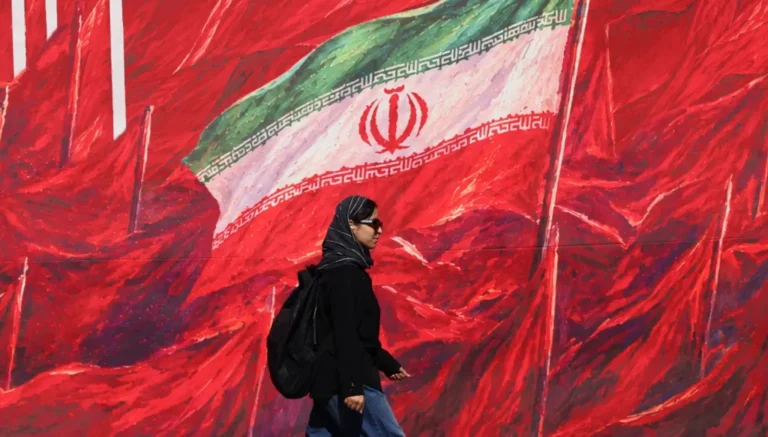
All indicators suggest that war on the Iranian front is imminent, with its outbreak appearing to be only a matter of time amid stalled negotiations, escalating tensions and threats from U.S. President Donald Trump. Washington is also attempting to draw other countries into the conflict, despite warnings from regional officials about the dangers of a war that would not resolve the situation but instead plunge the region into chaos.
No one can predict the extent or scale of the war, or whether its objective would be to topple the Iranian regime or force Tehran to return to the negotiating table under new conditions. Lebanon is particularly concerned about the possibility that Hezbollah could support Iran as part of the axis forces, having received international messages warning against involvement in the confrontation. The need to address Hezbollah’s arms issue promptly and take decisive measures regarding explosives has also been emphasized, before these become a pretext for a possible Israeli war.
Reports indicate that Lebanon faces a difficult period in the coming month, with attention focused on southern Lebanon, Hezbollah’s potential decisions if a regional war breaks out, and whether Israel will launch an attack on the south. This comes after the failure of the Tampa military negotiations to achieve de-escalation, despite Washington’s insistence on continuing technical military meetings amid the tensions. Washington remains committed to maintaining the framework agreement as a mechanism for regulating relations and paving the way for security arrangements and an agreement to end the conflict, alongside Hezbollah’s disarmament.
Lebanon has been informed by Washington that progress in negotiations is conditional on disarming Hezbollah and reaching understandings with Israel. Washington has warned the Lebanese state against failing to take measures against the group. For the Americans, as well as European and Arab countries, the issue of Hezbollah’s weapons can no longer remain ambiguous: they must be eliminated entirely, while pressure must be exerted to prevent any operations against Israel.
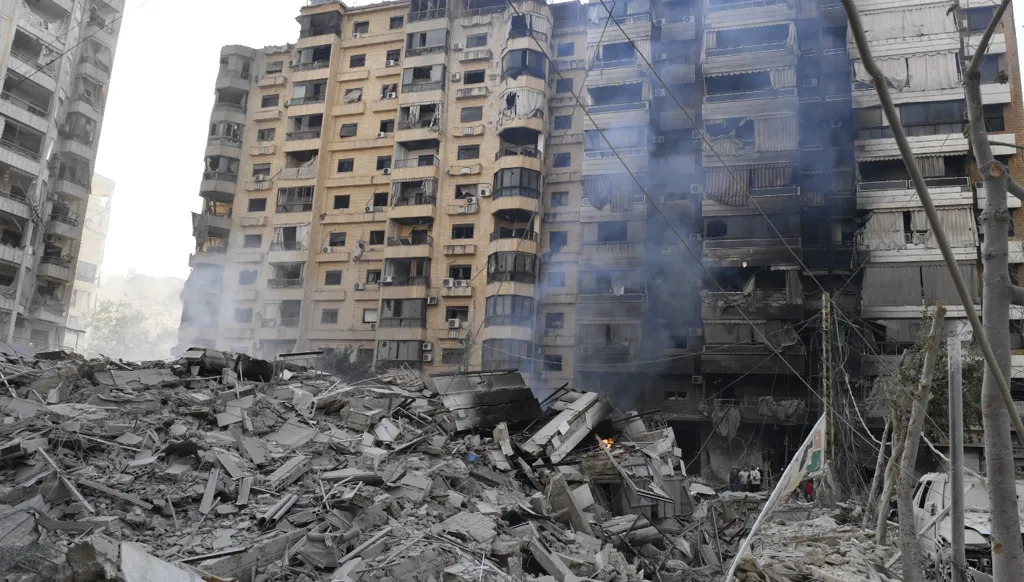
According to diplomatic sources, Israel is waiting for any military movement by Hezbollah, or even the transfer of explosives monitored by drones, to launch a broad and devastating war against Lebanon. Such a war would spare neither the southern suburbs of Beirut nor the capital itself, and could result in the occupation of southern areas extending as far as the Awali River.
The current danger lies not only in Israel’s threats and its eagerness for Hezbollah to initiate an operation that would justify major strikes against it, but also in Hezbollah’s decision to confront the state on all issues concerning the south. The group continues to insist on retaining its weapons and has declared that it will enhance its combat capabilities in preparation for confrontation. It maintains that no outside entity can impose decisions to halt its resistance operations.
This position persists despite the deadlock between Hezbollah and the state over explosives, as well as mounting pressure on Lebanon to fulfill its obligations regarding weapons. Meanwhile, there have been no initiatives for dialogue or efforts to establish a unified national position to confront regional threats. Information suggests that Hezbollah, acting under a firm Iranian directive, refuses to surrender its weapons, indicating that Lebanon’s front remains ready to support Iran and effectively leaving the country entirely exposed to the regional conflict.
International warnings point to a dangerous month ahead for Lebanon, given the limited progress on the Lebanese file amid regional developments and the growing prospects of war. Even if potential solutions avert war on the Iranian front, the situation in Lebanon could remain unchanged for an extended period because of the Israeli occupation, stalled negotiations and domestic political deadlock.
The issue is also linked to the outcomes of the Israeli and American elections and whether Washington will continue pursuing the Lebanese file without succeeding in disarming Hezbollah, or instead leave it to Israel’s open ambitions for expansion and occupation.
Disclaimer: The opinions expressed by the writers are their own and do not necessarily represent the views of Annahar.