Crises in Lebanon are worsening amid internal political deadlock, leaving the country vulnerable to regional storms. The Iranian-American conflict could suddenly erupt into full-scale war, inevitably affecting the Lebanese situation. Even if negotiations advance and a settlement is reached, Lebanon will not be shielded from its repercussions, given the entrenched disagreements among Lebanese and their alignment around choices that increase the risk of confrontation. Meanwhile, Hezbollah continues to stake its position on the Iranian path, deepening the state's dilemma and weakening its stance ahead of crucial challenges.
The party appears little concerned about what might happen to the south after the UNIFIL mission ends, potentially creating a security vacuum that could place the Lebanese army under pressure and siege. Relying on Iran's position, which includes Lebanon in the terms of a settlement with the Americans, it attacks the state, accusing it of succumbing to American dictates and accepting a framework agreement that, according to its narrative, gives Israel everything. It accuses the state of besieging and uprooting the resistance environment.
Thus, the party chooses to attack to protect its weapons, bypassing its responsibility for dragging the occupation into Lebanon and pushing the state into direct negotiations with Israel, after closing all doors to discussion or dialogue aimed at freeing the country from external dependency, forming a unified national stance against the Israeli occupation under the state's banner, and shielding Lebanon from the potential repercussions of a regional war or being dragged into one.
There may be numerous remarks and criticisms of the framework agreement, as Lebanon today is neither fortified nor capable of imposing an Israeli withdrawal due to the imbalance of power. Meanwhile, "Hezbollah" continues to openly rebuild its capabilities and refuses to discuss restrictions on its weapons, challenging government decisions. Nonetheless, this does not justify attacking the state and threatening to ignite the streets, after the party contributed to provoking the occupation and embroiling Lebanon in war by supporting Iran and, before that, Gaza.
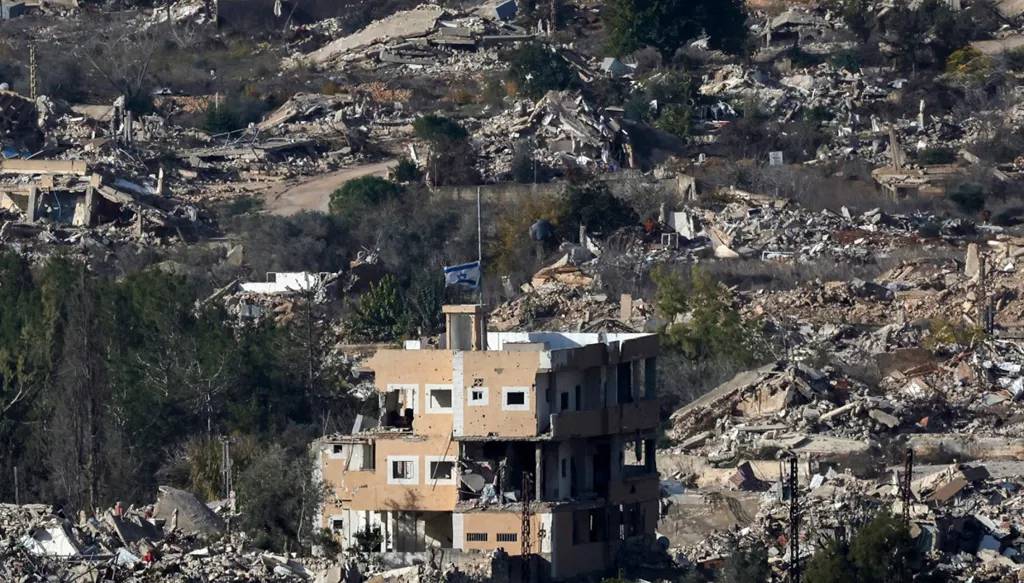
The party continues to provide excuses for Israel, which threatens daily to wage war on Lebanon and seize more land. How does it justify its slogans, drawn from the era of support, as if nothing had happened since October 8, 2023, knowing that Israel will not allow the southern Lebanese region to return to its pre-"Deluge of Al-Aqsa" conditions, after occupying more than 650 km² and establishing a buffer security zone that Lebanese may have to wait years to reclaim?
The Lebanese state faces significant pressure to adhere to its commitments to withdraw weaponry, with Washington insisting on resolving this matter swiftly and threatening sanctions that could target new individuals and entities. Otherwise, the country could remain hostage to ongoing Israeli operations amid international disagreements over the alternative force to "UNIFIL."
Meanwhile, "Hezbollah" is waving the threat of igniting internal conflict in Lebanon and threatening the state with responses to any measures against the transportation of explosives or the movement of its members in distant areas beyond its supportive environment, posing a risk to civil peace and pushing matters towards internal confrontation.
Undoubtedly, the upcoming period will be critical for Lebanon. As the international decision that Washington insists must be based on the framework agreement awaits issuance, and as it seeks to keep the Lebanese file separate from Iran, concerns are growing over escalating pressure on the state and the army to withdraw weapons, especially if the Iranian path persists as it is.
If the party fails to initiate a settlement with the state, continues to confront it while rejecting the formation of any alternative international force, and does not oppose the Israeli occupation, Lebanon will face additional threats, pressure, and Israeli military operations.
"Hezbollah" cannot return to its previous dominance within the state, nor can it triumph internally with weapons that expelled Israel. It is the primary domestic party among Lebanese internal factions responsible for reviewing its policies and escaping the circle of delusions and regional bets on reclaiming its strength and deterrence, avoiding wars that destroy the south, displace its environment, and eliminate Lebanon.
Disclaimer: The opinions expressed by the writers are their own and do not necessarily represent the views of Annahar.