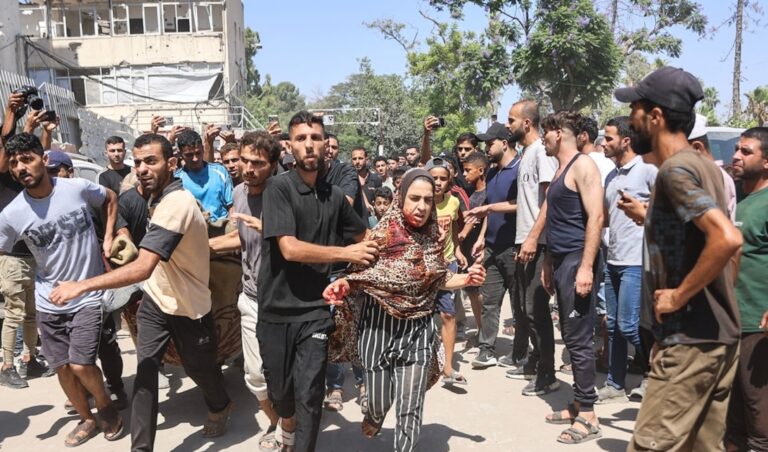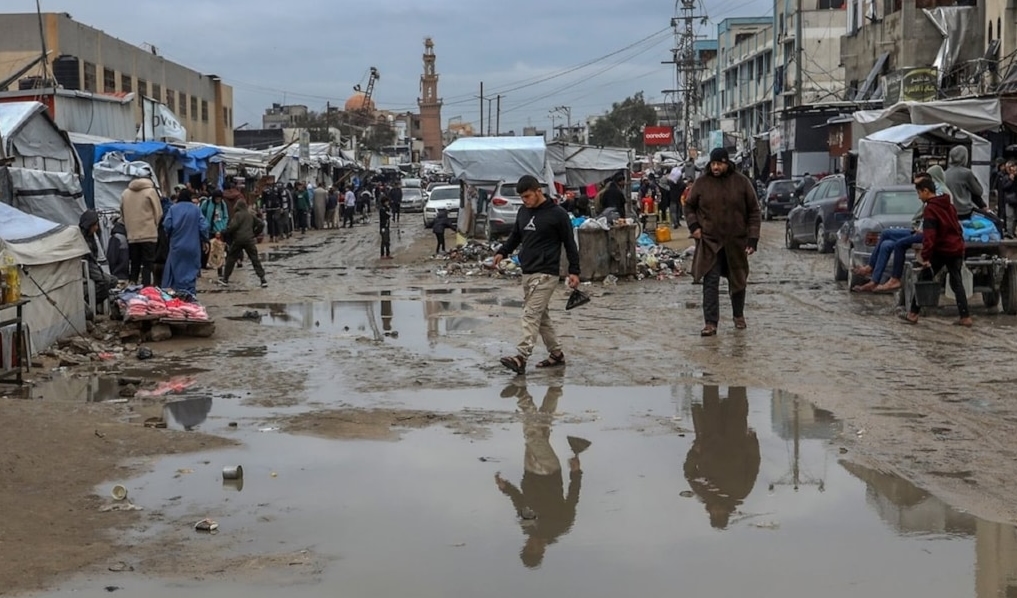
The scale of Israeli intelligence surveillance over the Gaza Strip suggests preparations for a military or security operation beyond the daily pattern of targeted killings. Various types of warplanes and drones are covering Gaza’s skies, while western Gaza City is seeing particularly intensive intelligence activity. This comes alongside reports by Israel’s Kan that the Israeli military has deployed forces on the Lebanon, Gaza, West Bank and Syria fronts and ordered them to prepare for preventive operations. The heightened surveillance coincides with intensified strikes, targeted killings and indiscriminate fire against homes and shelters, particularly in eastern areas near the yellow line. Over the past three days, Israeli vehicles and bulldozers advanced in Al-Joulani area of Gaza City’s Al-Tuffah neighborhood, carrying out digging and earthmoving under heavy fire. The Israeli military also carried out a major demolition operation in the city’s eastern neighborhoods. Eight drone strikes targeting groups of civilians or civilian vehicles were recorded across Gaza, killing several people, including Basir Al-Barsh, the son of the Health Ministry’s director general of hospitals. The escalation has coincided with Israeli claims of three unusual incidents near the yellow line east of Gaza City. Israel said a powerful explosive device was detonated near a force working with local collaborators that had entered the area to survey and secure a building east of the line. In another incident, an individual allegedly infiltrated an Israeli military position about 800 meters from the yellow line and reached a guard post while conducting reconnaissance of newly established military sites. He then returned to Hamas-controlled territory without being detained or shot. Alleged incidents are being used to create a pretext for stepped-up attacks, particularly as Israel’s coalition seeks to sustain the escalation amid domestic political pressure ahead of elections. Israeli media also recently reported that an armed Palestinian crossed the yellow line and approached within 100 meters of an Israeli military position before soldiers detected him and opened fire. He reportedly returned to western Gaza without being wounded. The pattern is notable. Following Israeli announcements of such incidents, bombardment and incursions near the yellow line have intensified. Alleged incidents are being used to create a pretext for stepped-up attacks, particularly as Israel’s coalition seeks to sustain the escalation amid domestic political pressure ahead of elections. Against this backdrop, Hamas political bureau chief Khalil Al-Hayya has held intensive contacts with mediators. He warned of worsening humanitarian conditions as winter approaches, particularly as Israel continues to block heavy equipment needed to clear rubble and secure buildings at risk of collapse. Israel is also restricting the entry of caravans, tents and supplies needed to protect civilians from cold and rain, leaving tens of thousands in unsafe shelters. Al-Hayya called on mediators and other parties to continue pressing Israel to honor the agreement, particularly the commitments under the first phase, including an end to attacks and targeted killings and the immediate entry of humanitarian and relief supplies. This is an edited translation for a report published in Arabic.