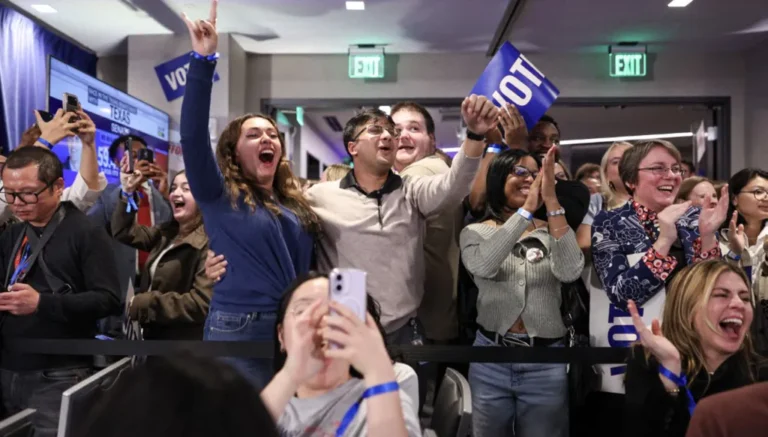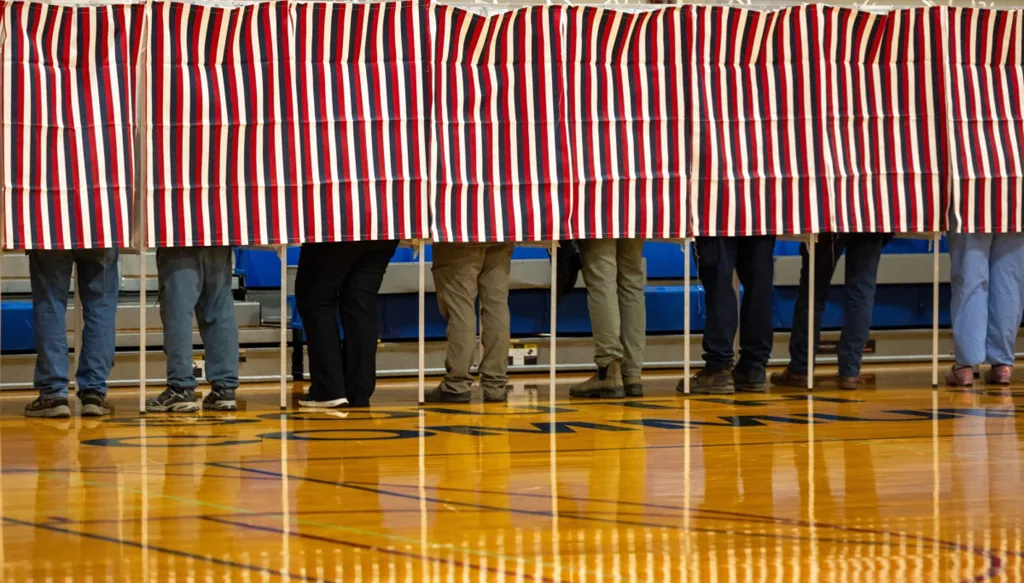
Lebanon’s political circles are following the US midterm elections with keen interest, given the potential impact of their results on the domestic political landscape, particularly amid the Trump administration’s extensive involvement in Lebanese affairs. This includes its sponsorship of direct negotiations between Lebanon and Israel and the resulting framework agreement, as well as Washington’s veto of any proposal to extend the mandate of the UN Interim Force in Lebanon (UNIFIL) in the south or establish an alternative force to fill the resulting vacuum.
All this makes Lebanon an arena largely shaped by US, Israeli and Iranian calculations, raising the question of whether a shift in the balance of power, should it materialise as polls and forecasts within Congress suggest, will lead to a change in Washington’s approach towards Lebanon, or whether policy will remain governed by the Trump administration’s established positions.
From a constitutional standpoint, a Republican loss of the majority in the House of Representatives or the Senate, as currently appears likely, would not mean that Trump loses his authority to conduct foreign policy. The president remains the executive decision-maker on negotiations, international relations and national security. However, if Democrats secure a majority in either or both chambers, they will gain significant tools for oversight and accountability, investigating the administration’s performance and controlling a substantial portion of government budgets and financial appropriations. According to an analysis by Chatham House, the impact of the elections may not be immediately apparent in terms of changes to US policy, but they could shape a different approach in the period ahead.
For Lebanon, which has been awaiting the elections for months and has been experiencing political stagnation and uncertainty as a result, three issues stand out in determining the future of Washington’s approach and whether it will maintain its current momentum or be reassessed: support for the Lebanese Army, the position on Hezbollah and its weapons, and the future of aid and reconstruction.
As for the Lebanese Army, Congress may subject military assistance to greater scrutiny, examining the nature of the aid, the conditions governing its use, and the extent to which it is linked to the military institution’s ability to implement government decisions and extend state authority. This is unlikely to change under either a Republican or Democratic administration, as the position on the army remains the same. It is worth noting, however, that if a Democratic majority emerges, calls may grow for linking US support to tangible results on the ground, particularly with regard to restricting weapons to state control and the army’s deployment in the south.
As for Hezbollah, a change in the congressional majority is not expected to bring about a shift in US policy. Washington’s position on the group and the sanctions imposed on it transcend traditional party divisions. However, differences may emerge over the means of dealing with Lebanon, with one approach favouring tighter sanctions and financial pressure, and another allocating greater room for supporting legitimate institutions and political and economic stability, as was the case under the administrations of Presidents Barack Obama and Joe Biden.
This aspect takes on added significance in light of a bill introduced last August by Democratic Senator Jeanne Shaheen, jointly with Republican Senator James Lankford, entitled the "Supporting Stability in Lebanon through Accountability and Assistance Act". The bill aims to support the rule of law and democratic institutions in Lebanon. It remains before the Senate Foreign Relations Committee and has not yet become law.
The greatest impact on Lebanon may not come directly through any changes in Washington’s policy towards Israel and Iran. The rise of a more critical Democratic faction towards Israeli policies could lead to greater scrutiny of military aid to Israel and increased calls for the Israeli government to be held accountable for its military operations. This could affect the degree of flexibility Washington has in responding to Israeli attacks on Lebanon and in setting the terms of any agreement or settlement. However, the collapse of the framework agreement or an end to direct US sponsorship of the negotiations remains unlikely.
Conversely, Republican control of both chambers would give Trump greater room to continue his regional policy, including confrontation with Iran and support for Israel.
Under either scenario, Lebanon will also face a domestic test, as it should not make its choices contingent on the outcome of the US elections. Whether Congress remains under Republican control or one of its chambers passes into Democratic hands, Washington will continue to view Lebanon through the lens of its security and regional interests, its relationship with Iran and Israel, and the ability of its institutions to assert state sovereignty.
More importantly, any shift in the US political climate will not, on its own, be enough to produce a different policy towards Lebanon unless it is matched by clear Lebanese steps to implement government decisions, strengthen the army’s role and rebuild international confidence. This leads to the conclusion that the election results may do less to change the direction of US policy towards Lebanon than to alter the tools used to implement it, the level of oversight it faces and the extent of the accompanying pressure.
Disclaimer: The opinions expressed by the writers are their own and do not necessarily represent the views of Annahar