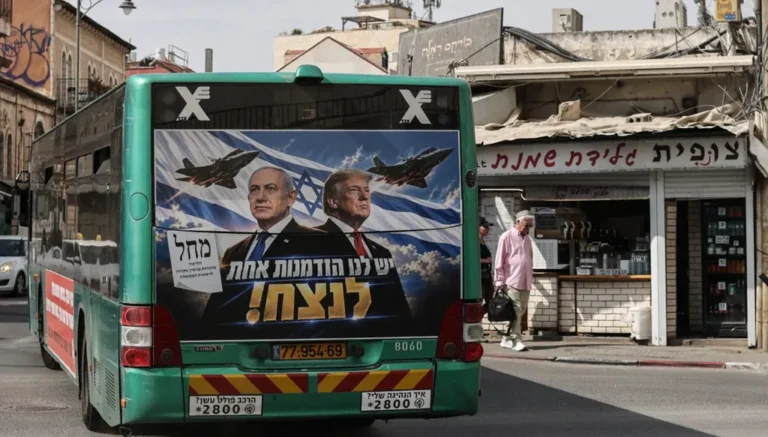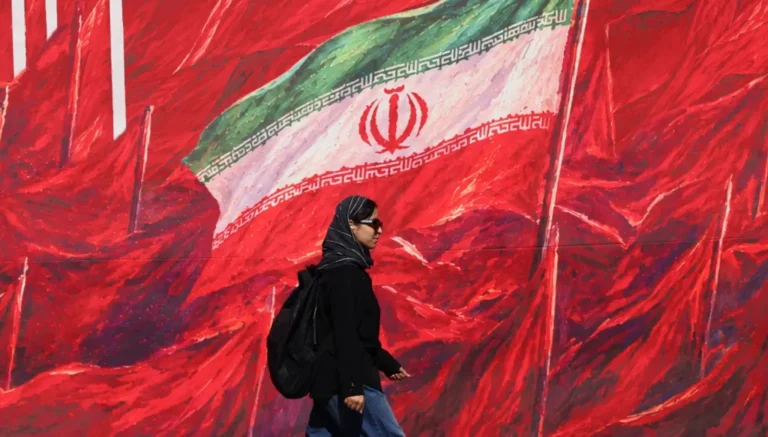
It has become clear that Hezbollah has yet to come to terms with the major changes affecting its support base, not only in Lebanon but also in Syria, Iraq, and even Iran. This is evident in its continued refusal to commit to staying out of another war in support of Iran should Tehran face renewed US-Israeli military operations. Statements by several Hezbollah officials reveal a clear contradiction between what is discussed behind closed doors and what is publicly declared.
According to reports surrounding a meeting between the Qatari prime minister and Mohammad Raad, head of Hezbollah's Loyalty to the Resistance parliamentary bloc, Iranian Deputy Foreign Minister Saeed Khatibzadeh informed Lebanon's two main Shiite parties, as well as Lebanese officials, during his visit to Beirut that Tehran had regrouped its forces and was capable of confronting threats and aggression on its own.
Accordingly, there would be no need for renewed Hezbollah support that could drag Lebanon, and the Shiite community in particular, into an open-ended war.
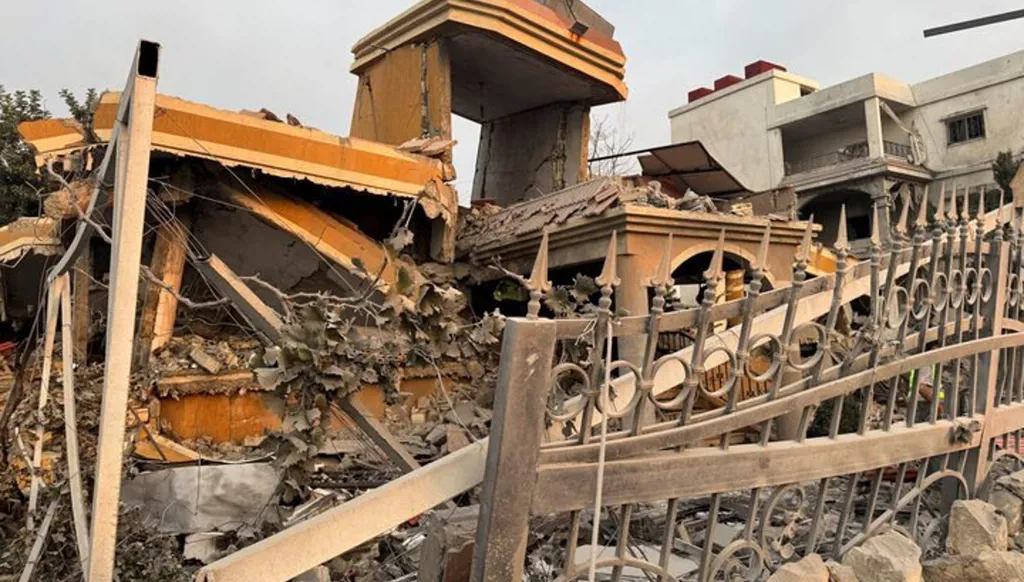
Two factors make such involvement particularly undesirable. The first is growing frustration and concern within Lebanon's Shiite community over the prospect of being drawn into another war that could extend to Beirut's southern suburbs, in addition to southern Lebanon.
The second is Parliament Speaker Nabih Berri's explicit declaration that he does not support Hezbollah's involvement in previous wars of support, which destroyed villages and displaced their residents.
These concerns come amid mounting pressure on Lebanon that could lead to Hezbollah being implicated and condemned, its officials being pursued, and potentially even calls for the party's dissolution and the removal of its political legitimacy, beyond its security and military activities.
Iran is aware of Hezbollah's declining strength in Lebanon, the reduction in its supply lines, and the internal and external pressures surrounding it. Tehran's leadership is therefore seeking to stabilize the group's position and help it reorganize.
For this reason, Saeed Khatibzadeh reportedly informed Hezbollah and other concerned parties that there was no need for its involvement in a US-led war expected to last only a few days. Tehran believes it could withstand such an operation and that the confrontation might even serve as a catalyst for negotiations potentially leading to an agreement.
But what if the war escalates and threatens the Iranian regime? Would Hezbollah remain on the sidelines? Would it intervene again? Or would it prioritize its own survival?
The group has no clear answers to these questions and therefore prefers to avoid making any commitments. This reinforces the view that the real decision-making power extends beyond Lebanon's borders and the independent will of Hezbollah's local leadership.
However, according to preliminary indications conveyed by the Qatari official to several parties in Lebanon and abroad, following his deliberate decision to meet with Raad before holding talks with Lebanese officials, Hezbollah would initially remain on the sidelines.
This would not necessarily reflect weakness or an unwillingness to provide support, but rather compliance with the wishes of Iran's Islamic Revolutionary Guard Corps (IRGC).
With the operation against Iran expected to end within days, Lebanon could remain insulated from the conflict. This prospect has offered Lebanese officials some reassurance, although they remain cautious about relying entirely on these assessments.
But would Lebanon truly remain outside the conflict if war breaks out? There is no definitive answer.
Israel could potentially mobilize a faction or a group cooperating with it to launch a rocket or drone toward its forces, creating an incident that could serve as a pretext for military action, particularly if Israeli leaders viewed a war in Lebanon as a way out of a domestic political predicament.
Meanwhile, reports suggest that Tehran has warned of retaliation if Beirut's southern suburbs are targeted again. In such a scenario, Israel could succeed in drawing Iran directly into the battlefield, potentially triggering another expansion of the conflict.
Several scenarios remain possible, and their direction may become clearer in the coming days, which could bring unexpected developments.
Disclaimer: The opinions expressed by the writers are their own and do not necessarily represent the views of Annahar.