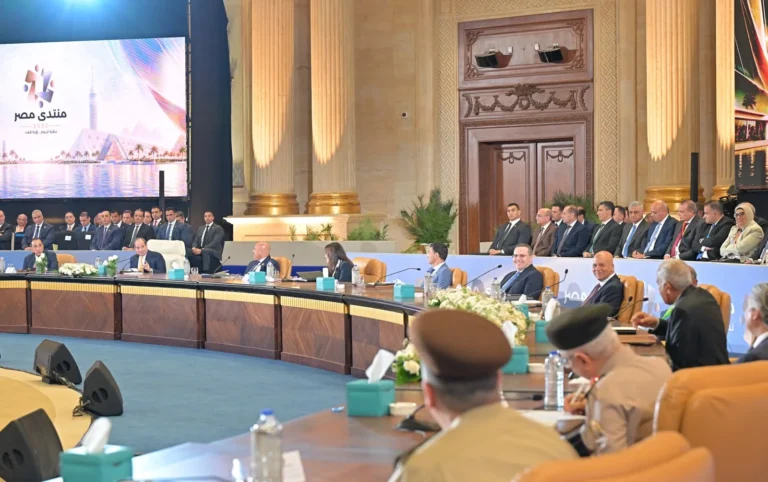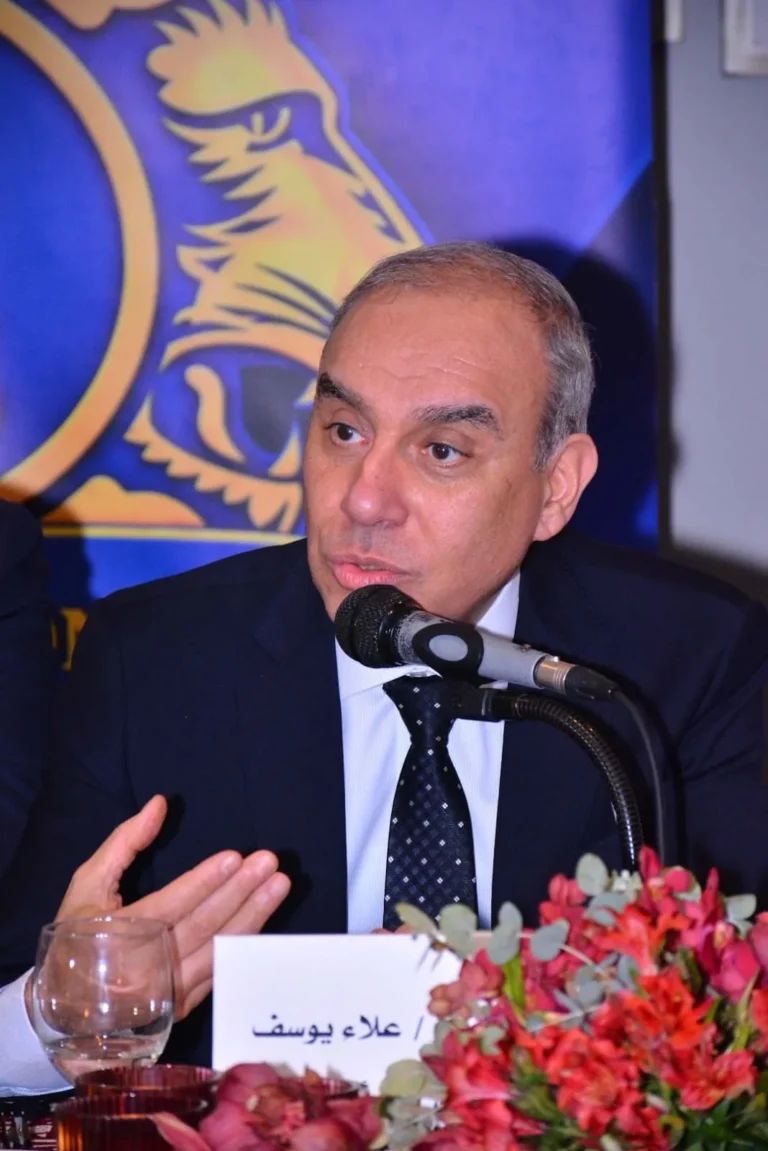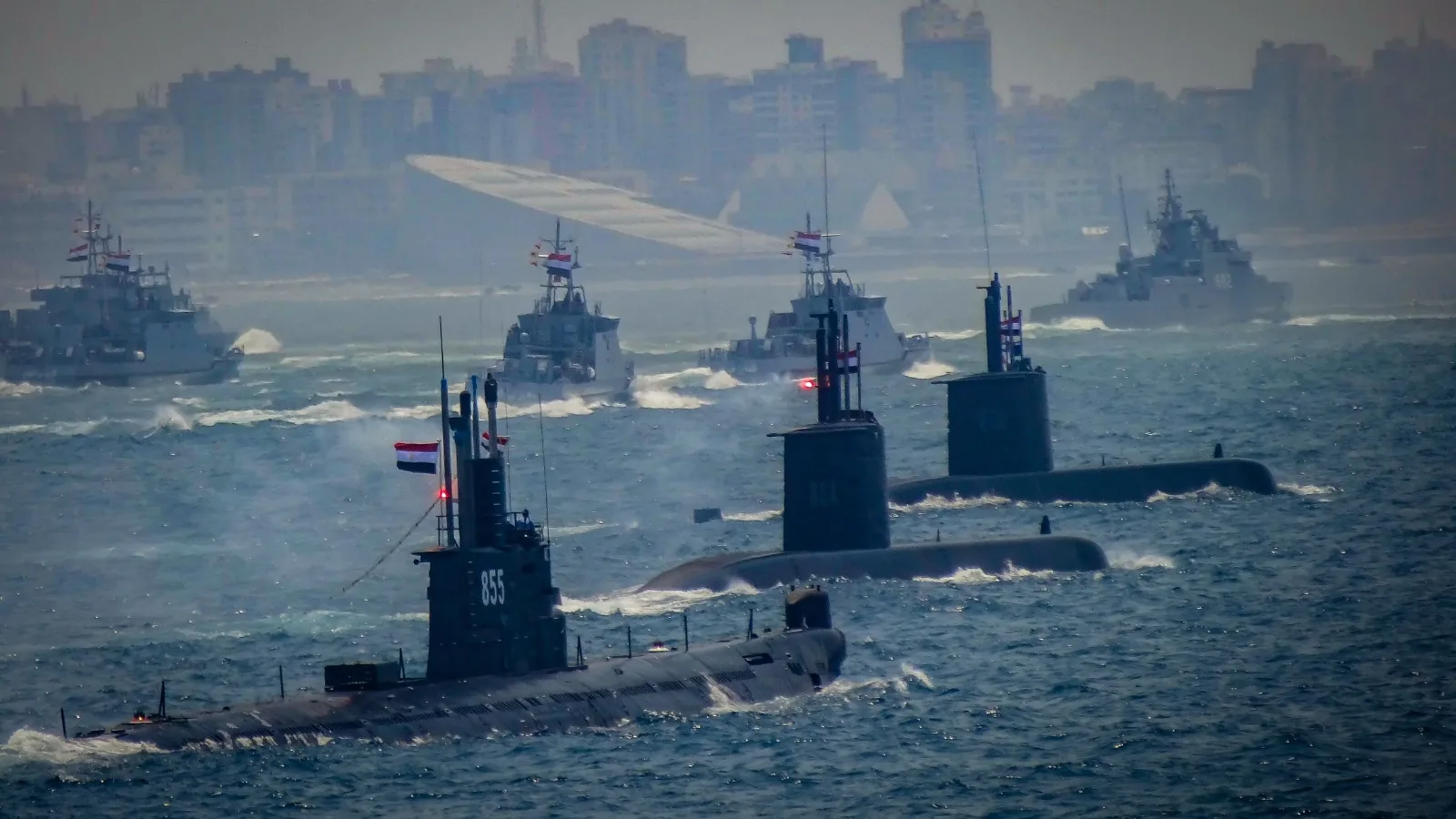
Egyptian Navy Commander Vice Admiral Mahmoud Adel Fawzi has highlighted the navy’s proud history and vital role in safeguarding Egypt’s national security, while outlining ongoing efforts to modernise its capabilities, expand local manufacturing and transfer advanced technology. Speaking at a press conference marking the 59th anniversary of the Egyptian Navy, Fawzi reviewed its operational priorities, strategic importance and preparations to address the challenges of modern naval warfare. The 21 October Battle Fawzi said 21 October was chosen as Navy Day to commemorate the sinking of the Israeli destroyer Eilat on 21 October 1967. The vessel, one of Israel’s largest naval units at the time, was sunk by Egyptian Komar-class missile boats using four surface-to-surface missiles. He described the operation as a historic turning point that transformed naval warfare concepts worldwide. Responding to Israeli media reports in 1999 that questioned the incident, Fawzi said a specialised Egyptian naval unit had searched off Port Said for more than a month before discovering the wreck and recovering ammunition and fragments bearing Hebrew inscriptions. The findings, he said, conclusively confirmed the account. Protecting Economic Interests Fawzi described Egypt’s maritime domain as a strategic depth and a key dimension of national security, given the country’s geographical position, its coastlines along the Mediterranean and Red seas, and its control of vital waterways, including the Suez Canal. He outlined the navy’s role in protecting economic interests, securing shipping lanes and vital installations, and maintaining deterrence. He also highlighted naval diplomacy as an instrument of foreign policy, pointing to Egypt’s participation in joint exercises, including the September 2026 Medusa 15 exercise in Greece involving naval vessels and submarines. Further exercises are planned with friendly and allied countries, including Türkiye, France and Russia. Securing Strategic Shipping Routes Fawzi stressed the strategic importance of the Red Sea and the Suez Canal to global trade and container shipping, as well as Egypt’s role in hosting vital international internet and data cables across its territory and waters. He said the navy maintained a round-the-clock presence to secure economic zones, ports and maritime routes, protecting national assets amid regional and international conflicts and military deployments that threaten strategic chokepoints and the flow of global commerce. Personnel and Modern Naval Warfare Asked what determines the superiority of one navy over another when weapons and equipment are comparable, Fawzi said the combat doctrine of individual personnel and the quality of training were the decisive factors. He described naval personnel as the force’s most valuable asset, explaining that they receive specialised training at the Egyptian Military Academy and the Non-Commissioned Officers Institute to prepare them to operate modern technologies. Training progresses from individual combat skills to large-scale naval formations, with further experience gained through joint and passage exercises. Strategic Leadership Fawzi welcomed the opening of Egypt’s Strategic Command headquarters in July 2026, describing it as a major step towards integrating the armed forces with government ministries and state institutions in crisis management. This, he said, would accelerate decision-making and improve the effectiveness of naval operations within the wider joint-operations framework. On irregular migration, he said no attempts to cross Egypt’s maritime borders illegally had been recorded since 2016, thanks to the efforts of state institutions, a development widely praised by the European Union. At the same time, the Egyptian Navy continues to conduct humanitarian operations to detect and rescue irregular migrants within Egypt’s Mediterranean search-and-rescue zone amid instability in some countries in the region. Local Manufacturing Fawzi said lessons drawn from contemporary conflicts, which have seen extensive use of aerial and naval drones, had prompted the Egyptian Navy to pursue a strategy of expanding the fully local production and deployment of maritime drones for reconnaissance, surveillance and port security. The initiative involves co-operation with the ministries of higher education and industry, as well as the Federation of Egyptian Industries. He concluded by reaffirming the navy’s commitment to the political leadership’s vision of developing domestic naval industries, transferring technology and reducing reliance on imports to save foreign currency. He highlighted the local construction of Gowind- and MEKO-class frigates in co-operation with French and German partners, the full domestic manufacture and development of Rafale-class combat rigid inflatable boats at naval shipyards, and the production of patrol and surveillance boats and tugboats. The post Egyptian Navy marks 59 years of strength, strategic development appeared first on Egyptian Gazette.