As UNIFIL's mandate nears its end, Lebanon faces growing pressure to secure a replacement force while balancing US security leadership, Resolution 1701, and shifting regional dynamics.
With the signing of the framework agreement between Lebanon, Israel, and the United States, a new security reference for southern Lebanon has emerged—one that is becoming increasingly difficult to bypass.
As discussions continue over the possibility of European forces replacing UNIFIL in the south, the key question is whether these forces would operate under the U.S.-led framework agreement or whether they would be willing to accept such a security reference.
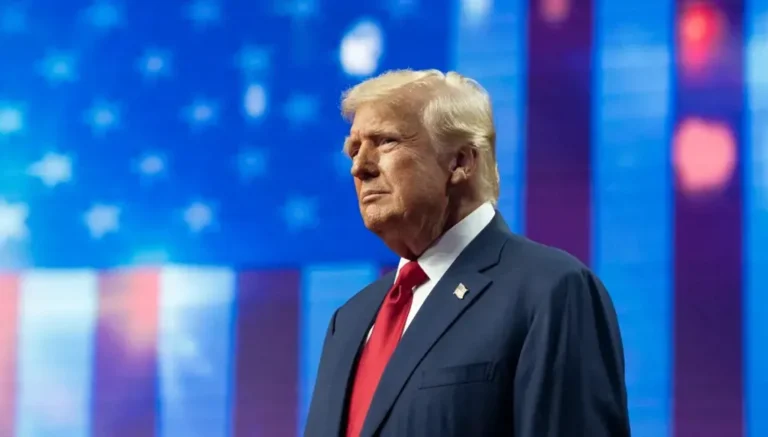
Lebanon needs a force to replace UNIFIL and support the Lebanese Army along the border with Israel. An initiative by 86 MPs, who sent a message to the United Nations on the matter independently of any government request, reflects this reality. Although it was reported that President Joseph Aoun raised the issue with U.S. President Donald Trump, stressing Lebanon's need for UNIFIL to remain for another four years until 2030, there was no clear American response. Instead, Washington has remained firm on ending the international force's mission in southern Lebanon.
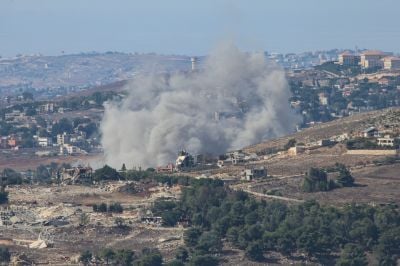
The Israeli war on Lebanon also exposed major shortcomings in UNIFIL's performance, particularly regarding tunnels discovered even within its areas of operation, weakening the international argument for its continued presence. Israel and the United States also appear increasingly unwilling to maintain a UN force accountable to the 15 members of the Security Council.
Last year, Washington accelerated plans for UNIFIL's withdrawal, which was initially expected to begin last September, arguing that Lebanon's election of a new president and formation of a new government marked the beginning of a new phase. Lebanon, however, worked to avoid losing international support during a transitional period in which it needed time to stabilize and move forward.
The United States appears to favor a force that reports directly to it, perhaps similar to the mechanism it established for Gaza, while Israel may prefer entirely different arrangements that run counter to Lebanon's interests and provide it with greater freedom of action without being subject to UN oversight.
One of the major shortcomings of the framework agreement was the omission of UN Security Council Resolution 1701 from its text. For Lebanon, the resolution remains a multi-layered point of reference, reaffirming the country's recognised borders, reinforcing state sovereignty, restoring exclusive authority over all Lebanese territory, and preserving the role of the United Nations, which Lebanon still considers essential even as its reliance on the United States has grown.
On one hand, the United Nations is tasked with exploring alternatives to the international force in southern Lebanon to help implement Resolution 1701. On the other, France—Lebanon's longstanding partner and the Security Council's penholder on Lebanon—could provide support, particularly as it has moved quickly to present alternatives regarding UNIFIL, despite the apparent preference of both the United States and Israel to exclude it from security matters, as well as to limit the role of other countries in this field.
According to information about the meeting between Presidents Aoun and Trump, security matters remain exclusively under U.S. leadership, unlike other areas where Washington is open to broader international involvement.
As UNIFIL's mandate approaches its scheduled expiration at the end of this year, Lebanon faces mounting pressure to establish a path toward positive developments in the south that would allow viable alternatives to the force to emerge. This pressure comes as the success of the pilot areas—and the possibility of extending them to other towns and villages in southern Lebanon—remains uncertain.
At the same time, Israeli Prime Minister Benjamin Netanyahu stated, on the eve of his visit to the United States for another meeting with President Trump, that "we will remain in security areas in Lebanon, Syria, and Gaza and reject any American pressure to withdraw from them." His remarks draw a clear line, at least until Israel's elections in November, with significant implications for Lebanon.
One option that could potentially emerge is for Lebanon to seek the continuation of UNIFIL with authorities that fall somewhere between Chapter VI and Chapter VII of the UN Charter—not fully under Chapter VII, which "Hezbollah" would likely reject, but under what has been described as "Chapter Six and a Half," granting the replacement force stronger operational capabilities while adjusting its chain of command to operate exclusively under American leadership, thereby reinforcing U.S. control over the security file.
Disclaimer: The opinions expressed by the writers are their own and do not necessarily represent the views of Annahar.
Thank you for subscribing to our newsletter