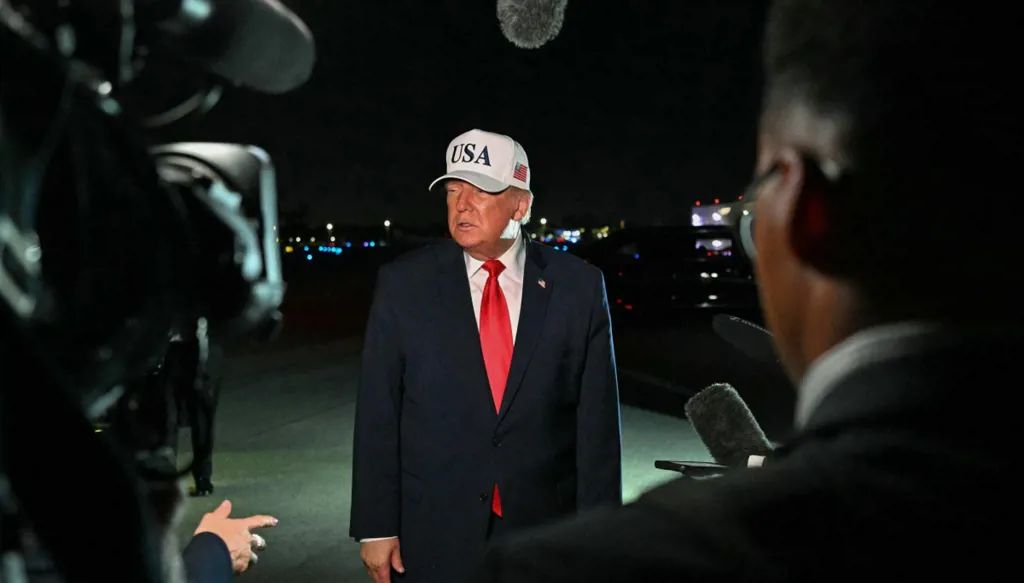
Two days after the crushing defeat of the Republican Party in the midterm elections, President Donald Trump appointed Stephen Miller, considered one of his most loyal supporters, as White House Chief of Staff. Miller previously oversaw controversial mass deportations of immigrants. His appointment, as Democrats sweep Congress, indicates that Trump is preparing for confrontation rather than conciliating with the new political reality created by last Tuesday's elections.
Most forecasts suggest that the new Congress, which officially begins its duties in less than two months, will inevitably clash with Trump over his domestic and foreign policies. Trump therefore has two months to determine his options regarding Iran, the most complex issue that contributed to the blue wave in the elections. New information emerges daily about more than one warning issued by Vice President J.D. Vance regarding the impact of the war on voter choices.
Following the elections, Trump faces pressure to decide which approach he will adopt to end the war. Should he resume strikes, lean towards a political settlement, or maintain the status quo, with neither war nor peace?
Trump's recent statements suggest that, despite ongoing military build-ups in the Middle East, he is not closing the door to negotiations. He stated: "We are dealing with them now. They are very keen to make a deal." At the same time, he defended the war, saying: "Had we not struck Iran, Israel would not be here today."
If saying one thing and its opposite is a hallmark of Trump’s rhetoric, he is also leveraging ongoing military reinforcements to pressure Iran to show flexibility and engage with mediators, who have now been joined by Russia following the visit to Moscow by Iranian Supreme National Security Council Secretary Mohsen Rezaei and his meeting with President Vladimir Putin.
The announcement by the U.S. Central Command on Saturday of the formation of a new task force under the code name "Iron Gate," aimed at preventing the transfer of sophisticated weapons and technologies across Iran’s land borders and via the Caspian Sea, indicates Washington’s increased efforts to tighten the blockade.
In addition, American C-17 transport aircraft have made regular flights to the region recently. This type of aircraft can carry heavy weapons with a payload of up to 77 tons. The U.S. State Department also announced a reward of $20 million, with the possibility of providing an alternate residence, in exchange for information about the Iranian nuclear program.
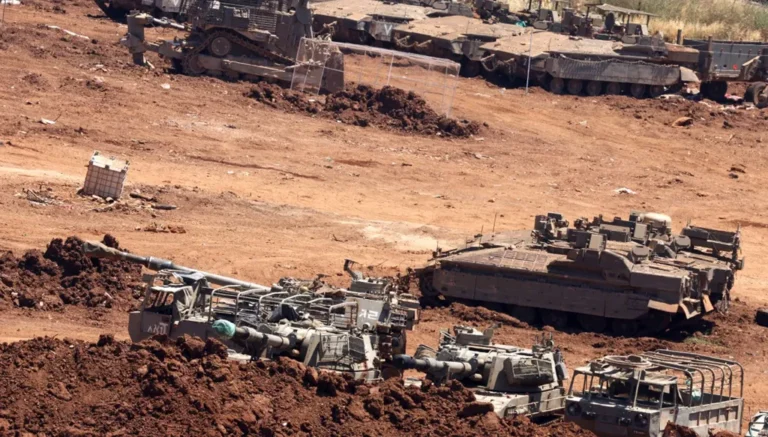
In recent field developments with significant implications, American forces have conducted limited strikes on Iranian targets, including Qeshm Island in the Strait of Hormuz, without publicly announcing them. Iran has responded to American pressure with escalating daily attacks on tankers in the strait. Meanwhile, the Houthis in Yemen are increasing their targeting of civilian infrastructure in Saudi Arabia.
As the Iranian Revolutionary Guard continues to threaten a stronger response if Iran faces new strikes, Tehran is also keeping the diplomatic window open. Foreign Minister Abbas Araghchi announced contacts with 12 of his regional counterparts.
Qatar's Prime Minister and Foreign Minister Sheikh Mohammed bin Abdul Rahman stated that both the Iranian and American sides affirm their willingness "to take steps toward reaching a solution and the importance of building on it without waiting for a perfect agreement, which prevents reaching an agreement to ease the escalation."
It won’t be long before it becomes clear which direction Trump will take regarding Iran, unless he opts to manage the conflict during his remaining two years in the White House and pass another Middle Eastern war on to his successor, whether Republican or Democrat.
Disclaimer: The opinions expressed by the writers are their own and do not necessarily represent the views of Annahar.