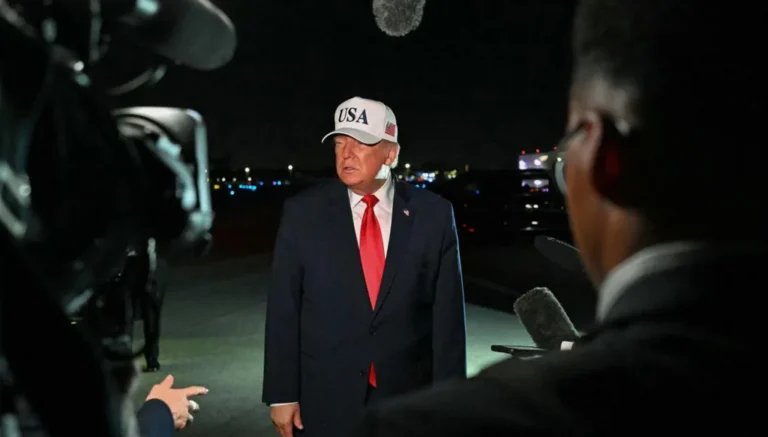
All eyes remain on what Donald Trump will decide regarding Iran after his party lost the midterm elections: whether he will launch a direct military war, engage in other forms of confrontation, or increase pressure on regional countries, including Lebanon, over Hezbollah.
U.S. dealings with Lebanon are not expected to change radically in the coming period. Instead, Washington is likely to increase pressure on the Lebanese state to proceed with implementing the agenda set for Lebanon and to make its decisions regarding weapons. According to diplomatic sources, the Trump administration will not retreat from continuing its pressure on Hezbollah. Despite the Democrats controlling Congress, Washington will seek to maintain the separation of Lebanon from Iran's trajectory and revive the framework agreement between Lebanon and Israel, despite it being frozen and potentially nullified following the halt of negotiations under U.S. auspices.
Those negotiations are unlikely to resume before the formation of the new Israeli government under Aizenkot, and would take place in a different context from before.
Information from American circles indicates that the framework agreement will remain, for Washington, the mechanism regulating relations between Lebanon and Israel, serving as the basis for a settlement linked to disarmament. Washington will also seek to make it a foundation for exploring security arrangements in the south, with the pressure this could place on the state, the army, and institutions to confront Hezbollah and end its influence.
During the current transitional phase, Washington appears to be focusing on specific files related to Hezbollah. It is urging the Lebanese state to take further security measures and judicial steps following the investigations into the Dhahr al-Baydar explosives, while moving toward practical measures to disarm areas north of the Litani and financially contain Hezbollah.
The American request for coordination between the Israeli and Lebanese armies in trial areas was rejected by Lebanon, which also declined to move toward discussing the political and security arrangements file and reaching an agreement before Israel withdraws from the occupied south.
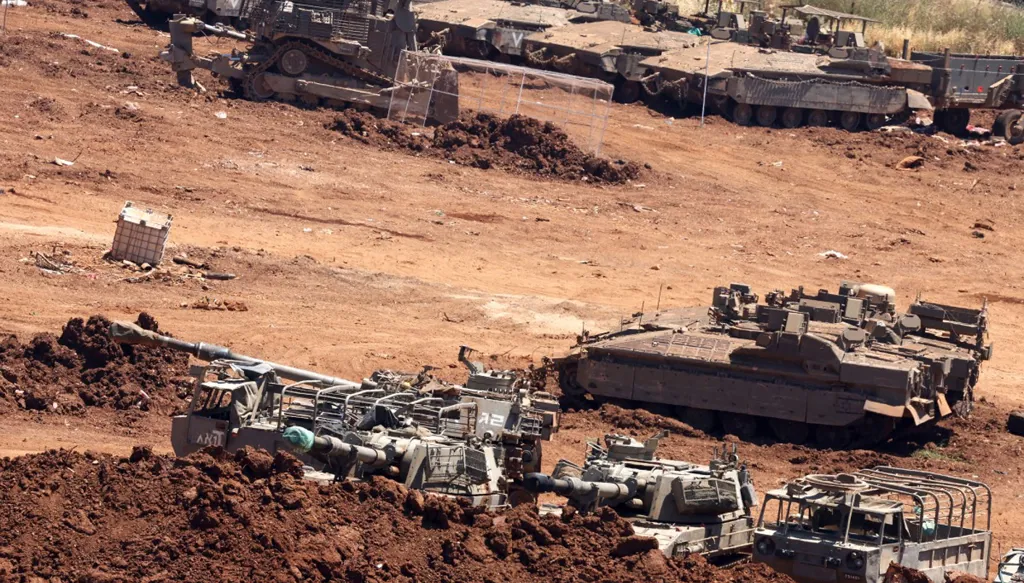
American pressure coincides with Israeli threats warning against Hezbollah becoming involved in any regional war with Iran, amid reports of a possible Israeli attack on Hezbollah's locations. This raises serious concerns about the possibility of an escalation leading to an explosion on the southern front.
Nevertheless, these pressures and threats are the last things the Trump administration can do regarding Hezbollah, as the party senses strength following the results of the American and Israeli elections. It is betting that the countdown to American defeats in the region has begun because of Iran's resilience.
Hezbollah has therefore raised its escalatory rhetoric against the Lebanese state, seeking to capitalize on Trump's domestic defeat to push the government to reverse its decisions, particularly the decision to restrict arms. The head of the party's executive council, Sheikh Ali Damoush, announced that relinquishing weapons is not on the table, describing the framework agreement as legitimizing the occupation.
This position was echoed by MP Ali Fayyad and rejected by political forces on the opposing side, indicating that Lebanon is heading, in all cases, toward an internally explosive impasse.
The current American agenda will remain in place under the Trump administration, including its stance against extending UNIFIL's mandate in the south. Information indicates that Washington does not agree to any alternative international force, instead pushing for coordination between Lebanon and Israel through security arrangements organized by the framework agreement.
Any international alternative for southern Lebanon that the United States may support would have to align with this approach. Even France is convinced that no alternative force to UNIFIL will be formed without American approval, bringing it closer to agreeing with the Americans on international coordination in southern Lebanon without UNIFIL.