This is not the first time U.S. President Donald Trump has announced his intention to exercise restraint and refrain from launching strikes against Iran for the time being, citing what he described as appeals from countries in the region. However, the circumstances surrounding his latest position differ from similar announcements made in recent months.
This time, the announcement followed Trump's reception at the White House of Qatari Prime Minister and Foreign Minister Sheikh Mohammed bin Abdulrahman Al Thani, the first foreign official he met after the Republicans suffered a crushing defeat in the November 3 midterm elections.
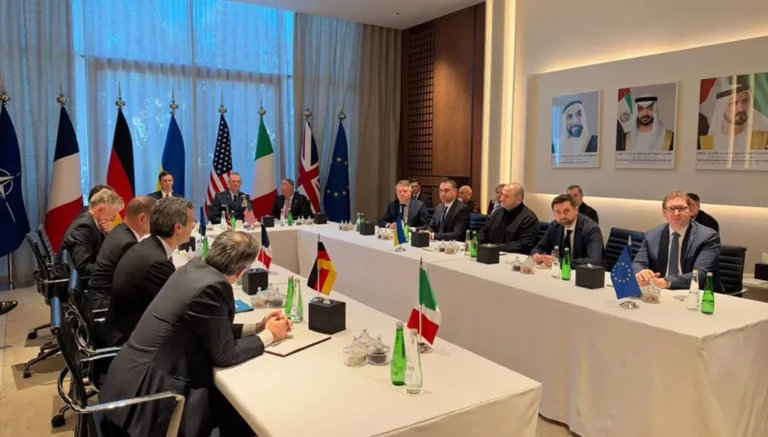
Reports suggested that the Qatari official, whose country serves as a key mediator in resolving the conflict, brought a new proposal aimed at bridging the gap between Washington and Tehran. The initiative reportedly calls for a gradual process of rebuilding trust between the two sides, ultimately paving the way for a return to the negotiating table.
Another distinguishing factor this time is that U.S. Vice President JD Vance has taken the lead on the Iranian file. Vance is known for his opposition to the war from the outset and his support for finding a peaceful settlement to the conflict, now entering its ninth month.
Vance may benefit from the mounting pressure on Secretary of War Pete Hegseth to resign, given that Hegseth was among the strongest advocates of the military option and continues to support the resumption of strikes.
The pressure gained fresh momentum after Republican Representative Thomas Massie, known for his opposition to Trump, submitted a request in the House of Representatives to initiate impeachment proceedings against Hegseth over his role in the war with Iran and the attacks on boats in the Caribbean.
The White House claims the vessels belonged to drug traffickers, while critics consider the attacks extrajudicial executions
Although these proceedings are likely to reach a dead end, as they would require the approval of twothirds of the Senate, an unlikely outcome even if Democrats gain a majority in January, the move represents another symbolic blow to Trump. It also signals that opponents of the war are intensifying their efforts to hold accountable officials who advocated for military action.
Nevertheless, Trump continues to maintain a balance between supporters of a negotiated settlement and advocates of war by allowing mediators to pursue their efforts. This has brought some relief to oil markets, where prices have fallen to approximately $90 per barrel.
At the same time, Trump is maintaining the naval blockade, reinforced by Operation "Iron Gate," aimed at cutting off Iran's supply routes through the Caspian Sea and land crossings with neighboring countries.
Military preparations are also continuing. The U.S. aircraft carrier Roosevelt and its strike group docked at the port of Singapore on Sunday while en route to join two other aircraft carriers currently deployed in the region.
Meanwhile, another contingent of U.S. Marines is expected to arrive to reinforce American forces carrying out missions in the Middle East.
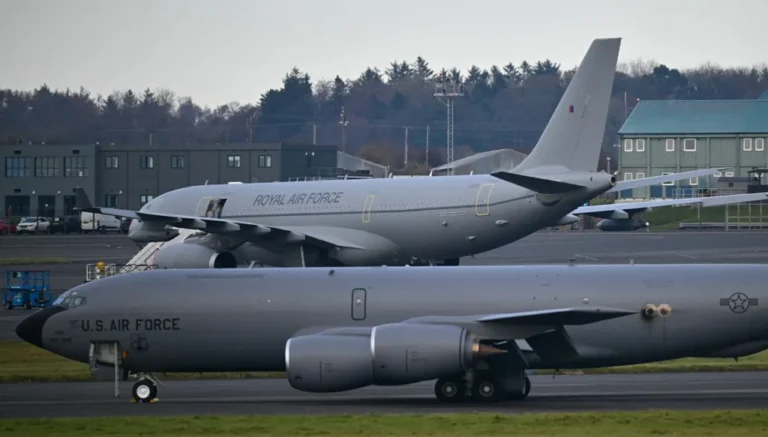
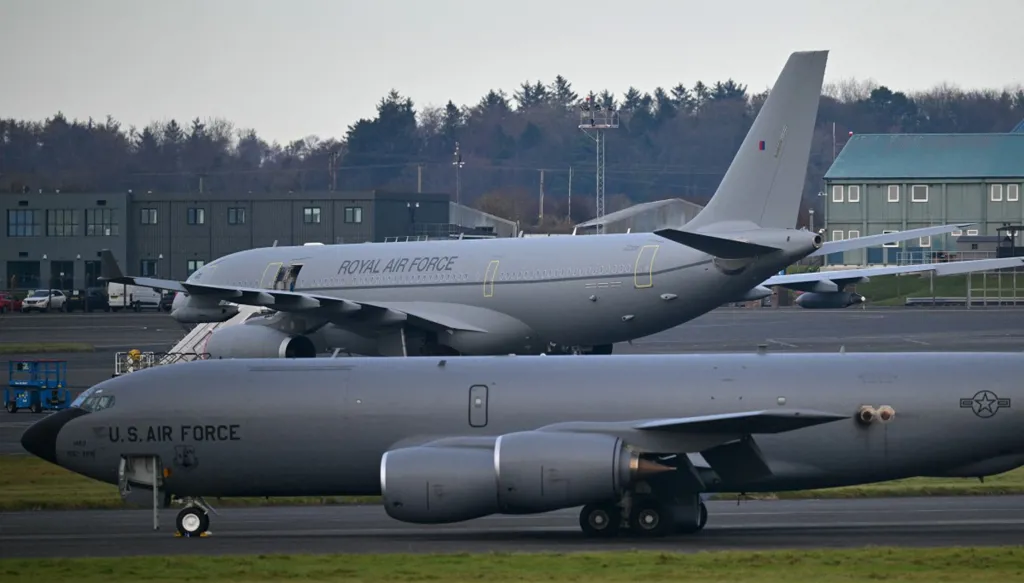
As part of preparations for potential Iranian attacks, the United States relocated aerial refueling aircraft from Britain's Mildenhall air base on Sunday.
Two months earlier, Washington had also moved bombers from Britain's Fairford air base. London accused Tehran of attempting to target the base, an allegation Iran denied.
For months, Trump's strategy has relied on keeping the world anticipating an imminent strike against Iran, only to delay military action and give diplomacy an opportunity to find a way out of a conflict that lacks popular support in the United States and contributed to the Democrats' historic victory in the midterm elections.
In other words, Trump appears to have chosen to prolong the state of neither war nor peace, and with it, the conflict itself.