The Houthi drone attack on Mecca, the U.S. Houthi talks and Tehran’s renewed conditions point to a wider struggle over Iran’s regional influence and the future of its confrontation with Washington.
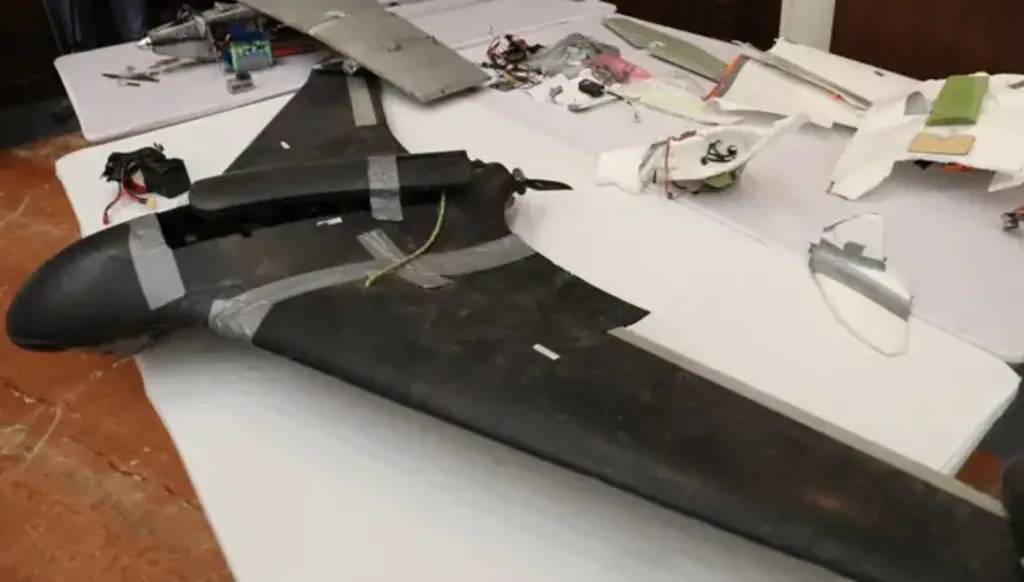
The Houthis’ launch of a drone into the airspace over Mecca was met with condemnation and warnings from Arab and Islamic capitals. This was not merely a passing attack carried out by the group controlling Yemen as part of a programmed escalation against Saudi Arabia; rather, it was a deliberate attack designed to test reactions in the context of what appears to be an open-ended war, in which Iran sometimes operates behind the Houthis and at other times behind an Iraqi faction. The voices of condemnation were raised not only because of the sanctity of the place, but also because no one has forgotten that Iran’s early leaders and their followers had all previously identified Mecca and Medina as two primary targets for the “export of the revolution,” in completion of the foundations of what is called the “Islamic Republic.”
The attack was foiled by intercepting the drone, but the “message” got through. Tehran seized on the Houthis’ denial, arguing that “there is no basis for accusing any particular party” and calling for “no accusations against Iran to be made without clear evidence,” exactly as it did after Iraqi factions denied responsibility for launching drones from the border province of Maysan at Saudi Arabia’s East West oil pipelines. Both were failed attempts to suggest that the attacks were carried out by “third parties” or even “friendly parties.” Tehran took note of the sensitivities surrounding any attack on Mecca and understood that no one believed it was innocent, that the incident had come close to a “red line,” and that it could negatively affect its relations with Turkey, Pakistan and other Islamic countries. But it may conclude that it is possible to instruct its “experts” in Yemen to repeat the operation as long as it is attributed to the Houthis, since they are not a state and have no concern for their international reputation. On the other hand, Iraq’s handling of the Maysan incident showed that Tehran has been forced to exercise caution in mobilising its militias, which are supposed to be disarmed.
Three days before the attempted attack on Mecca, diplomats at the U.S. embassy in Muscat met with two Houthi “guests,” but nothing was announced about the purpose or outcome of the meeting. The Houthis, however, leaked a renewed commitment to the ceasefire concluded in May 2025 and to refraining from attacking U.S. ships or any commercial vessels in the Red Sea, with the exception of Saudi vessels. The new element, which received little attention, was reported by Reuters, citing a “Yemeni source,” more precisely, a Houthi source: they would not attack Israeli vessels. It appears that this latter point had been conveyed in advance and persuaded the U.S. side to engage in direct talks with the Houthis.
President Donald Trump had said: “They told us they don’t want to fight us,” appearing unconcerned with the Yemen Houthi war or the Iranian Houthi attacks on Saudi Arabia, and sparing himself any comment on a connection between Houthi control of the Bab el Mandeb Strait and the control Iran insists on maintaining over the Strait of Hormuz.
Did the U.S. Houthi meeting pave the way for an ongoing dialogue with an entity classified as a “Foreign Terrorist Organization” and with its sanctioned representatives? Will Washington go as far as recognising the Houthis as long as they control the coast overlooking the Red Sea? And would such recognition come despite Washington’s awareness that it would strengthen Iran’s influence, as an incentive for Tehran to return to negotiations?
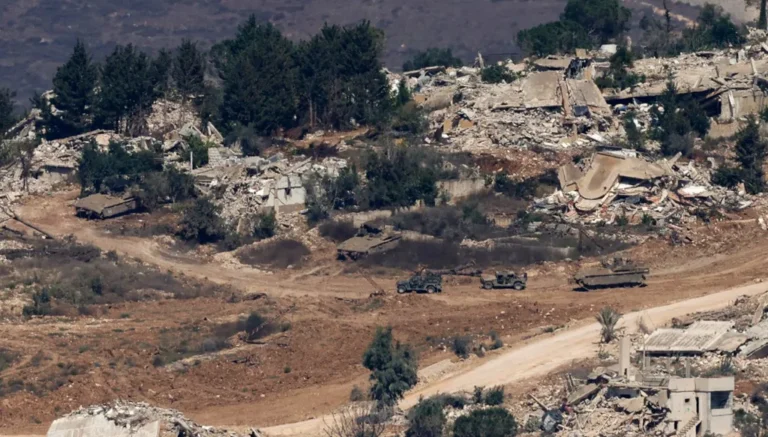
Two weeks ago, Tehran accepted a “settlement” engineered by the Americans that allowed Israeli forces to take control of the Ali al Taher heights in Lebanon, after it realised that its “experts” and fighters from the Lebanese “Party of Iran” would be unable to hold the position. Its fall represented another defeat for the “party” and a blow to its prestige. But the Houthis’ gains in Yemen appeared to offer Iran an important compensation for its losses in the Arab Levant, and a more worthwhile strategic gain in its calculations. Indeed, Iran regards them as complementary to the struggle it is currently waging to restore its regional influence.
The Houthis sought to “neutralise” the United States and Israel in their ongoing conflict with Yemen’s legitimate government, as well as in their declared Iranian war against Saudi Arabia. Washington, for its part, did not, for example, consider pushing the Houthis toward a “peaceful solution” between Yemenis. Instead, it may have wanted to seize upon some potential “distinction” between the Houthis and Iran, or even to be misled by the existence of such a distinction and test its credibility and durability, to see how it might be exploited in pursuing an end to the war with Iran, which is currently the overriding concern of the U.S. administration.