Ahmed Rostom, Minister of Planning and Economic Development, said Egypt’s economic policy is shifting towards a competitive, private sector-led growth model aimed at translating economic stability into a production and export boom while creating decent job opportunities.
He revealed that the private sector accounts for approximately 80% of Egypt’s gross domestic product (GDP), represents 60.8% of total investments, and provides 83% of all jobs in the Egyptian labour market.
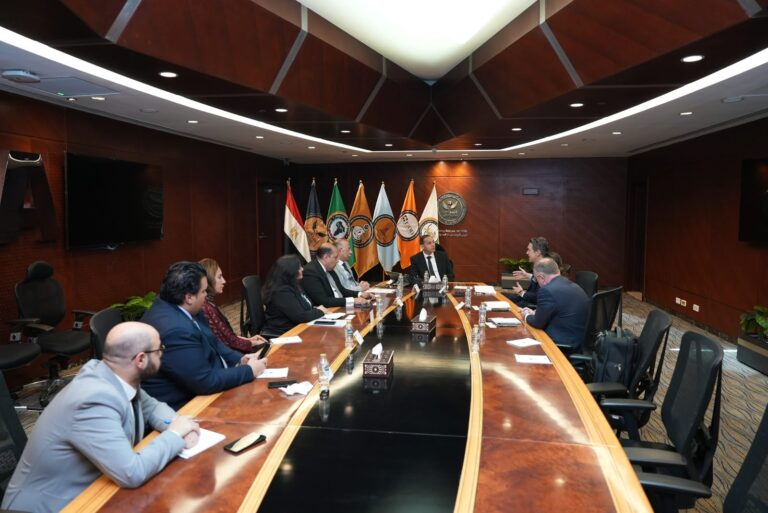
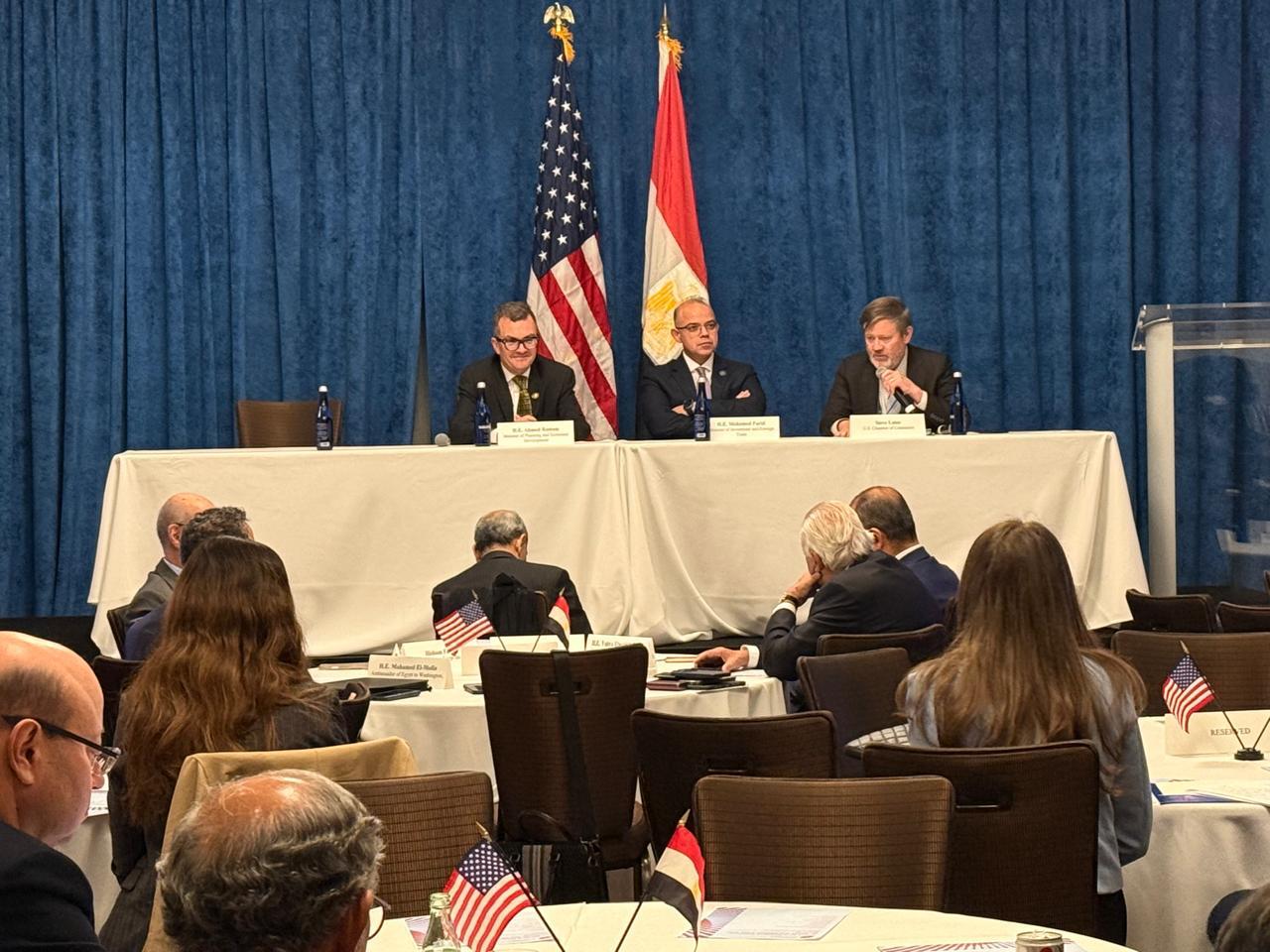
Rostom made the remarks during a high-level roundtable organised by the American Chamber of Commerce in Washington, DC, on the sidelines of the B20 Summit 2026 in the United States. The meeting was attended by Mohamed Farid, Minister of Investment and Foreign Trade, representatives of the American Chamber of Commerce in Egypt, and members of the Egyptian-American Business Council.
Rostom stressed that economic relations between Egypt and the United States are longstanding and rooted in history, with considerable potential for further expansion. He underscored the Egyptian state’s commitment to stimulating private sector investment and broadening cooperation in clean energy and climate technology.
During the meeting, the Minister of Planning outlined the main features of the National Economic Transformation Programme 2027-2030, which comprises 185 integrated reform measures and focuses on five promising sectors that collectively account for 40% of GDP.
He explained that the programme targets economic growth of 6.2-6.8%, while bringing inflation down to 5-7% by 2030.
He also highlighted efforts to develop innovative financing solutions, particularly the Infrastructure Finance Guarantee Facility (IFGF), established by Egypt in partnership with the World Bank to encourage domestic and international financing for renewable energy, water desalination, and sustainable urban development projects.
On the knowledge economy, Rostom called for stronger cooperation with US companies in artificial intelligence, cloud computing, and data centres, alongside developing the startup ecosystem and activating the Egypt Entrepreneurship and Innovation Centre. These efforts aim to facilitate technology transfer, develop digital skills, and strengthen links between scientific research and industry.
Rostom also highlighted opportunities to localise production and establish industrial partnerships to strengthen the resilience of global supply chains, particularly in the automotive, pharmaceutical, fertiliser, and home appliance sectors.
He stressed that Egypt’s strategic geographic location, coupled with its membership in the African Continental Free Trade Area (AfCFTA) and the Common Market for Eastern and Southern Africa (COMESA), positions the country as a leading investment and trade hub for US companies seeking access to regional and African markets.
Concluding his remarks, Rostom called on the US business community to move beyond strategic dialogue towards implementation through economically viable projects that support national priorities and deliver mutual benefits.
He reaffirmed the Ministry’s readiness to coordinate all aspects of cooperation and address challenges facing potential development partnerships and targeted investments.