Add as preferred on Google
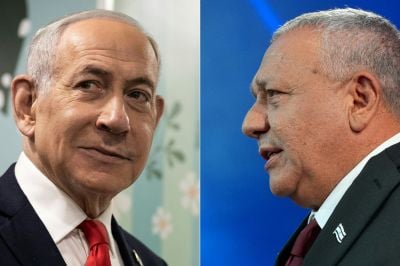
This combination of pictures created on Oct. 28, 2026, shows Prime Minister Benjamin Netanyahu (L) speaking to the media after voting in Jerusalem on October 27, 2026, and Yashar party leader Gadi Eisenkot addressing his supporters at the election night rally in Tel Aviv early on Oct. 28, 2026. (Credit: Jewel Samad and Maya Levin / various sources / AFP)
Add as preferred on Google As vote counting continues after Israel’s legislative election, the country is holding its breath. Prime Minister Benjamin Netanyahu and his centrist rival, Gadi Eisenkot, are locked in a tight race for a parliamentary majority.Initial exit polls gave the opposition camp led by Eisenkot a slight lead over Netanyahu, before placing the two camps almost neck and neck. With more than 70% of votes counted by noon, Netanyahu’s camp had secured 54 seats in the Israeli parliament, still short of the 61 needed for a majority. Opposition parties had won 64 seats, including 47 for Eisenkot’s bloc and 19 for Arab parties, according to the Israeli daily Haaretz.Why it mattersNetanyahu’s political future is at stake as he seeks to remain at the helm of Israel’s next government. The election is being closely watched beyond Israel’s... You have reached your article limitStay informed about a Middle East in crisis.Subscribe for $0.5/month for the first 3 months. Subscribe now Log in This article is only available to L’Orient Today subscribers. Subscribe now Log in Create a free account to continue reading this article. You’ll also receive The Morning Brief, our must-read daily digest of Middle East news. Opt out anytime Email Address Password Email Address Password I would like to receive special offers from L'Orient Today as well as selections of the best articles. Register By creating an account, you agree to the terms and conditions of use and our privacy policy. Register Or register with: Facebook
Already have an account? Login here