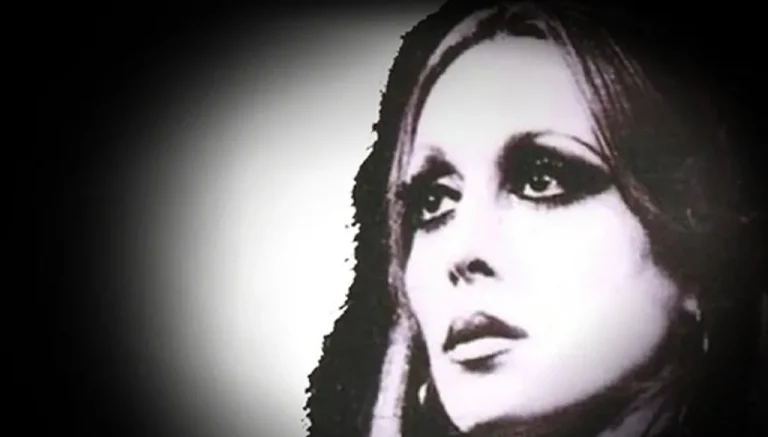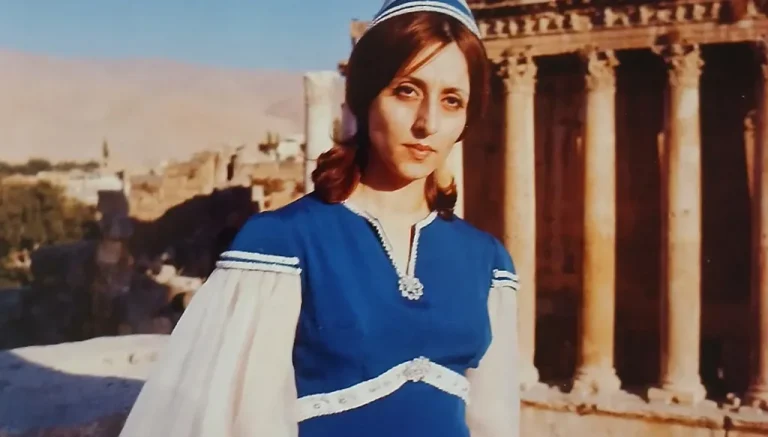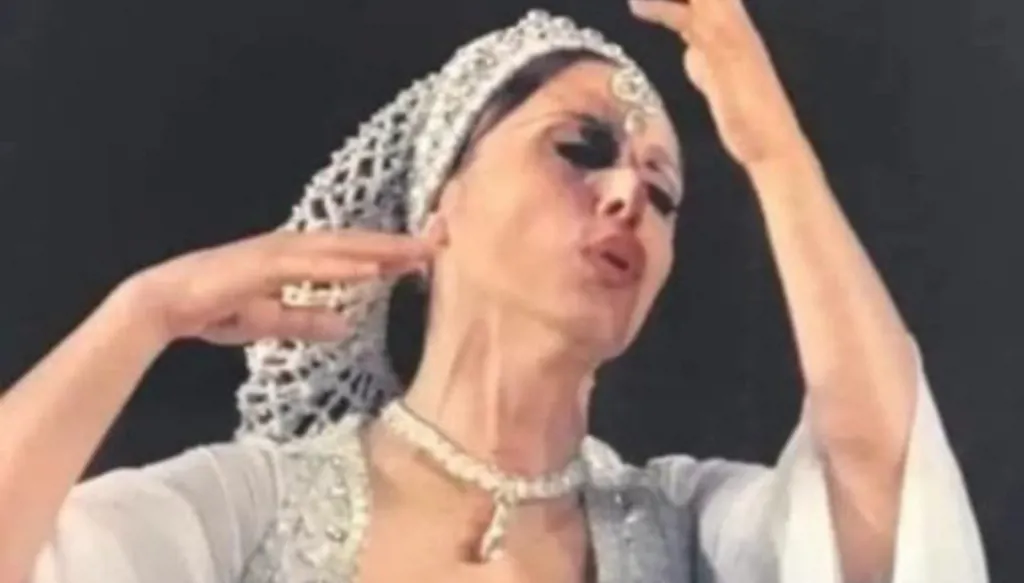
When Fairuz said goodbye to Ziad and then Hali, the Lebanese did not see only a legendary singer, but also a mother weighed down by loss. The woman who gave an entire country a voice for love, nostalgia and absence now stands face to face with her own silence, as though her personal story has become a mirror reflecting a country accustomed to losing its loved ones and carrying on with life.
But what remains of a voice when pain becomes greater than song? And what can we say to a woman who spent her life comforting people she had never met, when the time comes for her to need comfort herself?
In the scenes marking Ziad Rahbani’s farewell, Fairuz was no longer the distant woman we had grown accustomed to seeing on stage, surrounded by lights, an aura of grandeur and awe. She was a mother, simply a mother, with all the love, helplessness and fear that this word carries in the face of the cruelty of loss. Time weighed heavily on her features, as though the years that had passed without changing her voice had left their mark on her face.
Fairuz was not broken. Perhaps the greatest injustice would be to reduce a woman of her stature to a single moment of grief. But we have grown accustomed to expecting things of our icons that we would never expect of ordinary people: that they remain strong and beautiful, untouched by time, and continue to offer us reassurance even when life itself becomes overwhelming.
Fairuz experienced loss early in life. Assi passed away in 1986, followed by her daughter Layal in 1988. Many years later, Ziad died in July 2025, followed by Hali in January 2026. These names are not merely milestones in the life of an artist; they belong to faces, voices, memories and family moments unknown to the public, which no artistic biography could ever fully capture. But the most painful thing about loss is that life does not come to a halt out of respect for it. Morning comes, windows open, and days return to their usual routines, while an empty chair remains, a voice is heard no more, and a name brings an entire life flooding back.
When we hear Saalouni El Nass, we think of absence. When we hear Keefak Inta, we remember those from whom life has separated us. And when we hear Li Beirut, we feel that the city she sang to resembles her in certain aspects of its fate: beautiful despite its wounds, and burdened with the memories of those who have departed. Not because her songs were written to tell the story of her sorrows, but because life has brought those songs back to us with new meanings.
There are painful parallels between Fairuz and Lebanon. She loses her loved ones, while the country loses its sons and daughters. She holds on to her silence, while Lebanon fills with the names of those who are gone. Between them lies a history of love, waiting, disappointments and attempts to carry on, no matter what.
But Fairuz is not merely a national metaphor. Before being the voice of Lebanon, she is a human being; and before becoming part of the collective memory, she was a mother with a home, a family and a life of which we know very little.
Today, as she remains away from the spotlight, we do not know what Fairuz does when the door closes, how she spends her hours, or what she tells herself when the world grows quiet. Perhaps it is not our right to know. She has given us enough of her voice to fill entire lifetimes. She has every right to keep what remains of her life to herself.
Perhaps Fairuz no longer needs to sing for Lebanon. Perhaps, for once, it is Lebanon that should give back some of the love she has given it, not through applause or tributes, but by respecting her silence.
How heartbreaking it is that the woman who taught an entire country how to long for someone is now a mother who knows what it means to long for those who will never return!