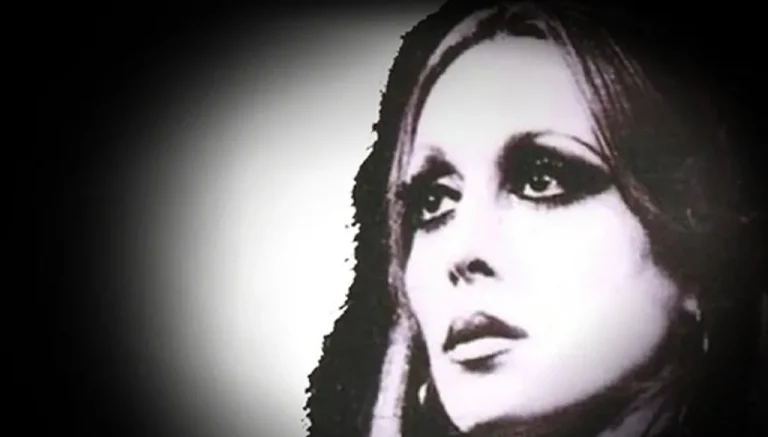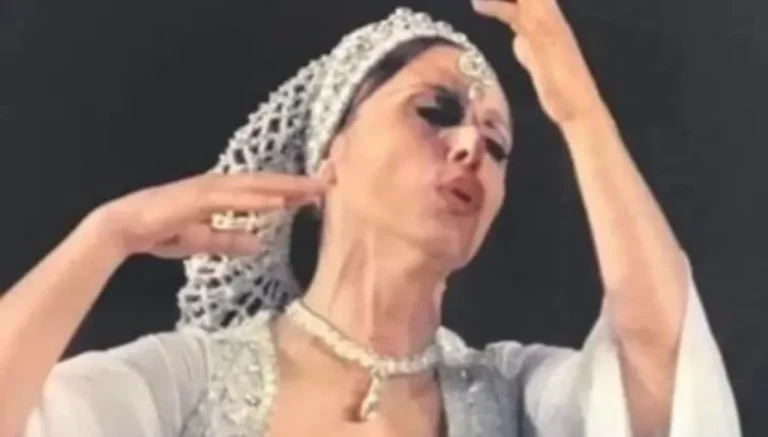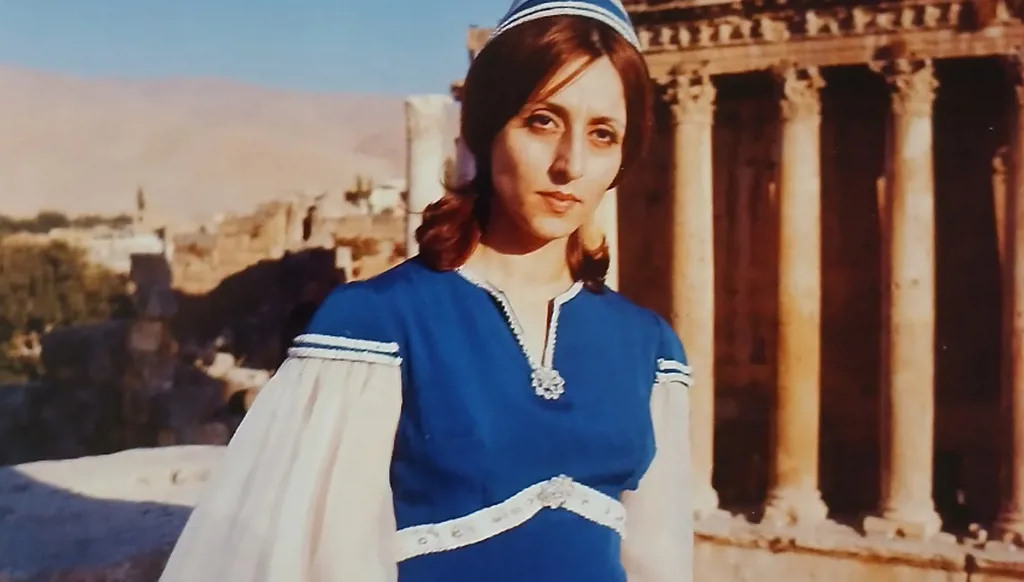
On Fairuz’s birthday, Damascus chose to sing for her rather than simply listen to her songs. From the Opera House, the city brought back a voice that had accompanied its mornings, filled its homes, and become part of generations’ memories, in an evening celebrating an artist who transcended the boundaries of song to become part of the Arab collective consciousness.
Under the title "Damascus Sings Fairuz," music came together with children's voices and light displays in an artistic tribute that did not seek to recreate Fairuz's performances, but rather to celebrate her legacy, which continues to transcend generations.
In an interview with Annahar, Fares Al-Hariri, CEO of JUST MARRIED & EVENTS, the company that organized and produced the concert, revealed that preparations took approximately a month and a half. He noted that the choice of title reflected the relationship between Damascus and Fairuz, while conveying a message about the city's cultural and artistic revival.
Al-Hariri stressed that the choice of singer Nermin Sultan Shawqi to perform the songs was driven by respect for Fairuz's stature. No one could take her place; the aim was simply to pay tribute to her in a way worthy of her legacy.
Perhaps the most moving moment was the participation of a choir of around 180 people, including 150 children, who sang songs written decades before they were born. In that moment, Fairuz's songs were no longer simply a source of nostalgia for the past, but a living memory passed down from one generation to the next.
On the visual front, Kabo Keshishian of Sahak Sound and Lighting told Annahar that the evening featured light displays inspired by the atmosphere of Fairuz's songs. Lighting, screens, and graphics came together to transform the music into a visual experience that went beyond traditional stage lighting.
Because Fairuz's songs have always been associated with homes, streets, and memories, the evening carried a meaning that extended beyond celebration. Different generations came together around music deeply rooted in their collective memory, while Damascus, through art, reclaimed some of the warmth of its former days and its cultural identity, which has never lost its presence.
In Damascus, the tribute to Fairuz was more than just an artistic event; it was a revival of the bond between a city and a voice that has remained present despite the changing times. Amid children's voices, music, and light, a story that has never ended was brought to life once again.
Fairuz was not on stage, but Damascus sang for her. And perhaps that was the most beautiful birthday gift of all: to see her voice remain alive in a city that has never stopped listening to it.