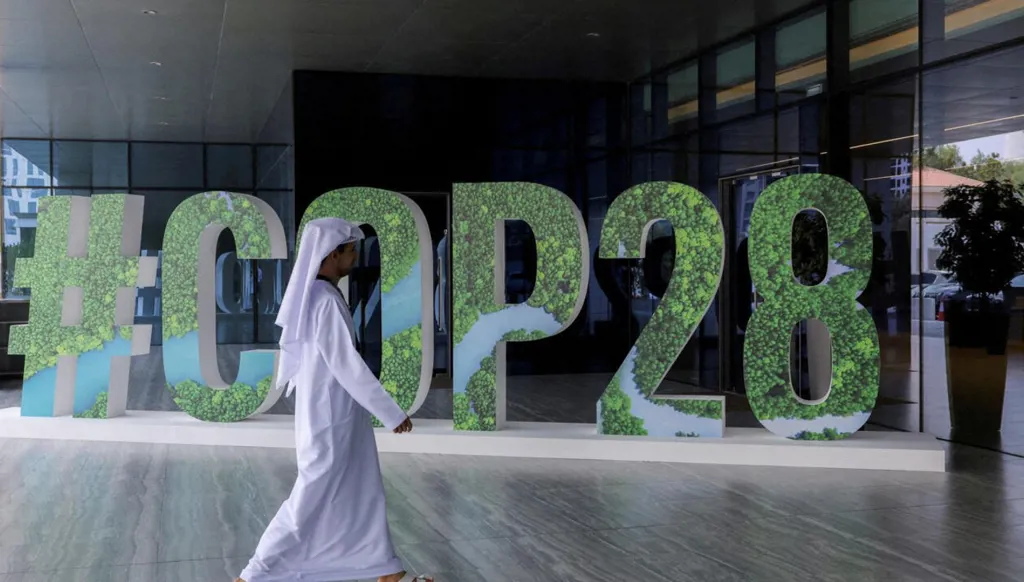
As "COP 31" kicks off in Antalya, scheduled from November 9 to 20, 2026, it is essential to review the outcomes of the past three conferences, starting with the resolutions adopted at "COP 28" in Dubai, to track the climate commitments made in 2023 and what remains unfulfilled.
The standout resolution from Dubai was the "UAE Agreement," which resulted from the first global review of the implementation of the "Paris Agreement." For the first time, it included a collective call to transition away from fossil fuels in energy systems in a fair, orderly, and equitable manner, with the goal of reaching net-zero emissions by 2050.
However, it did not establish a binding timetable for each country. In practice, energy-related carbon dioxide emissions rose by 0.4% in 2025 to a record level, while even the roadmap presented by the Brazilian presidency on November 3, 2026, remained voluntary.
In the energy sector, countries agreed to triple global renewable energy capacity compared with 2022 levels and double the annual rate of energy efficiency improvement by 2030.
Here, tangible progress was made, with around 693 gigawatts of renewable capacity added in 2025. However, "IRENA" estimates that an annual average addition of 1,200 gigawatts will be needed between 2026 and 2030.
Energy efficiency improved by only 1.7% in 2025, below the 4% target. Meanwhile, methane emissions from fossil fuels did not decrease globally, despite calls for their reduction.
Regarding loss and damage, the fund agreed upon at "COP 27" was operationalized in Dubai, with a board and procedures put in place and $342 million allocated for its first interventions, compared with requests totaling $2.8 billion.
However, the first package of requests is still awaiting approval in December 2026, meaning that the allocation of funds has yet to translate into financing for these projects.
In Dubai, the "UAE Framework for Global Climate Resilience" was approved to guide adaptation efforts in water, food, health, and other sectors.
Progress was made with the adoption of 59 indicators to measure it at "COP 30." However, international public funding for adaptation from developed to developing countries reached between $28.2 billion and $31.7 billion in 2024, according to the latest UN report, compared with estimated needs of around $305 billion annually by 2035.
As for the "UAE Declaration on Food Systems, Sustainable Agriculture, and Climate Action," 159 countries supported it in Dubai.
The voluntary declaration calls for integrating food and agriculture into climate plans by 2025, supporting farmers, and reducing waste. Follow-up efforts began through a UN initiative operating in 22 countries to link food policies with climate goals.
However, a review of 116 new climate plans in 2026 found that only 28% included measures addressing food loss and waste, indicating progress in planning but insufficient evidence that the desired outcomes are being achieved.
Dubai also witnessed the first health day and the adoption of the UAE Declaration on Climate and Health.
This path continued with the launch of the Belém Health Plan in 2025, which had been endorsed by 33 countries by May 2026. This represents a regulatory step that still requires broader translation into hospitals, prevention, and early warning systems.
"COP 31" in Antalya needs to turn these pathways into funded national programs with reviewable timelines and clear responsibilities. This includes reducing fossil fuel consumption and methane emissions, expanding grids and storage, improving efficiency, accelerating the disbursement of the loss and damage fund, and increasing adaptation grants.
Emission reduction plans for 2035 need to be updated, while support must also be provided to workers and families affected by the transition. Annual public reports should show what each country has pledged, paid, and implemented, including commitments related to food and health.
The ultimate measure of success is whether emissions are reduced and whether protection and funding reach those most affected.