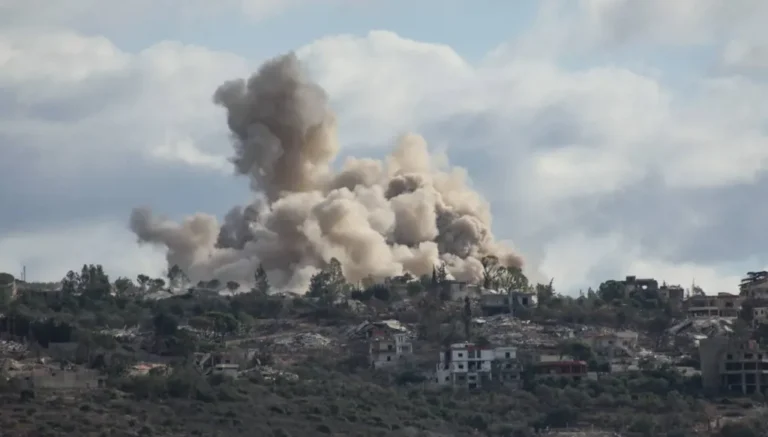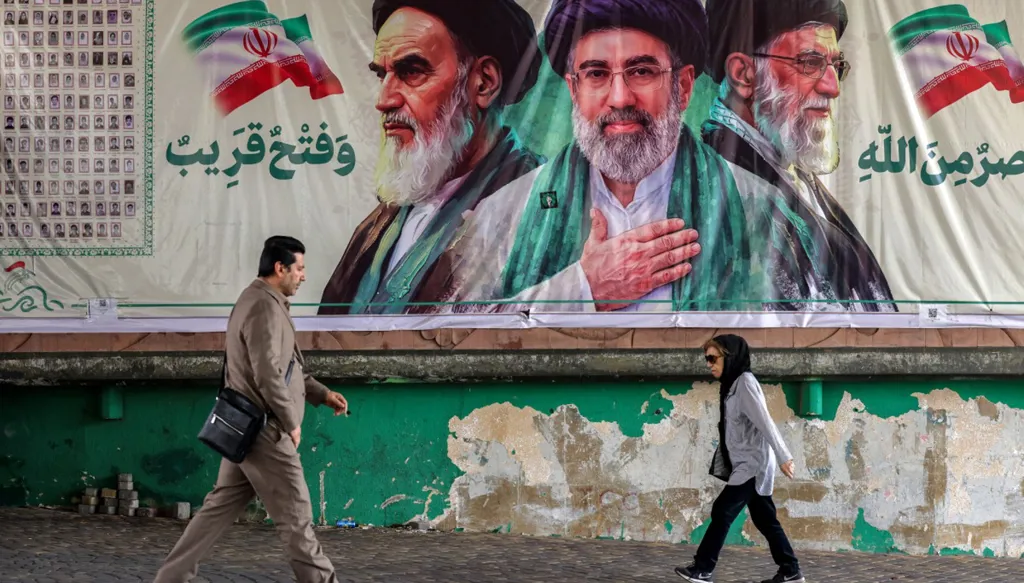
Tomorrow, Israelis will head to the polls, followed by the U.S. midterm elections a week later. These events coincide with intensive preparations for an attack on Iran, which would mark the third such war in the past 16 months, regardless of how the election results may reshape the political landscapes in Israel and the United States.
Both the United States and Iran want to break the deadlock and move beyond the state of neither war nor peace. U.S. President Donald Trump wants to withdraw from the Middle East quickly and is not opposed to using a short war lasting a few days as a means of declaring victory and retreating. Iranian President Masoud Bezhkian has acknowledged the hardships Iranian citizens face in making a living and has publicly called for an end to the state of neither war nor peace.
Meanwhile, Israeli Prime Minister Benjamin Netanyahu wants a war that continues until the regime in Tehran is overthrown. From his perspective, this is the ultimate solution to Iran’s nuclear program, rather than reaching an agreement, regardless of the restrictions it would impose on Iran’s nuclear or missile activities.
As long as the parties remain more determined to pursue war than political solutions, they will not lack excuses to ignite the first spark. A report by U.S. Director of National Intelligence Jay Clayton, which spoke of Iranian plans in “advanced stages” to attack American officials and individuals in the Middle East, abroad, and even in the United States, gave Trump another reason to initiate a war that faces strong opposition from U.S. public opinion and those close to the president, beginning with Vice President J.D. Vance. Washington’s decision to evacuate its diplomats from Saudi Arabia and other Gulf countries was linked to Clayton’s report.
For Trump, war remains an option whether Republicans retain their majority in Congress or Democrats succeed in claiming the majority on November 3. War would allow him to demonstrate that his decisions are unaffected by election outcomes. A detailed report published by The New York Times highlighted an important consideration: the U.S. president wants to strike Iran during the remainder of his term, as he doubts that his successor, who will take office in a little over two years, would make such a decision.
Trump has escalated his aggressive rhetoric to the point of hinting late Saturday night that the strike “could start tomorrow.” Perhaps the president did not mean this literally but sought to signal that a decision to attack was imminent. In turn, U.S. Ambassador to Turkey Tom Barrack deliberately added to the ambiguity surrounding the timing of the war, hinting that it could happen before November 3.
Trump appears convinced that if a third war fails to force Iran back to negotiations and secure an agreement on his terms, it will inflict damage on the country that could take many years to repair. Accordingly, the new target list includes nuclear sites, several islands, and civilian infrastructure, including oil facilities, electricity infrastructure, and bridges. Iran, in turn, has drawn up its own list of targets, including civilian infrastructure in Gulf countries and even the possibility of cutting internet cables running beneath the Strait of Hormuz. An Iranian official considered targeting American officials a response to the assassinations of Iranian leaders by the United States and Israel during the war. Iran’s chief negotiator, Mohammad Bagher Qalibaf, spoke of an “unexpected Iranian response.”
These target lists warn that the coming war could be fiercer than the 12-day war in June 2025 and the 40-day war that began on February 28, 2026. Nevertheless, Trump has not entirely ruled out the possibility of reaching a “good, big, and great agreement” with Iran. For his part, Iranian Foreign Minister Abbas Araqchi said that Iran’s proposal, submitted to the United States through intermediaries to reopen the Strait of Hormuz, remains on the table. The seven-day plan is conditional on lifting the naval blockade and oil sanctions.
Does this mean diplomacy remains a possibility to prevent an explosion? Amid the storm of escalation, there is no indication that it does.
Disclaimer: The opinions expressed by the writers are their own and do not necessarily represent the views of Annahar.