There are days that come to an end, but that we cannot leave behind. We finish a long day and return home, yet the stories we have heard stay with us. We think about the people behind them: How will they spend the night? Is there someone who will sit beside them? Can they, even for a few hours, stop being afraid? On days like these, the things we take for granted suddenly seem incredibly important: a home to return to, a job that provides a livelihood, and someone we can trust not to abandon us when we need them.
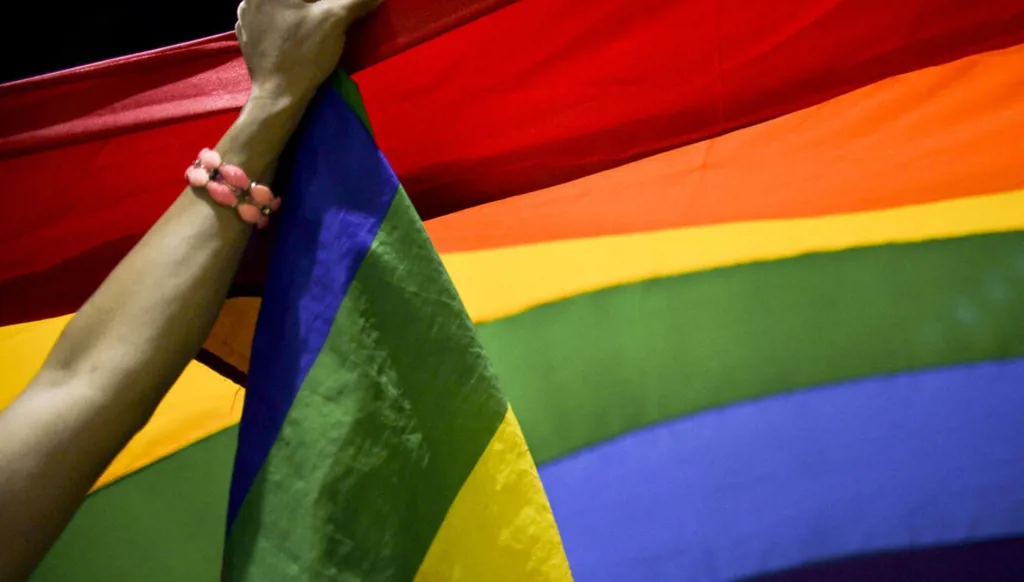
On one such day, I was following the case of someone being blackmailed because of his sexual orientation. His family had been informed, and his workplace had been contacted. I kept thinking about the anxiety he must have been experiencing as he waited for the reactions, and how he must have felt after losing control over what he could say about himself and whom he could tell. He now had to deal with the blackmailer's threats while also bracing himself for consequences that could affect his relationships and his livelihood.
Then, that evening, a friend called to tell me about a young man attempting to take his own life on a bridge in a neighboring area after his family had kicked him out of the house upon learning about his sexual orientation. I do not know all the details of his crisis, but the news that he had been thrown out stayed with me. I thought about how cruel it is to need your family, only to discover that your place among them is no longer secure. And about the profound loneliness a person can feel when forced to seek safety outside the place they have always called home.
Two stories in a single day made me reflect on the distance between being harmed and being able to seek protection. We tell people who are subjected to blackmail or violence: File a complaint, do not remain silent, stand up for your rights. But these words assume that the path to justice is safe, and that those who take it will not face further danger because of their private lives.
Criminalizing homosexuality undermines that sense of safety. When people fear that filing a complaint could expose them to prosecution because of their relationships, seeking justice becomes a decision fraught with fear. Human rights reports have documented the reluctance of LGBTQ+ individuals to report violations for fear of criminalization, stigma, or being blamed for what they have experienced. As a result, those who need protection find themselves preoccupied with what the very authorities meant to protect them might do to them.
Blackmailers exploit this hesitation. They know that the threat of exposing someone's private life may be enough to silence them or force them to comply with repeated demands. When they believe their victims will not turn to the authorities, the likelihood of being held accountable becomes much lower in their calculations. In this way, criminalization creates conditions that enable crimes to continue and spread: violations that go unreported, perpetrators who are difficult to expose, and opportunities to target others repeatedly.
This is why access to justice is an issue that concerns society as a whole. When some people are effectively denied protection, the space for impunity expands. Silence imposed through fear becomes a resource exploited by those seeking to steal, blackmail, or assault others. Meanwhile, the person who has been harmed must endure the abuse and its consequences, then bear the additional burden of finding a way to stop it without losing even more.
I do not know how we can reassure someone that their rights are protected if they are afraid to claim them. I know that empathy is essential, but it must be accompanied by protection people can trust and by institutions that safeguard privacy and handle complaints without humiliation or discrimination.
I am still thinking about that day. There is someone whose blackmailer's threats reached his family and workplace, and there is a young man whose home was closed to him. Both have the right to find someone who will protect them.
People should be able to say, "I am being harmed," without first having to defend their sexual orientation or prove that they deserve justice.
Writer and human rights activist