Add as preferred on Google
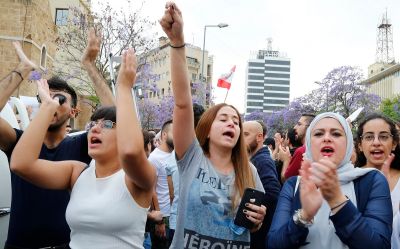
Lebanese women demonstrate for their right to grant nationality to their children. (Credit: Anwar Amro/AFP) Add as preferred on Google On Nov. 4, 2026, in Geneva, Syrian Social Affairs Minister Hind Kabawat announced a proposed law that would allow Syrian women married to foreign nationals to pass their citizenship on to their children. Such a reform would be unusual in a region where, from Beirut to Riyadh, citizenship remains primarily a paternal inheritance. According to the United Nations High Commissioner for Refugees (UNHCR), 12 of the 24 countries that still deny mothers and fathers equal rights to pass on their nationality are in the Middle East and North Africa. Where does this rule come from? Why has it persisted in some countries while others have abandoned it? And what could the Syrian announcement change? L'Orient-Le Jour takes a closer look. Need the context? In Syria, social affairs minister opens debate on mothers passing nationality to their children... You have reached your article limit.Stay informed as events unfold across a region in flux.Subscribe for $0.5/month for the first 3 months. Subscribe now Log in This article is only available to L’Orient Today subscribers. Subscribe now Log in Create a free account to continue reading this article. You’ll also receive The Morning Brief, our must-read daily digest of Middle East news. Opt out anytime Email Address Password Email Address Password I would like to receive special offers from L'Orient Today as well as selections of the best articles. Register By creating an account, you agree to the terms and conditions of use and our privacy policy. Register Or register with: Facebook
Already have an account? Login here