Countries that face their mistakes can correct them, while those that scapegoat others might temporarily win the narrative battle but lose the future war.
In the management of states and crises, failure isn’t always due to a lack of resources or weak capabilities, but can begin with the inability to diagnose the problem. When institutions fail to acknowledge their mistakes, one of the most dangerous patterns of political management emerges, which is exporting failure instead of seeking its causes internally.
This is not a new phenomenon, as creating an “external enemy” gives some powers room to escape questions of governance, efficiency, and accountability. It helps them rally their audience and justify their failures, yet it simultaneously delays reform because a problem not acknowledged cannot be addressed.
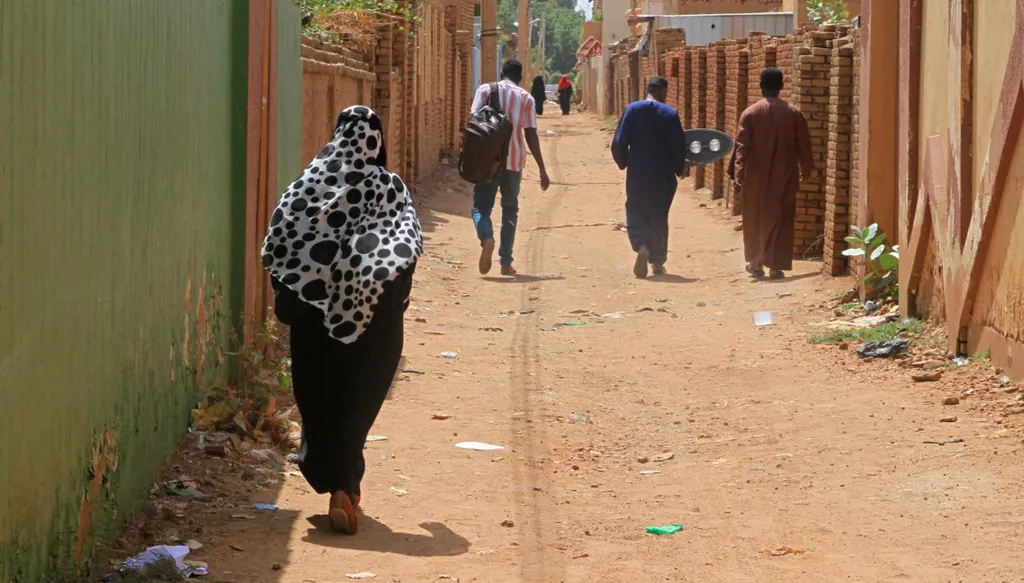
Sudan is a painful example of this. After years of war, the state still bears the cost of a complex military and political conflict involving armed forces, interest networks, and multiple supports. Yet the most important strategic question remains internal: how did the state reach this stage? And how can decision-making return to a civil path capable of building institutions and ending the dominance of arms?
In Yemen, more than a decade of conflict has produced an equally complex reality, where the state is experiencing economic collapse, institutional and administrative fragmentation, a decline in services, and continued control by the Houthis over wide areas, institutions, and resources. Recent United Nations reports indicate that the Yemeni economy has shrunk by more than half since the beginning of the conflict, while institutional division remains a factor deepening the crisis.
The strategic commonality between such crises is that when the state weakens, other forces such as militias, parties, ideologies, interest networks, and external interference fill the void. Here, blaming is easier than rebuilding the state.
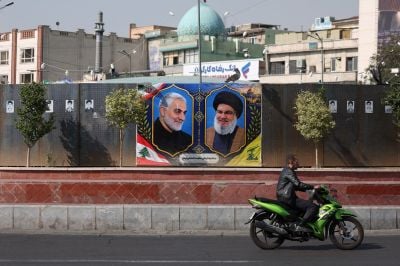
The problem becomes more critical when ideological organizations enter the battle of the narrative, turning political conflict into an existential issue, making the preservation of influence more important than the preservation of the state. Here, specifically, the roles of currents like the "Muslim Brotherhood" and affiliated groups should be read case by case, focusing on the impact of institutional politicization and prioritizing organizational loyalty over the concept of the national state.
In contrast, the UAE offers a different example in the philosophy of state management. It seeks to reduce energy consumption in debates and increase investment in capacity building. From space to artificial intelligence, and from the economy to infrastructure and international partnerships, the priority has become what can be accomplished in the future, not what can be justified from the past.
The equation here is that states that confront their mistakes can fix them, while states that make others a constant scapegoat may temporarily win the narrative battle but lose the battle for the future.
Thank you for subscribing to our newsletter