Add as preferred on Google
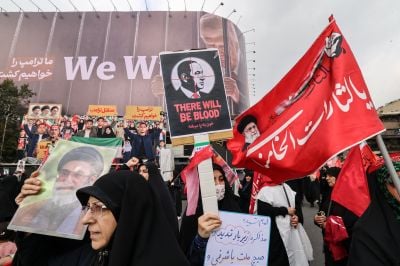
Iranian women hold up a placard pledging revenge against Israeli Prime Minister Benjamin Netanyahu during a gathering in front of an anti-U.S. billboard depicting U.S. President Donald Trump in Tehran's Enghelab Square on Nov. 3, 2026. (Credit: Atta Kenare/AFP) Add as preferred on Google On the night between Monday and Tuesday, on the eve of the U.S. midterm elections, the United States carried out strikes on the Iranian island of Qeshm, located in the strategic Strait of Hormuz. These attacks, first reported by the Wall Street Journal (WSJ) and confirmed later on Tuesday by U.S. President Donald Trump, were described as "defensive" by U.S. officials and come at a time when Washington and Tehran are issuing a series of contradictory statements regarding the prospects of an agreement to prevent a major resumption of hostilities. Whilst Trump appears optimistic, an Iranian official has insisted that the two countries are still "far" from reaching a compromise. However, in a sign of a possible diplomatic opening, Iranian president Massoud Pezeshkian has stated that his government has been granted... You have reached your article limitStay informed about a Middle East in crisis.Subscribe for $0.5/month for the first 3 months. Subscribe now Log in This article is only available to L’Orient Today subscribers. Subscribe now Log in Create a free account to continue reading this article. You’ll also receive The Morning Brief, our must-read daily digest of Middle East news. Opt out anytime Email Address Password Email Address Password I would like to receive special offers from L'Orient Today as well as selections of the best articles. Register By creating an account, you agree to the terms and conditions of use and our privacy policy. Register Or register with: Facebook
Already have an account? Login here En FrançaisFrappes américaines sur Qeshm, menaces iraniennes et négociations : ce que l'on sait