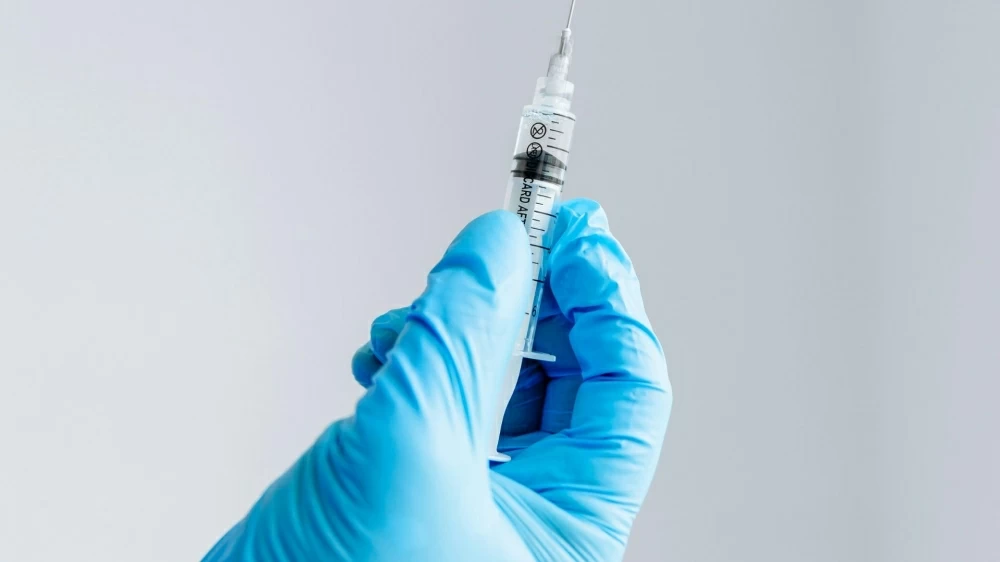
Dubai: The Ministry of Health and Prevention (MoHAP) has urged residents to receive the seasonal influenza vaccine, warning that the disease, which often begins with symptoms such as fever, cough, fatigue and muscle aches, can develop into a serious illness requiring hospitalisation, particularly among vulnerable groups.The ministry said influenza vaccination can provide up to 90 per cent protection against clinical illness in healthy adults and remains the most effective way to prevent infection, reduce the severity of illness and lower the risk of hospitalisation.Acute respiratory infectionThe ministry explained that seasonal influenza is an acute infectious respiratory disease caused by influenza viruses, which circulate during specific seasons, particularly in winter.Influenza viruses belong to the Orthomyxoviridae family and are classified into three types: A, B and C.MoHAP noted that the influenza vaccine is an inactivated vaccine containing virus particles that cannot cause the disease. The vaccine is available to everyone aged six months and above through government and private healthcare facilities across the UAE.Symptoms and transmissionThe ministry said seasonal influenza symptoms can range from mild to severe and generally resolve within a week without medical intervention. However, in some cases, the disease can lead to serious complications requiring hospitalisation.Symptoms include:FeverHeadacheFatigueCoughMuscle achesJoint painSore throatRunny noseVomiting and diarrhoea, particularly in childrenThe incubation period is approximately two days and may range from one to four days.Influenza is transmitted through respiratory droplets released when an infected person coughs, sneezes or talks. It can also spread indirectly through contact with contaminated hands, objects or surfaces, followed by touching the mouth, nose or eyes.Six high-risk groupsThe ministry identified six groups that are most vulnerable to influenza and its complications:Pregnant women at any stage of pregnancyChildren under five years oldElderly peopleHealthcare workersIndividuals with chronic medical conditions, including heart, lung, kidney, liver and blood diseasesPeople with weakened or compromised immune systemsMoHAP outlined seven key preventive measures:Receiving the influenza vaccineFollowing proper cough and sneeze etiquetteAvoiding close contact with infected individualsRegularly cleaning and disinfecting frequently used surfaces and objectsWashing and sanitising hands regularlyStaying away from others when symptoms developAvoiding touching the eyes, nose and mouthThe ministry recommended receiving the vaccine annually in September or early winter before the start of the flu season. However, it stressed that vaccination remains beneficial even if received later, as influenza activity can continue for several months.It noted that the body requires approximately two weeks after vaccination to develop protection.Safe and effective vaccineThe ministry emphasised that the influenza vaccine has been administered to millions of people worldwide for more than 60 years and has a strong safety record.According to the ministry, side effects are generally mild and resolve on their own within a few days.Global impactThe ministry said seasonal influenza affects approximately 5 to 10 per cent of adults and 20 to 30 per cent of children worldwide each year.Globally, influenza results in an estimated three to five million severe cases annually and causes between 290,000 and 650,000 deaths from respiratory complications.While most people recover without complications, the ministry warned that the disease can lead to serious health consequences, particularly among high-risk groups.It also noted that every influenza season differs from the previous one and may affect people in different ways.Benefits of vaccinationThe ministry cited studies showing that influenza vaccination:Reduces the severity of illness in infected individualsReduces hospital admissions among older adults by 25 to 39 per centReduces overall mortality by 39 to 75 per centProvides approximately 70 to 90 per cent protection against clinical illness in healthy adultsThe ministry also highlighted five key benefits of vaccination:Protecting individuals from influenza infectionReducing the risk of hospitalisationReducing the severity of illnessProtecting pregnant women during and after pregnancyProtecting infants during their first months of life and contributing to community protection, particularly for vulnerable groupsThe ministry stressed that annual vaccination and preventive measures remain the most effective way to reduce the impact of seasonal influenza and its complications.