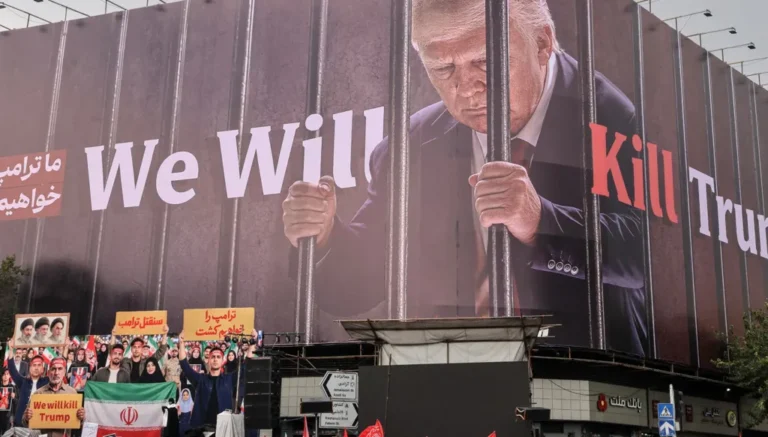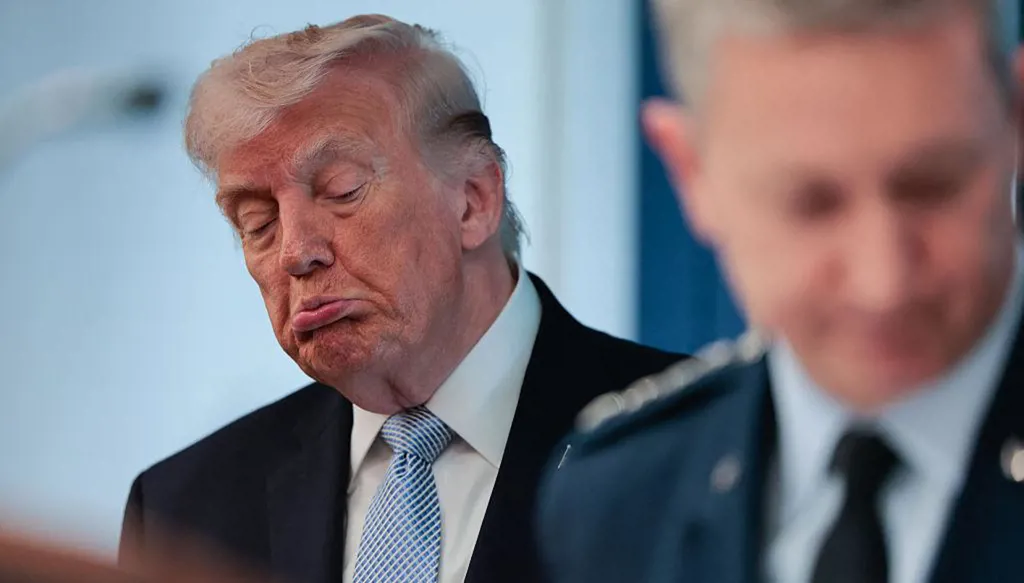
The impact of the U.S. midterm elections was not limited to reshaping the balance of power in Washington. It also placed President Donald Trump’s war with Iran within a new political equation after Democrats seized control of both houses of Congress amid electoral discontent over the costs of the war and rising prices. However, the results have not decisively determined the direction of U.S. policy, leaving open the possibility of either a resumption of military operations or a push for a settlement.
While Trump acknowledged that the war contributed to Republican losses, without backing down from defending it, his vice president, J.D. Vance, was more forthright in attributing part of the defeat to the conflict. This comes as Washington prepares for the transfer of legislative control to Democrats, who have promised to tighten oversight of military decisions and related spending.
The period leading up to January 3, 2027, when the new Congress convenes, raises a question that goes beyond the election results: Will the defeat push Trump to declare victory and end the war, or encourage him to continue military pressure before parliamentary oversight becomes stricter?
The election results marked a significant shift in the balance of power, with Democrats winning a majority in both the House and Senate in a vote influenced by economic concerns and objections to the war with Iran. However, a shift in the congressional majority does not mean that military decision-making power is transferred from the White House to Congress.
Nathan Brown, a professor of political science and international affairs at George Washington University, tells Annahar that the issue goes beyond constitutional texts. The Constitution grants Congress the power to declare war while making the president the commander-in-chief of the armed forces, but political practice has produced arrangements different from what these powers suggest.
Brown believes that the Trump administration has become accustomed to making decisions and challenging Congress and the courts to halt them, pointing out that the war with Iran has become a political and economic burden that has cost the president electorally. Therefore, the essential question, in his view, is whether Trump will attempt to ignore or circumvent measures the new Congress may take.
He considers that ignoring Congress has become less likely following the election results, though he does not rule out another course in which Trump exploits the freedom of the transition period to declare victory and end the war, while stressing that this scenario remains speculative.
The upcoming Democratic majority possesses influential tools, most notably chairing parliamentary committees, conducting investigations, and influencing military appropriations. However, these powers do not automatically grant Democrats the ability to stop operations, especially with the president retaining veto power and previously approved funding continuing to operate.
On the other hand, Michael Butler, a professor of political science and chair of the department at Clark University, warns against overestimating the elections’ impact on Trump’s foreign policy, arguing that Republican losses do not necessarily mean the administration will scale back its escalation.
Butler tells Annahar that the president or his hardline advisors might view escalation, or the threat of it, as a means of demonstrating strength following the electoral defeat. However, he emphasizes that he does not necessarily predict a new escalation, but believes that the administration’s previous behavior and existing political incentives do not allow for the assumption that the defeat will automatically drive it toward a settlement.
Butler links the U.S. margin for maneuver to regional developments, notably Israeli calculations, tensions in the Strait of Hormuz, and the conflict between the Houthis and Saudis. He believes that the intersection of these crises makes a quick exit from the war more difficult and limits Washington’s ability to unilaterally control its trajectory.
Conversely, Nathan Brown offers a different reading of Israeli calculations, arguing that Israel’s ability to influence Trump’s decisions, or those of most Democrats regarding Iran, has become more limited than before.
On the ground, Spencer Faragasso, a senior researcher at the Institute for Science and International Security, tells Annahar that the entrances to tunnels at the Isfahan and Fordow facilities remain filled with dirt, with no observed evidence of Iranian attempts to reopen the Fordow tunnels.
He adds that the dirt barriers hinder vehicle access to tunnel entrances at Mount Bikaks, effectively halting construction progress, according to his assessment.
Faragasso explains that researchers monitor any attempts to remove the barriers or repair damaged facilities as possible indicators of resumed activity inside nuclear sites. However, he warns against drawing definitive conclusions based solely on satellite images, as they document a specific moment in time and do not necessarily reveal what is happening inside the facilities.
Amid political constraints, regional pressures, and military indicators, America’s options remain open. The new Congress may raise the political and financial cost of continuing the war, but it will not assume its duties until next January. Until then, the question remains whether Trump will use the transition period to expand the confrontation or seek a way out and end the war.