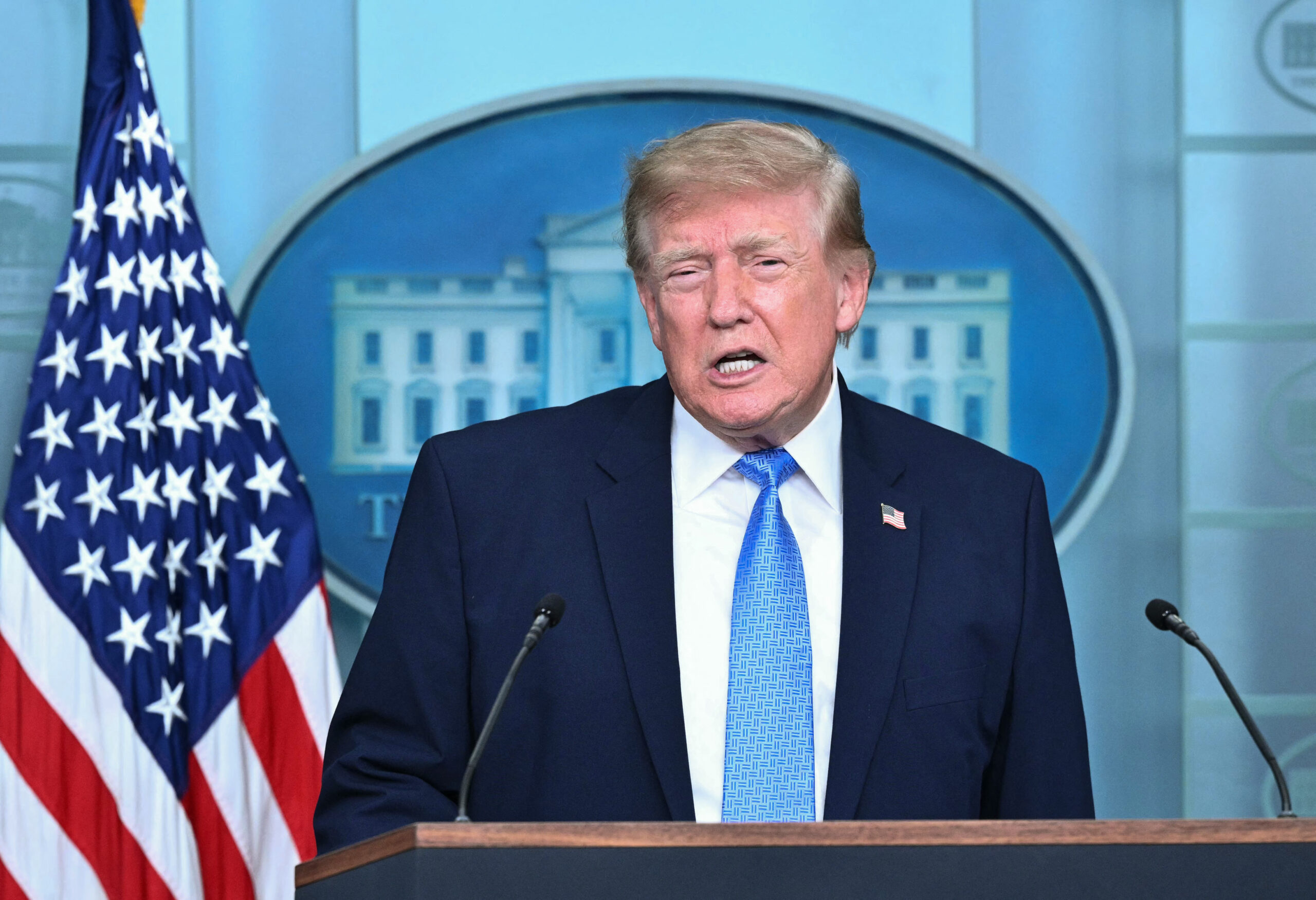
ALBAWABA- US President Donald Trump said on Monday that diplomatic efforts to end the conflict with Iran were gaining positive momentum following a meeting with Qatari Prime Minister and Foreign Minister Sheikh Mohammed bin Abdulrahman Al Thani at the White House.
Trump described the meeting as excellent and said discussions focused on Iran and prospects for ending the conflict. He indicated that he was in no rush to resume military strikes, expressing satisfaction with the US naval blockade of Iranian ports while maintaining that American forces remained prepared for further military action if necessary.
He also said Qatar, Saudi Arabia and other Gulf states favored maintaining the current pressure on Tehran, stressing that preventing Iran from acquiring nuclear weapons remained a non-negotiable US priority. Trump added that Washington was prepared to respond militarily if the situation changed, although he suggested renewed strikes were unlikely at this stage.
The meeting came as Qatar intensified its mediation efforts to secure a ceasefire and revive negotiations between Washington and Tehran. Doha has emerged as a key intermediary, relaying proposals between the two sides and working with regional partners to narrow differences over Iran's nuclear programme, the US naval blockade and the conditions for ending hostilities.
A reported two-day proposal, developed through regional mediation efforts, envisages Washington lifting its naval blockade of Iranian ports and releasing some frozen Iranian assets on the first day, in exchange for Tehran inviting International Atomic Energy Agency (IAEA) inspectors to visit nuclear sites damaged during the war.
On the second day, Iran would reopen the Strait of Hormuz, paving the way for broader negotiations over its nuclear programme. However, the proposal remains under discussion, with no agreement reached on its terms or implementation.
Iranian Foreign Ministry spokesperson Esmaeil Baghaei defended the proposal on Monday as the most reasonable framework available, reiterating Tehran's demands for an end to the naval blockade, sanctions relief, the release of frozen assets and a halt to hostilities before substantive nuclear negotiations can proceed. Foreign Minister Abbas Araghchi also indicated that Tehran was awaiting Washington's response.
"Qatar, Saudi Arabia, UAE, Bahrain, Kuwait, and others, would prefer the status quo, in other words, a continuation of the Greatest Naval Blockade in History, and the new Operation Iron Gate — Therefore, Land and Sea." - President Donald J. Trump 🇺🇸 https://t.co/0MYgOZn5V9
US Secretary of State Marco Rubio, however, played down expectations of an imminent breakthrough, saying negotiations had made little progress because Iran's demands were unacceptable and, in some cases, "outrageous and ridiculous and really not realistic."
Vice President JD Vance has also been closely involved in indirect negotiations, maintaining contacts with the Qatari prime minister as mediation efforts continue.
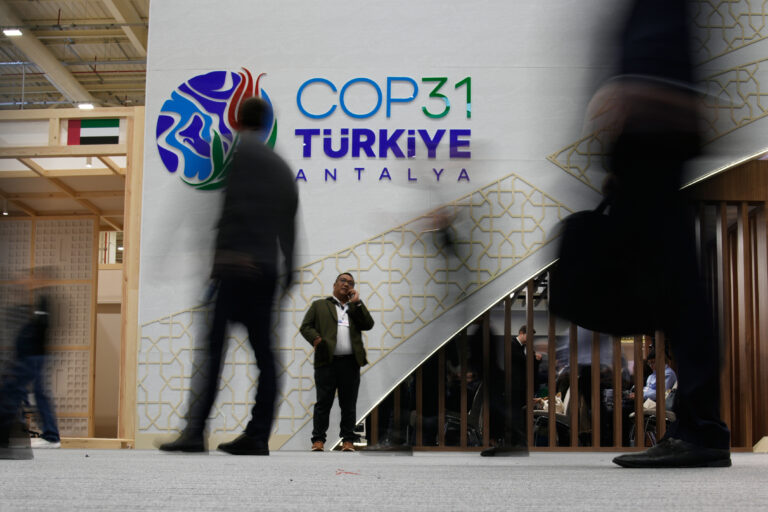
Regional diplomatic efforts have also intensified beyond Qatar. Turkish President Recep Tayyip Erdogan said on Monday that he had conveyed Ankara's concerns directly to Trump over the possibility of renewed attacks on Iran, warning that further escalation would destabilize the wider region. He stressed that disputes should be resolved through dialogue and diplomacy and reiterated Türkiye's readiness to help facilitate negotiations.
The diplomatic push follows an unannounced visit last Friday by Iraqi Prime Minister Ali Faleh al-Zaidi to Tehran, where he met Iranian President Masoud Pezeshkian and Parliament Speaker Mohammad Bagher Ghalibaf, who heads Iran's negotiating team. The visit focused on Baghdad's efforts to help end the US-Iran conflict, reduce regional tensions and prevent the confrontation from spilling over into Iraq.
Dr. Mansour Al-Maswari is Postdoctoral Fellow at Columbia University-Global Center, Amman. A Yemeni academician with a Ph.D. in English "Comparative Literature" and two MA degrees, one in political science and the other in English, Dr. Al-Maswari possesses more than 17 years of extensive experience in university-level teaching, research, research reviewing, bilingual translation, and copy-writing...
Subscribe to our newsletter for exclusive updates and enhanced content