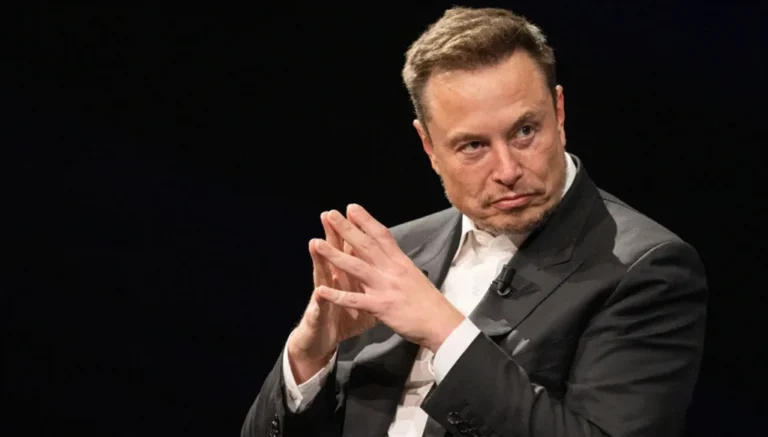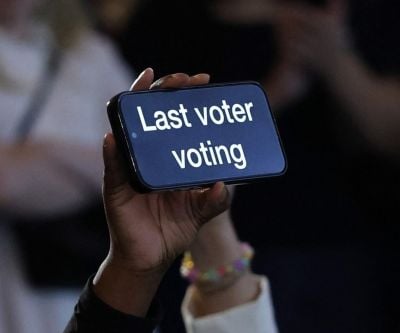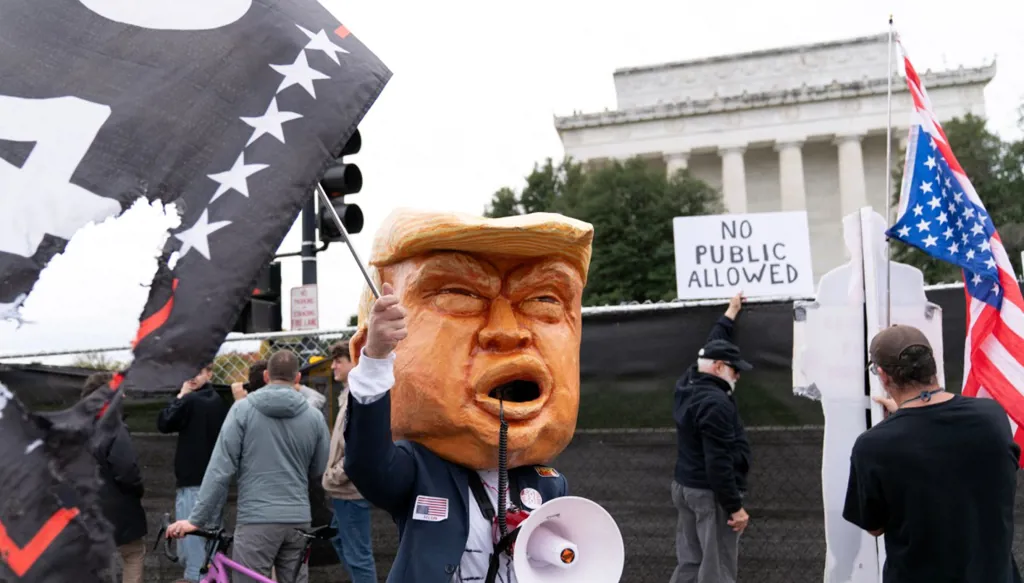
In his latest presidential campaign, President Donald Trump has spared no effort, matching the intensity of his campaigning over the past few weeks, crisscrossing the states to the point of exhausting the octogenarian president. His usual irritability has grown more pronounced as Election Day approaches, while the numbers offer him little cause for optimism.
If the latest opinion polls are accurate, this Tuesday will deliver Democratic majorities in both chambers of Congress, the House of Representatives and the Senate alike. This would mean two difficult years for everyone, starting with the Oval Office itself. The president will have to devote his time to defending whatever remains of his unfulfilled promises, as well as his legacy, which Democratic lawmakers will make a particular priority of dismantling. He will also have to defend his leadership of the Republican Party, which, in the end, will have no one to blame but Donald Trump for taking it out of the promised land of majority control.
Before all that, Trump may prove to be the worst loser of all time. If he leaves Americans with any legacy, it will be his refusal to acknowledge defeat and his unwillingness to accept that such misfortune could ever befall him. Although he could easily shift the blame onto others, all others, or even point to the American habit of turning away from the party in power in every midterm election, this election is once again all about him, as every election has been since 2016, a full decade ago.
Throughout these years, the president has treated the Republican Party as though it were his own private company, stripping the conservative party of the diversity and differences it needs to evolve, remain effective, and continue producing leaders and movements capable of competing with its rival party and its constant dynamism. An overwhelming majority of candidates in the current elections are those who won their primaries by wide margins over their traditional rivals, including even the most controversial figures, such as Ken Paxton, who could cost Republicans a Senate seat in Texas itself.
The election is therefore about Trump, and its results will ultimately come down to him. If the Democrats fail to secure a Senate majority, he will be able to live off that victory for the next two years. But if Republicans lose in their five red states, Texas, Kansas, Ohio, Alaska and Iowa, the result will mark the beginning of the end of the Donald Trump phenomenon.
But Trump only thrives in times of conflict and deep polarization. That was how he first entered the election arena, like a lone wrestler stepping into a vast ring where everyone was against him, starting with the Republicans, only to emerge as president. He took the same approach in his bitter confrontation with the Black Lives Matter movement, and later during the COVID crisis. Even his departure from the White House went down as an unprecedented episode in the country's history.
Now he stands on the brink of a Democratic storm that could make the remaining days and nights of his presidency miserable. Yet, judging by his recurring political patterns, Trump is unlikely to do anything but welcome the battles ahead, signing enough executive orders to overwhelm his desk and issuing enough vetoes to earn the title he gave himself: "Mr. Veto."
Yet similar past confrontations have often had economic repercussions for America. Americans' dissatisfaction with the current administration and the president's approval rating falling to record lows have been driven primarily by the economy. These are bread-and-butter issues that Democrats know how to address, while Republicans struggle to offer answers. Trump promised economic, political and other miracles, none of which materialized, despite having the legislative branch under his control. Meanwhile, inflation continued to rise.
As Democrats wage their November 3 battle to save the economy from Trump, and to save America, Republicans are fighting to save Congress from a candidate named Abdulrahman, or Abdul, or Mohamed, or one of the other names Trump changes on a daily basis. These are two unequal campaign messages for an election as consequential as the US midterms, in a country as large and influential as America.