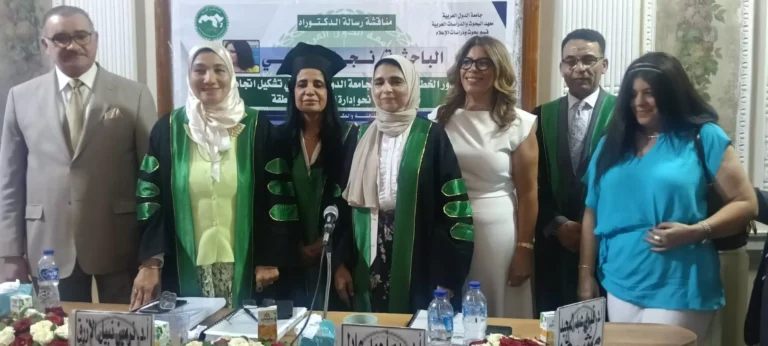
Minister of Tourism and Antiquities Sherif Fathy and Luxor Governor Abdel Muttalib Emara opened the tombs of Amenhotep “Rabouya” (TT416) and his son Samut (TT417) in El-Khokha area on Luxor’s West Bank on Thursday, May 14, 2026, following restoration and site development. Fathy stressed that archaeological preservation is a top priority to ensure sustainability for future generations. He described the project as a journey from 2015 to 2026, thanked the governor and archaeological staff for the successful completion. The Minister noted that private sector cooperation for site services will enhance visitor experiences under strict ministry management. “Development must balance conservation efforts guided by clear performance indicators,” he added. Governor Emara said Luxor continues to reveal new secrets through ministry and mission efforts, highlighting Luxor’s standing as a cultural tourism capital and its ongoing development. He said that ‘Decent Life’ sewage projects will be implemented in July to protect West Bank sites from groundwater, ahead of the peak season in October. SCA Secretary General Hisham El-Leithy said the opening of two restored ancient tombs in Luxor represents an important addition to the country’s archaeological attractions due to their exceptional historical and cultural value. He said the restoration project highlights the importance of the Theban necropolis and preserves the legacy of the tomb owners and their role in ancient Egyptian civilization. The restoration work extended beyond archaeological conservation to include upgrades to visitor services, including informational and directional signage, shaded areas to protect visitors from the sun and the preparation of a scientific guidebook in Arabic and English to provide a comprehensive tourism experience combining heritage and modern services. Moamen Othman, Head of the restoration and museum projects sector at Egypt’s Supreme Council of Antiquities, said the restoration included debris removal, the discovery of important archaeological finds, reinforcement of ceilings and walls, careful restoration of inscriptions and scenes, cleaning of original colors, installation of modern lighting systems and upgrades to security and surveillance systems. Mohamed Abdel Badie, head of the Egyptian Antiquities Sector at the council, said the tombs were discovered during excavations conducted by the American Research Center in Egypt in March 2015 while searching for the entrance to the tomb of Djehuty (TT110). He said the tombs had been covered by debris and suffered significant damage and were later used for collective burials through the Byzantine era. The two tombs date back to Egypt’s New Kingdom period. The tomb of “Rabuia” dates to the reign of King Thutmose III, while the tomb of “Samut” dates to the reign of King Thutmose IV. Both tombs follow the T-shaped architectural style commonly used for noble tombs during Egypt’s 18th Dynasty. The tombs contain scenes depicting daily life, including agriculture, harvesting and craftsmanship, as well as bread-making, pottery and wine production, fishing and bird hunting, in addition to banquet and celebration scenes inside the transverse hall. The longitudinal hall includes funerary scenes of the tomb owners, such as the dragging of a coffin on a sled, the transportation of funerary furniture in the presence of the gods Osiris and Hathor, and depictions of the “Opening of the Mouth” ritual. Officials also highlighted a rare scene showing the goddess Renenutet nursing a royal child, alongside depictions of false doors and ancestor veneration. Excavation work resumed in September 2020 during the COVID-19 pandemic and continued through the 2021 excavation season, including debris removal, well excavations and preliminary restoration work. The post Tourism Minister opens New Kingdom tombs in Luxor appeared first on Egypt Independent.