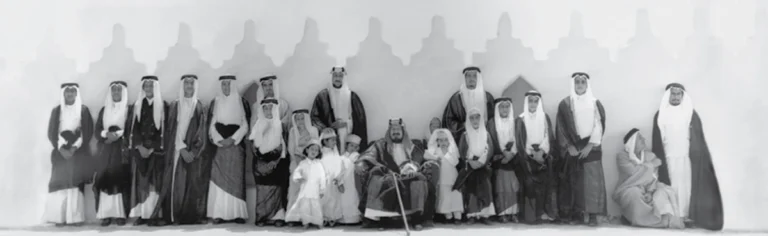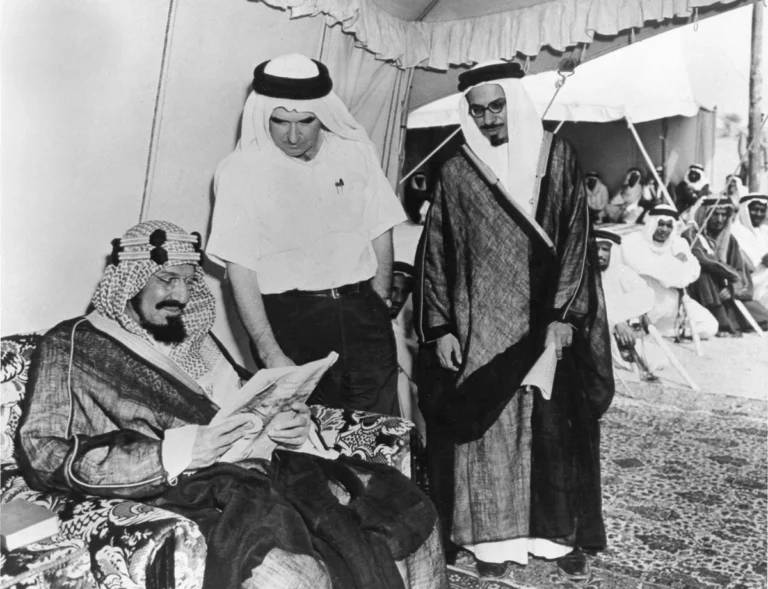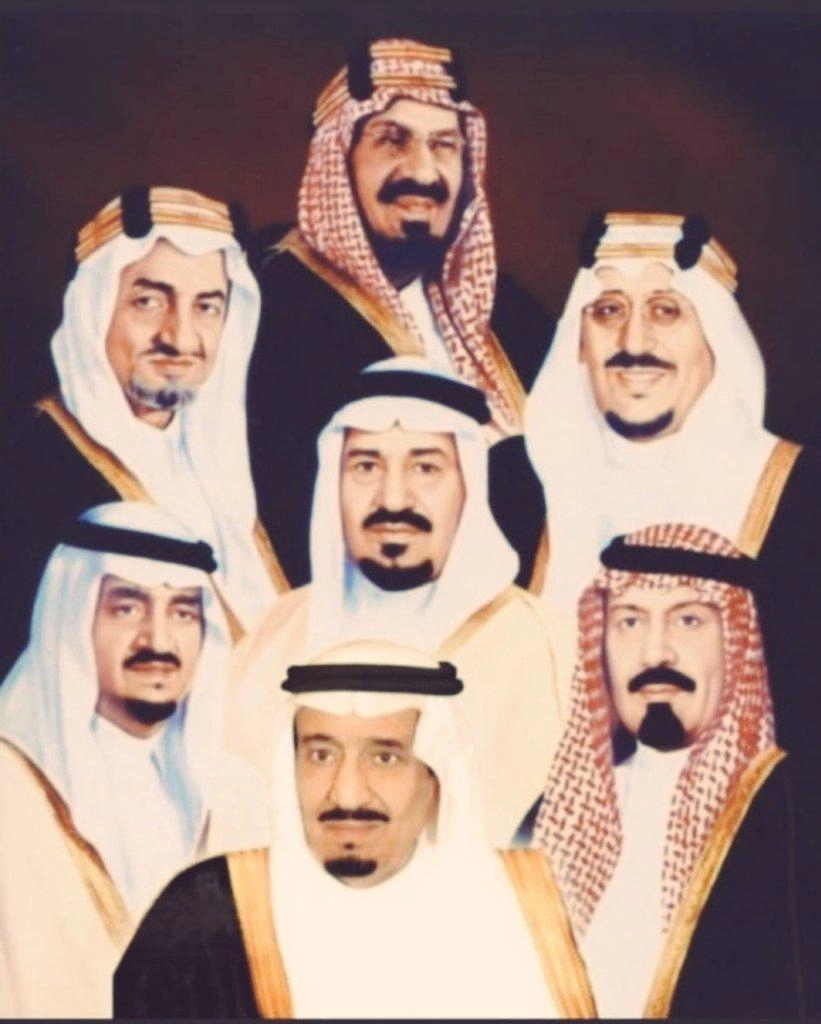
RIYADH — Every reign has faced a different Saudi Arabia.The Kingdom inherited by King Saud was not the country governed decades later by King Fahd. The Saudi Arabia of King Abdullah had entered another stage of development, while the reign of Custodian of the Two Holy Mosques King Salman has coincided with another period of far-reaching transformation.Yet across generations, the words of Saudi kings reveal recurring principles: preserving unity, maintaining security, advancing development and recognizing responsibility toward the country and its people.The King Abdulaziz Foundation for Research and Archives, known as Darah, brings together statements by the Kingdom's kings that provide a record not simply of seven reigns, but of continuity in the Saudi state.At the beginning stands King Abdulaziz bin Abdulrahman Al Saud.His words reflected the experience of a ruler who had spent decades bringing the country together and then turned his attention toward consolidating the state. His statements emphasized adherence to Islamic principles, unity and responsibility in governing the country.Those foundations became the inheritance of his sons.King Saud bin Abdulaziz remembered his father as a man whose life had been devoted to continuous struggle for the country, its independence and its advancement “in all aspects of life.”His description connected the achievement of unity with what had to follow it: progress.For King Faisal bin Abdulaziz, the founder's achievement could be seen in the transformation of the country itself.Reflecting on his father, King Faisal said history was best placed to judge King Abdulaziz as a monarch. But he pointed to achievements he had witnessed directly: the building of a kingdom and the establishment of security and order in areas where instability and fear had once prevailed.As the Kingdom entered subsequent stages of development under King Khalid bin Abdulaziz and King Fahd bin Abdulaziz, the scale of the state changed dramatically.New cities grew, infrastructure expanded and government services reached an increasingly large population. The national statements collected by Darah place this development within a broader idea repeated across the reigns: that progress should serve the country and its citizens.That relationship between history and responsibility was particularly explicit in the words of King Abdullah bin Abdulaziz.King Abdullah described the country's unity as the product of the struggle of King Abdulaziz and the men who stood with him. But remembrance, in his view, carried an obligation.He linked recalling the history of unification with responsibility in the present, stressing that its legacy was not preserved by memory alone but continued through work and service to the nation and its citizens.It is a distinction that gives National Day a meaning beyond commemoration.History explains how the country was built.Responsibility asks what each generation builds upon it.That continuity is also explicit in the words of King Salman bin Abdulaziz.Speaking of the approach established by his father, King Salman said King Abdulaziz had built his state on enduring foundations and that the approach was inherited by the kings who followed him.He described a succession extending through Kings Saud, Faisal, Khalid and Fahd, under which the conditions for productive work and national achievement were strengthened.Read separately, the statements belong to different rulers, decades and circumstances.Read together, they form a conversation across generations.King Abdulaziz spoke from the experience of unification and construction.His successors spoke from successive stages of consolidation, institution-building and development.And each generation inherited not a finished story, but a responsibility to continue it.That may be the clearest thread running through the words preserved across the reigns.Saudi Arabia changed.Its cities changed. Its institutions expanded. Its economy developed. The ambitions and capabilities of the country grew.But the idea expressed repeatedly across generations remained recognizable:Unity is an inheritance. Development is a responsibility. And building the Kingdom is a task passed from one generation to the next.