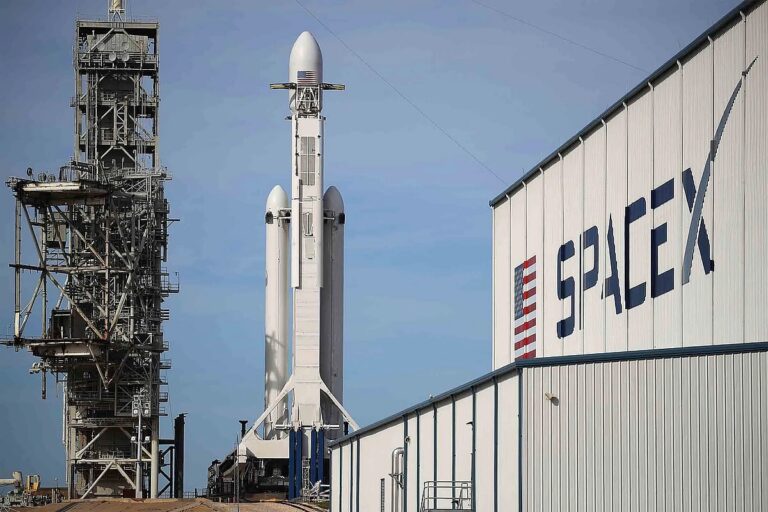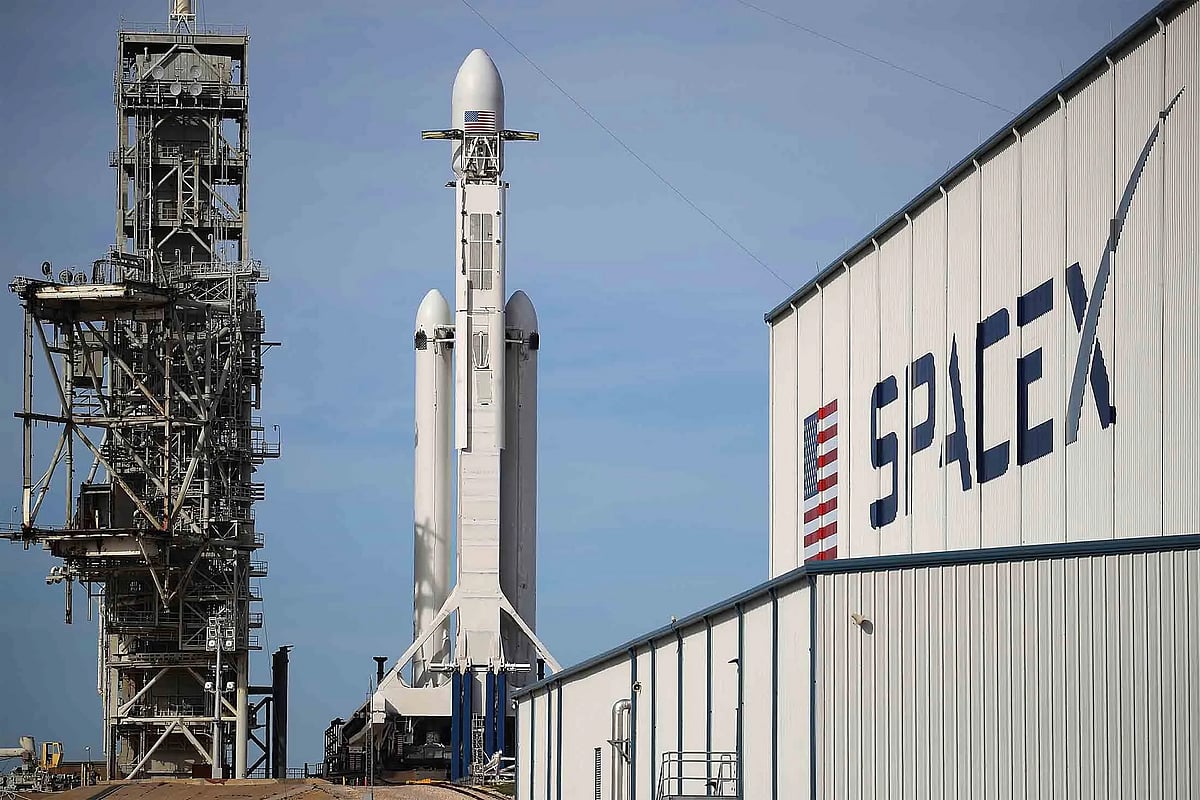
Independent directors assess a tie-up spanning electric cars, rockets and AI computingLast updated: October 25, 2026 | 05:55BloombergDubai: Tesla and SpaceX are exploring a possible merger that could give shareholders exposure to a broader business spanning electric vehicles, robotics, satellite internet, rockets and artificial intelligence — while bringing together their investment demands.Get updated faster and for FREE: Download the Gulf News app now - simply click here.Elon Musk, chief executive of both companies, said Tuesday that independent directors had formed special committees to examine a combination at shareholders’ request. He backed the idea but said the committees had not agreed on terms.For investors, those terms would determine the financial consequences: how the companies are valued, what shareholders receive and how much ownership and voting power they retain. Without an agreement, there is no basis to calculate those outcomes.“Some people out there assume that a SpaceX and Tesla merger is a certainty,” Musk said. “I think that would be overstating it.”What shareholders would gainA combination would broaden the businesses underlying each investment. Tesla shareholders could gain exposure to SpaceX’s satellite internet, launch operations and expanding AI computing business. SpaceX investors could gain exposure to Tesla’s electric vehicles and robotics activities.That would also widen the range of operating and spending risks attached to their holdings. The investment case would depend on whether closer integration produces benefits that justify the price and structure of a deal.Musk identified AI software, chip design, robotics and space-based computing as areas where the companies could benefit from working together. These are potential advantages; the discussions have yet to produce agreed financial benefits or deal terms.A central question for shareholders is how much a merger would improve on cooperation between two separate companies. Shared technology could support closer development, but Musk’s comments do not establish the savings or additional earnings a combination might deliver.Valuation to decide ownershipIf the companies proposed exchanging shares, their relative valuations would help determine how much of the combined business each shareholder group receives.Issuing new shares would change existing investors’ percentage ownership. Whether that exchange creates value would depend on the assets and earnings acquired, the price paid and the business’s subsequent performance. A smaller percentage stake alone would not establish that an investor had lost value.The eventual voting structure would matter too. Musk owned 48.4 per cent of SpaceX as of June 30 and controlled more than 82 per cent of its voting power through super-voting shares, according to the regulatory filing cited in the supplied report. He holds about 20 per cent of Tesla.Those existing stakes do not establish his ownership or control of a merged company. That would depend on the transaction’s terms and the rights attached to its shares.Why independent directors matterMusk described discussing the proposal as “tap dancing through a minefield”. Although he called a combination “a good idea”, he said his conflict of interest prevented him from participating in the committees’ talks.His ownership of both businesses makes their relative valuations particularly consequential. A price favourable to one shareholder group could be less attractive to the other, placing the independent committees’ assessment at the centre of any proposal.Musk said a deal would require support from a majority of all Tesla shares, rather than simply a majority of votes cast. He described that requirement as “quite a high hurdle”.That distinction gives shareholder participation practical importance. Shares that do not vote in favour would not help a proposal reach the required majority.Bigger AI business — and spending billSpaceX’s latest results show the scale of the business Tesla shareholders could be considering. The company reported third-quarter net income of $4.4 billion, reversing a $1.1 billion loss a year earlier, as revenue rose 161 per cent to $14.6 billion.Its AI division, now called Super Intelligence, generated $7.6 billion in revenue, more than nine times the year-earlier figure. It overtook Starlink as SpaceX’s largest business by sales, although satellite internet remained the biggest profit generator.SpaceX attributed the AI expansion to new cloud computing agreements, wider use of its Grok chatbot and its acquisition of AI coding startup Cursor.The growth requires substantial investment. SpaceX spent $19.6 billion on capital investment during the quarter, including $16.4 billion on AI, taking expenditure for the first nine months to $48 billion.For shareholders assessing a merger, quarterly profit and capital spending answer different questions. Profit measures earnings under accounting rules; capital expenditure shows the scale of investment in infrastructure. The $4.4 billion profit should therefore not be read as cash available to fund a combined group.Growth comes with execution demandsSpaceX’s computing capacity reached 1.7 gigawatts, up from 0.6 gigawatts a year earlier. It expects roughly 2.5 to 3 gigawatts to be operating by year-end.Musk said he was “fairly confident” the company could bring another 10 gigawatts online in 2027. He also identified power, cooling and electrical equipment as “somewhat of a limiting factor”.These expansion plans would form part of the investment commitments shareholders would need to assess alongside the proposed benefits of combining the companies.Starlink provides another source of growth. Revenue increased 69 per cent to $5.2 billion, while consumer subscribers reached 13.6 million. Average monthly revenue per consumer fell to $69 from $83 a year earlier.The merger discussions therefore involve more than combining a carmaker with a rocket company. Investors would be assessing a group with several expanding businesses, substantial infrastructure needs and different sources of earnings.The next substantive step would be an agreed proposal setting out valuation, shareholder consideration and voting rights. Until then, Musk’s support establishes his preference — while shareholders still lack the terms needed to judge the deal. - With inputs from AgenciesJustin is a personal finance author and seasoned business journalist with over a decade of experience. He makes it his mission to break down complex financial topics and make them clear, relatable, and relevant—helping everyday readers navigate today’s economy with confidence.
Before returning to his Middle Eastern roots, where he was born and raised, Justin worked as a Business Correspondent at Reuters, reporting on equities and economic trends across both the Middle East and Asia-Pacific regions. Get Updates on Topics You Choose