GENEVA: Suspected cholera cases tripled in three weeks in Yemen, the World Health Organization said Tuesday, warning that the growing disease burden was straining hospitals already treating war casualties.
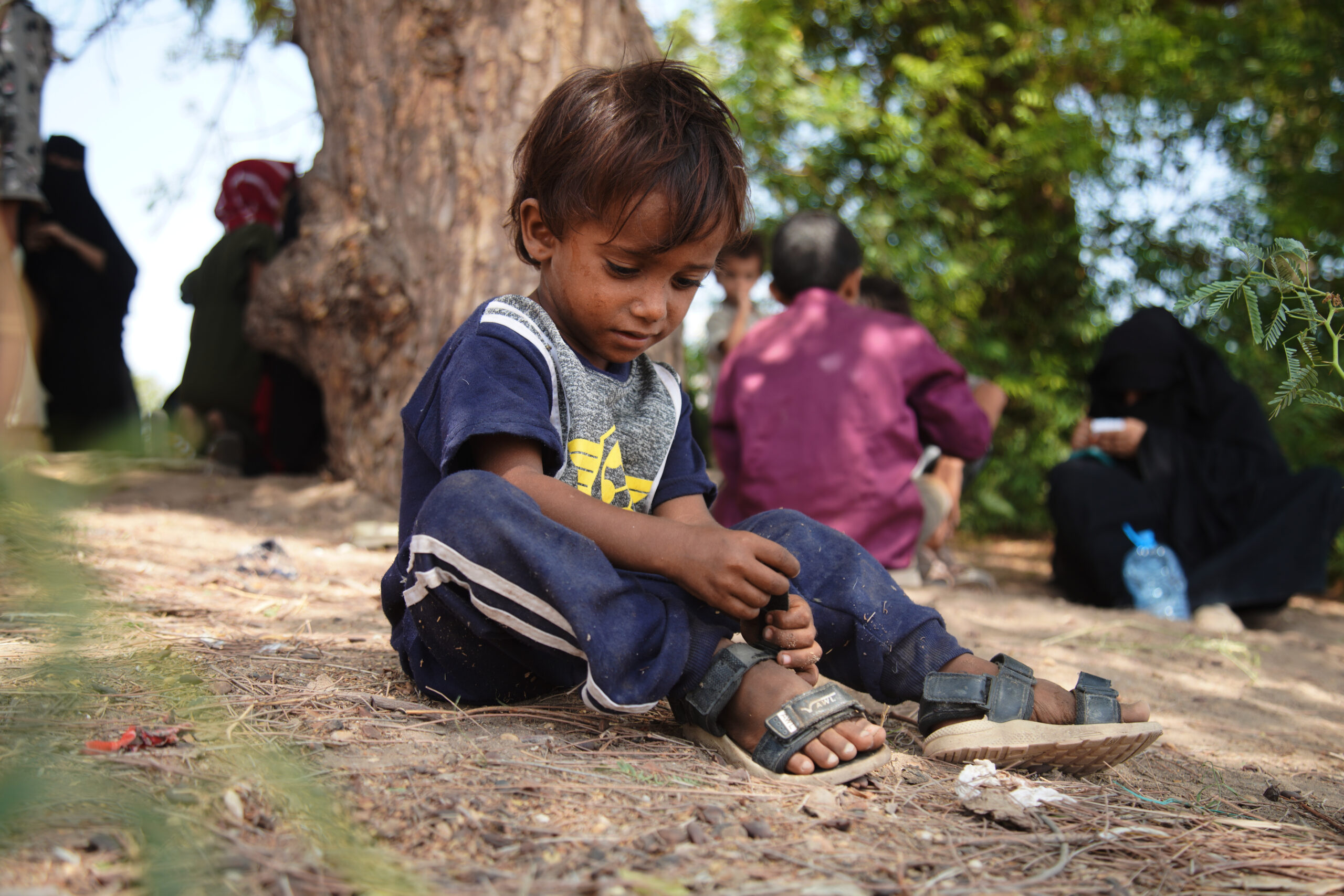
The country’s escalating war, combined with mass displacement, is fueling the risk of infectious disease outbreaks, the WHO said.
Overcrowding, inadequate access to safe water and disrupted health services are exposing growing numbers of people to cholera, measles and other preventable diseases, it said.
Suspected cholera cases have tripled from 217 in the week of September 6-12 to 647 in the week of September 27 to October 3, the WHO said.
The UN health agency said Yemen has reported 8,034 suspected cases and 27 deaths this year — with a quarter of the suspected cases occurring in the last four weeks.
Yemen’s war — where a Saudi-led military coalition supports the government against the Iran-backed Houthis — has reignited months into the US-Iran conflict that has plunged the Middle East into crisis.
“Families fleeing conflict are now facing another threat from diseases that can be prevented and treated,” said Annette Heinzelmann, the WHO’s emergency director for the region.
“Without urgent funding and unimpeded access to safe water, vaccination and essential health services, outbreaks could spread rapidly among already vulnerable communities.”
The UN’s International Organization for Migration said Monday that more than 217,000 people had fled their homes in Yemen since the fighting escalated.
Yemen, one of the world’s poorest countries, was already suffering a vast humanitarian crisis.
“The growing disease burden is putting additional pressure on health facilities that are treating thousands of people injured in the fighting,” the WHO said.
Cholera is an acute intestinal infection that spreads through food and water contaminated with the bacterium vibrio cholerae, often from faeces.
It causes severe diarrhea, vomiting and muscle cramps.
Cholera can kill when not treated, though it can be treated with simple oral rehydration, and antibiotics for more severe cases.
The Geneva-based WHO said it had only secured $3.78 million of the $31 million needed for its 90-day emergency response in Yemen.
The funding is intended to help expand disease surveillance in displacement sites, deploy rapid response teams, strengthen cholera treatment and improve infection prevention in health facilities and cholera treatment sites.
Stay on top of the issues that matter to you the most.