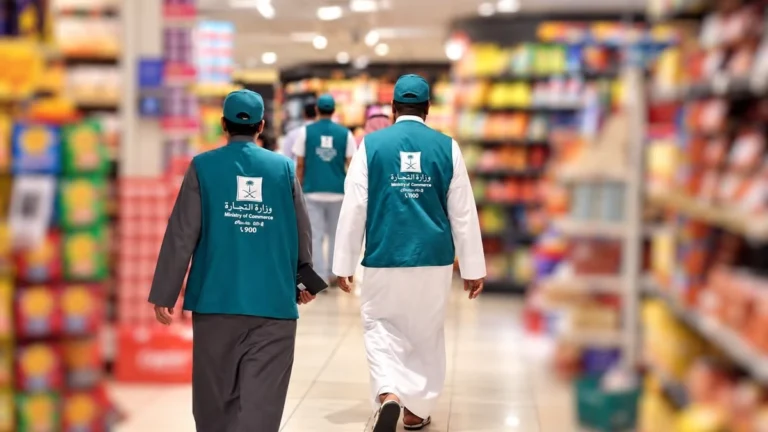
Saudi Arabia’s auto market is moving toward greater discipline and competition as the Ministry of Commerce steps up oversight of dealers, seeking to strengthen consumer protection and improve compliance with after-sales service requirements. The ministry announced it had suspended an auto dealership, barred it from importing vehicles and fined it SAR 8.12 million ($2.1 million) after recording 175 violations. These included failure to provide spare parts and replacement vehicles to customers during maintenance, as well as other breaches involving consumer rights, the Commercial Agencies Law and its implementing regulations. The ministry investigated the violations, contacted affected consumers and followed up to ensure they received their rights and due compensation, including replacement vehicles. It also summoned the manufacturer, oversaw corrective measures and recall campaigns, and began transferring the brand to another dealer after verifying its readiness and ability to provide the necessary services. Mohammed Al-Farraj, chief asset management officer at Arbah Capital, told Asharq Al-Awsat that Saudi Arabia’s large auto market and sustained demand make it one of the region’s most attractive, supported by population and economic growth, expansion of the non-oil economy and mega-projects, and growth in tourism and logistics. The availability and variety of financing options play a key role in supporting demand, particularly because cars are a necessity for a large segment of the population rather than a luxury, Al-Farraj noted. Market performance is influenced by vehicle prices, financing costs, income levels and supply, as well as competition among brands and the quality of after-sales services. Al-Farraj described the ministry’s tougher oversight as a positive step toward protecting consumers and improving market discipline, stressing that a dealer’s obligations do not end with a sale but extend to warranties, maintenance, spare parts and replacement vehicles when needed. Stronger after-sales compliance should bolster market confidence and gradually shift competition toward quality and reliability rather than price alone. Al-Farraj expects intensifying competition to push dealers to focus more on the value offered throughout vehicle ownership, including total cost of ownership and customer service.