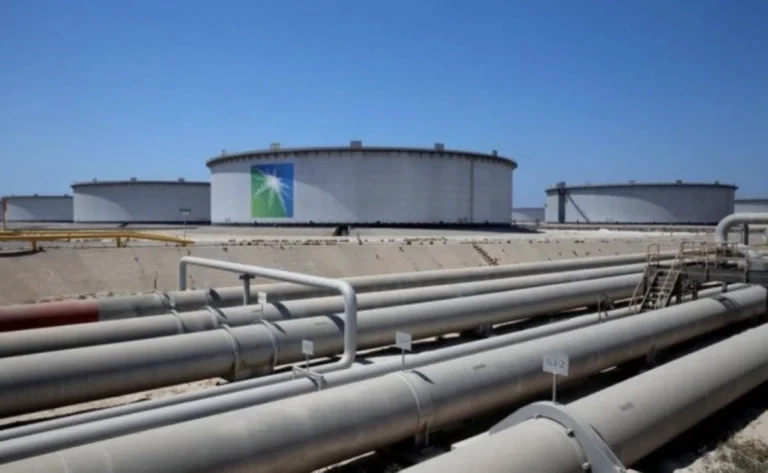
Saudi Arabia is no longer preparing for the age of artificial intelligence; it is helping shape it. After designating 2026 as the Year of AI, the Kingdom has evolved from a promising market into a major technology hub, attracting global companies eager to establish regional operations. Reflecting that momentum, US data and AI company SAS selected Riyadh as its regional headquarters for the Middle East and North Africa a year ago. Founded in 1976, SAS is marking its 50th anniversary this year and is among the world’s leading providers of predictive analytics, data management, and machine learning solutions, serving industries including energy, finance, and healthcare. Speaking to Asharq Al-Awsat on the sidelines of the Global AI Show, held in Riyadh on June 29-30, Khaled Moussa, Senior Customer Account Manager at SAS, said Saudi Arabia’s Vision 2030 has accelerated the adoption of advanced and sophisticated technologies. He noted that the Kingdom’s modern digital infrastructure has enabled increasingly complex technological operations, fueling demand for SAS solutions and those of other technology firms across multiple sectors. “The remarkable growth taking place in Saudi Arabia is attracting significant attention in the United States and beyond,” Moussa said. “That has encouraged international companies to make serious commitments to the market because of its rapid adoption of intelligent technologies.” Although SAS has operated in Saudi Arabia since 1984, he added, “the market has reached a new level of maturity, both in terms of regulation and technology adoption.” Moussa said SAS maintains a strong presence across several strategic sectors, particularly energy, through its collaboration with Saudi Aramco, the world’s largest energy company. The company also works with the Saudi Electricity Company, providing advanced forecasting tools to predict electricity demand and support long-term planning, helping improve operational efficiency and future preparedness. SAS also supplies analytical solutions for the water sector to strengthen sustainability efforts. Moussa highlighted two areas where predictive analytics deliver particular value. The first is market forecasting, where SAS helps organizations anticipate trends and make data-driven decisions while reducing unnecessary costs. The second is predictive maintenance, which allows industrial operators to identify potential equipment failures before they occur, minimizing downtime and avoiding costly repairs. He also underlined SAS’s long-term commitment to developing Saudi talent. The company partners directly with universities to offer six-month paid internships, equipping students with practical experience before they enter the workforce. In addition, SAS extends its training initiatives to schools and universities, teaching students how to apply AI technologies and preparing them for future careers. The Global AI Show brought together more than 100 experts and global leaders from 80 countries, including government officials, innovators, and digital transformation specialists. The event attracted more than 10,000 participants, 100 exhibitors and sponsors, and coverage from 200 international media organizations, reinforcing Riyadh’s growing role as a global platform for AI policymaking and international technology cooperation.