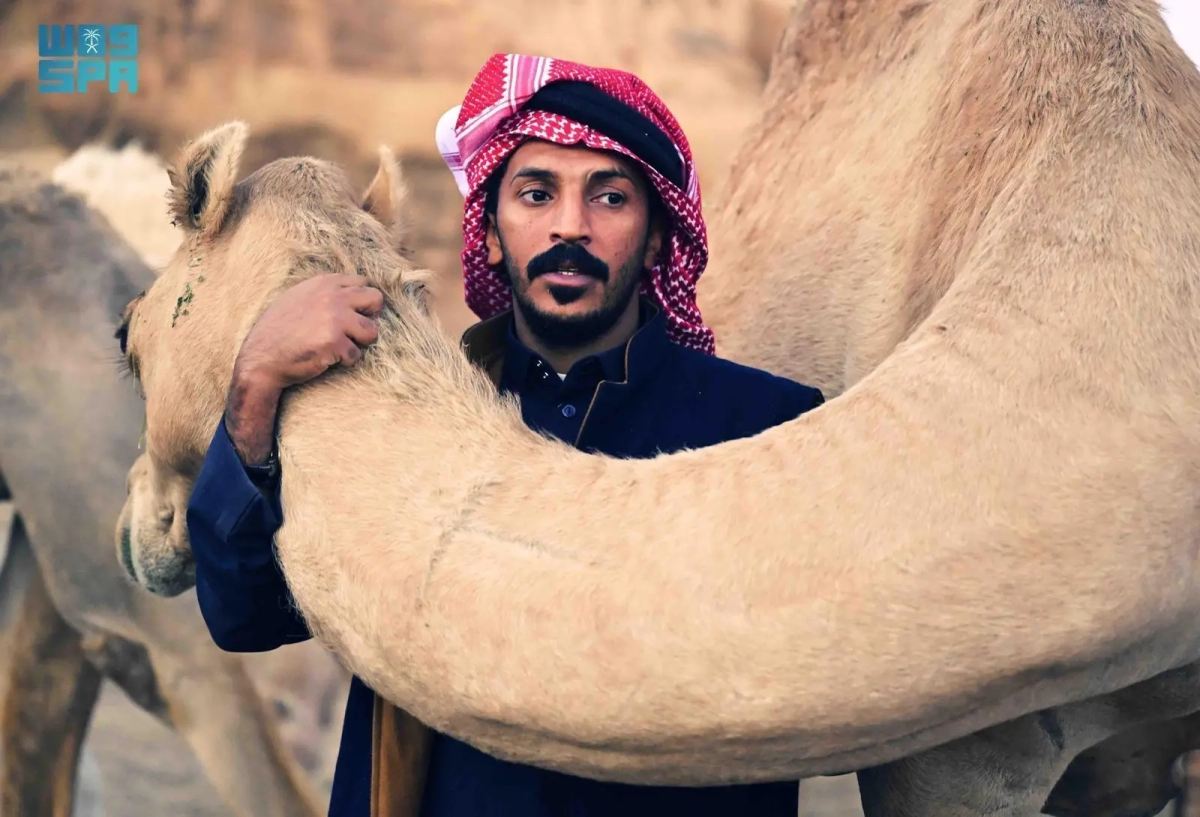
RIYADH — The Ministry of Environment, Water and Agriculture has approved new regulations governing camel trading across the Kingdom, covering the sale, purchase, rental and exchange of camels.The regulations are aimed at developing practices within the sector, protecting the rights of owners and traders, strengthening the livestock industry and promoting camel welfare.The ministry said the rules establish an integrated regulatory framework for camel-related transactions, strengthen documentation of ownership and commercial dealings, and improve compliance with health and biosecurity requirements.They apply to individuals and entities involved in the sale, purchase and trading of camels and are based on the Agriculture Law and its executive regulations, the GCC Animal Welfare Law and its executive regulations, as well as ministry procedures governing camel registration and management through electronic platforms.Under the regulations, camel sales must meet requirements governing the validity of contracts, identification of the animals and agreed prices.Sellers are required to complete ownership transfer procedures, deliver camels in the agreed condition and disclose their health status and any rights associated with them.Buyers, meanwhile, are responsible for payment, receiving the animals and complying with requirements related to medical care, examinations, vaccinations, transportation and registration.The regulations also govern temporary camel auctions, requiring ownership transfers to be completed through approved procedures.Camels showing signs of stress or illness, or those that have not completed approved vaccination programs, cannot be offered or sold at auctions.Details of the camels, sellers, buyers, prices and payment methods must also be documented. The rules require compliance with livestock transportation regulations and other approved supervisory requirements.Transporting camels without ministry approval constitutes a violation subject to fines under the Agriculture Law and its executive regulations.The new rules also establish animal welfare requirements for camel markets, exhibitions and auctions, including prohibitions on provoking or disturbing camels. Appropriate distances must be maintained around the animals, while display areas must be kept clean.Cases of animal abuse or cruelty can be reported through the ministry’s approved channels, with legal measures to be taken against violations.For camel rentals, owners must be registered with the ministry and have an active primary camel registry. Rental contracts must be documented electronically, while records must be updated when animals are transferred or their information or location changes.Contracts must specify the rental period and value, with parties required to comply with health, biosecurity and vaccination requirements. Camels must be returned to their original owner’s registry when the rental agreement ends.Camel exchanges are also subject to electronic contract documentation, verification of ownership, identification and registration details, and disclosure of any existing rights associated with the animals.The ministry said violations could result in measures including the suspension of registrations, referral of violations for further action and penalties under the Agriculture Law and its executive regulations.Government support may also be suspended or recovered in cases covered by the regulations.