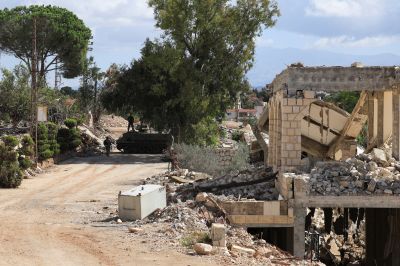
Sanaa forces accused Saudi Arabia of committing further "war crimes" against civilians and destroying infrastructure in several Yemeni provinces, warning that their target list could expand to sensitive sites, particularly in the Saudi capital. A military source in Sanaa told Al-Akhbar that Saudi airstrikes on bridges and infrastructure, justified by claims that they were used as missile-launching platforms, reflected "complete bankruptcy." Civilian bridges, the source argued, "are not used for military purposes," warning that Sanaa could respond by adding vital bridges in Saudi Arabia, particularly Riyadh, to its target list. The warning followed a series of heavy Saudi airstrikes on commercial markets, bridges and roads linking provinces under the control of the Sanaa government. The attacks caused further casualties in Taiz, Saada and Hodeidah. One strike on a commercial market in the Mafraq Mawiyah area south of Taiz killed or wounded 50 civilians. It was the second attack on a market in days after Saudi aircraft struck a market in Lahj province, also causing civilian casualties. Anis Al-Asbahi, spokesman for the Yemeni Health Ministry, reported 67 people killed and 107 wounded in Saudi strikes between September 3 and Sunday, most of them women and children. Brigadier General Yahya Saree, spokesman for Sanaa forces, reported 26 F-15 airstrikes on Taiz, Al-Jawf, Marib, Dhamar and Saada within 24 hours. According to reports, Riyadh deliberately targeted infrastructure outside active combat zones, apparently to avoid further losses among its warplanes and drones. Targets included Al-Dalil Bridge linking Ibb, Taiz and Dhamar, and Al-Barh Bridge connecting Taiz with the coastal city of Mokha. Their destruction disrupted internal transport between the provinces. With retaliation from Sanaa expected, its chief negotiator, Mohammed Abdul-Salam, condemned the attacks as evidence of Saudi Arabia's "true destructive intentions" toward Yemen. "The escalation of these massacres against civilians and infrastructure will not bring it any achievement," he wrote, arguing that the attacks would instead strengthen Yemenis' resolve to pursue legitimate goals. Sanaa forces have also carried out attacks inside Saudi Arabia, most recently the "Riyadh Operation" earlier this week. The attack prompted authorities in the capital to impose an undeclared state of emergency and suspend in-person schooling indefinitely, returning to remote learning through the Madrasati platform. According to observers, the decision marked the first such nationwide educational suspension in Riyadh since the coronavirus pandemic. This is an edited translation for a report published in Arabic.