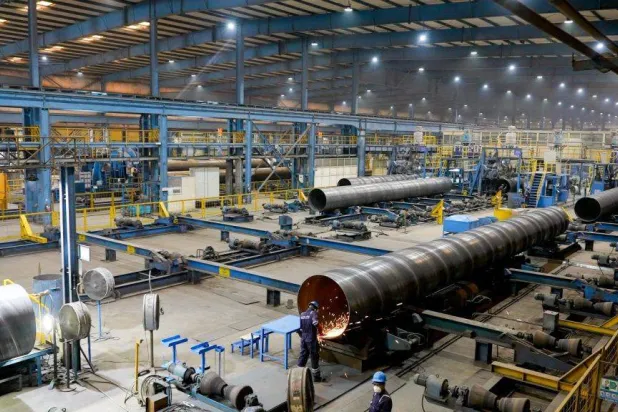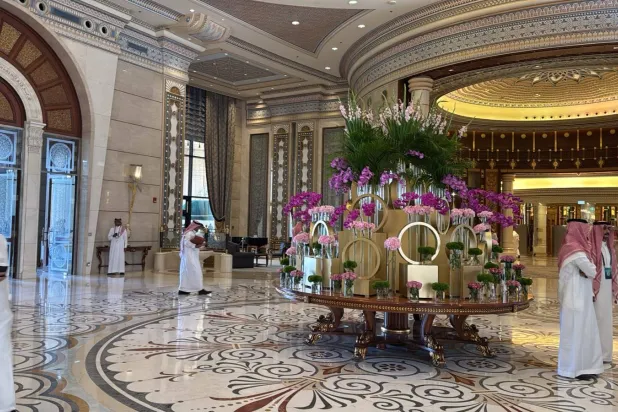
Riyadh will host the 17th ministerial meeting of the International Energy Forum on Sunday, bringing together ministers, officials and energy industry leaders to discuss supply security, market stability and closer cooperation between producing and consuming nations. The meeting comes as rising geopolitical risks threaten oil and gas flows, underscoring the importance of resilient infrastructure and export routes. The meeting, hosted by Saudi Arabia in cooperation with Italy and Nigeria, is being held under the theme “Energy Security and Shared Goals in a New Era.” It is part of a series of international meetings and events taking place in the Saudi capital from Oct. 11-15, bringing together government officials, corporate leaders, international organizations and experts from around the world. Energy security has taken on growing importance amid supply disruptions and risks to maritime chokepoints, particularly the Strait of Hormuz. These challenges have raised questions about markets’ ability to absorb shocks, secure energy flows and provide alternative export routes when traditional shipping lanes are disrupted. The week’s agenda extends beyond supply security to cover investment in the energy sector, shifts in global demand, the use of digital technologies and artificial intelligence, the development of clean energy sources, carbon management and the role of critical minerals in building future energy systems. Clean Energy, Innovation on the Agenda Alongside the International Energy Forum’s ministerial meeting, Riyadh will host the 17th Clean Energy Ministerial (CEM17) and the 11th Mission Innovation Ministerial (MI-11) from Oct. 11-13, bringing together ministers, officials, private-sector leaders and representatives of research and innovation institutions. The meetings will focus on accelerating the development of clean energy technologies and scaling up their deployment, turning innovations into practical solutions to support energy system transitions. Discussions will also address ways to strengthen cooperation among governments, companies and research centers, and support technologies that improve efficiency and reduce emissions. These issues reflect the expanding international debate over the future of energy, which now extends beyond boosting production and securing supplies to include investment in grids and new technologies, meeting growing electricity demand, and balancing energy security with affordability and sustainability. World Petroleum Congress opens on Monday The week’s events will continue with the official opening of the 25th World Petroleum Congress (WPC Energy) on Monday at the Riyadh International Convention and Exhibition Center, under the theme “Pathways to an Energy Future for All.” The congress and its accompanying exhibition will run through Oct. 15. The congress will bring together energy ministers, corporate executives, experts and investors to discuss oil and gas markets, energy security and investment, artificial intelligence and digital transformation, critical minerals, carbon management, natural gas and the evolution of the global energy mix through strategic and ministerial sessions. The program will also include workshops and technical seminars organized by the Organization of Arab Petroleum Exporting Countries (OAPEC) during the congress. Together, the meetings and events aim to provide a platform for dialogue among governments, producers, consumers, companies and international institutions at a time when energy markets face overlapping challenges related to geopolitics, supply reliability, investment needs and rapid technological change.