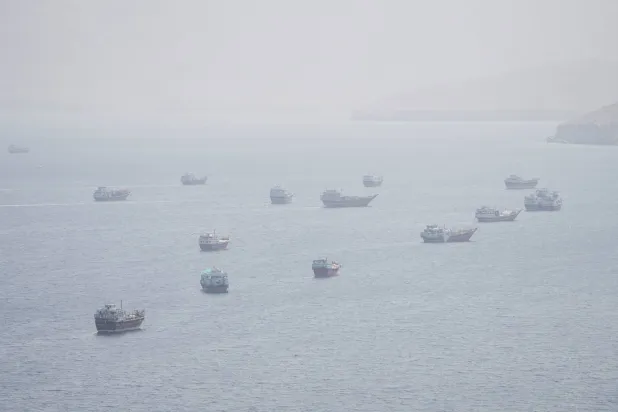
As mounting geopolitical tensions threaten global energy supply routes, Saudi Arabia has emerged as a pivotal player in safeguarding oil market stability, drawing on a combination of strategic infrastructure and active diplomacy. By maintaining the flow of exports through the East-West Pipeline, which transports around 7 million barrels per day to the Red Sea away from sensitive maritime chokepoints, alongside its central role within the OPEC and OPEC+ alliance and its political efforts to ease regional tensions, the Kingdom has reinforced its position as one of the world's most reliable energy suppliers. These efforts have helped curb market volatility and preserve global energy supply security. Saudi Arabia has also played a central role within OPEC+ in maintaining market balance, leading efforts to coordinate production levels in a way that limits sharp price swings and prevents significant supply shortages or surpluses. This role has strengthened confidence among both producers and consumers in the alliance's ability to respond effectively to crises. East-West Pipeline In this context, former senior adviser to the Saudi oil minister Mohammed Al-Sabban told Asharq Al-Awsat that Saudi Arabia and its partners have successfully maintained export flows through the East-West Pipeline, which was built in the mid-1980s. Without it, he said, the market would have faced severe disruptions under current conditions. Al-Sabban explained that the pipeline carries approximately 7 million barrels per day, a volume that has played a major role in stabilizing markets. He added that Saudi Arabia has also contributed to oil market stability through OPEC and OPEC+, reinforcing its standing as a dependable and reassuring supplier capable of meeting global demand. He added that Saudi Arabia continues to pursue solutions acceptable to both sides through its direct and indirect contacts with Iran and the United States, playing an active role in de-escalation efforts while supporting the stability of global energy markets. Infrastructure Energy specialist Nayef Al-Dandani told Asharq Al-Awsat that Saudi Arabia maintained uninterrupted crude exports during the 2026 Strait of Hormuz crisis and continued supplying global markets despite severe disruptions to maritime navigation. He said this achievement played a key role in limiting global supply shocks and stabilizing markets thanks to prior planning, alternative infrastructure, and regional coordination. Al-Dandani said the East-West Pipeline, also known as Petroline, served as the Kingdom's primary export artery and provided a critical alternative to the Strait of Hormuz, the center of the disruption. The pipeline stretches from Saudi Arabia's Eastern Province to the Red Sea port of Yanbu and has a capacity of up to 7 million barrels per day. During the crisis, Saudi Arabia redirected most of its exports through the pipeline, enabling it to ship around 4 million to 5 million barrels per day while bypassing the Strait of Hormuz. Al-Dandani said the pipeline later returned to full operating capacity after sustaining temporary damage. He added that Red Sea ports played a fundamental role by becoming key export hubs, with shipments rising significantly and export volumes through Yanbu increasing by more than 300 percent compared with previous periods during some months. Alternative Routes Al-Dandani added that Saudi Arabia worked closely with its regional partners, holding discussions with Kuwait, Bahrain, and other countries to expand pipeline networks and accommodate their crude exports. Overseas storage facilities operated by Saudi Aramco, together with Egypt's SUMED pipeline, also supported oil flows to Europe and Asia. He stressed that Riyadh maintained its credibility as a global supplier and continued to honor its commitments despite a decline in overall Gulf exports. Tracking data also showed that Saudi crude continued flowing through alternative and partial routes, demonstrating strong logistical flexibility. "This success did not prevent a temporary decline in export volumes, but it averted a complete supply breakdown and helped avoid catastrophic oil price scenarios," he said. These developments come as recent events have reinforced analysts' assessment of Saudi Arabia's importance in stabilizing global energy markets. Saudi Aramco announced on Monday that it continues to maintain reliable energy supplies despite geopolitical disruptions, supported by its diversified infrastructure, led by the East-West Pipeline and export facilities on the Red Sea. The announcement followed days after OPEC+ decided to proceed with its gradual production increase beginning in September, a move reflecting continued coordination among leading producers under Saudi leadership to preserve market balance. The decision aligns with what experts told Asharq Al-Awsat: that the Kingdom's robust infrastructure, leadership within OPEC+, and diplomatic efforts to reduce regional tensions have been key factors in limiting market volatility and safeguarding global energy supply security.