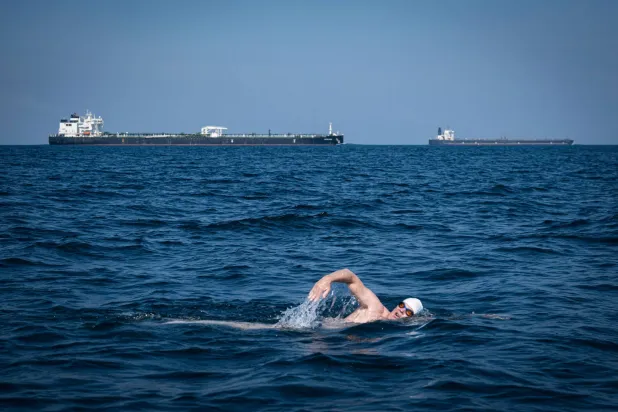
The amount of oil being shipped through the Strait of Hormuz has begun to drop in the face of near-daily Iranian strikes on ships, the Financial Times reported. It quoted the UK Maritime Trade Operations as saying on Friday that a total of 263 vessels passed in and out of the crucial waterway in the week to November 18— some 15 percent fewer than the previous week and 20 percent less than the week before that. Of those vessels, 37 were oil tankers, down from 52 a week earlier, but on a level with the week before that. Preliminary data from commodities platform Kpler, measured in barrels, showed that oil flows through the strait in the second week of November were close to half those in the first week. The figures may be revised higher as more vessels undertaking “dark transits” are identified, but the lower volumes suggest Iran’s latest campaign of strikes on merchant shipping is starting to reduce oil exports. Some analysts had pointed to increased flows of crude out of the Gulf in October as evidence that Middle Eastern producers had found ways to get their product to international buyers. On six days in October, shipments through the strait exceeded pre-war levels. But Giovanni Staunovo, a strategist at UBS, said in a note on Friday that “the recovery in Middle Eastern exports is looking increasingly fragile.” Iran’s strikes on shipping began to rise in October after a period of relative calm. They have continued despite ongoing diplomatic efforts to find a resolution to the conflict and restore shipping flows. At least seven tankers have been hit in the past week, while at least three vessels have sunk since the conflict started. About 135 ships used to pass through the narrow strait each day before the US-Israeli strike on Iran at the end of February, carrying about a fifth of global oil and gas supplies, among other products.