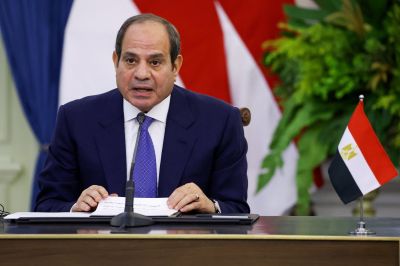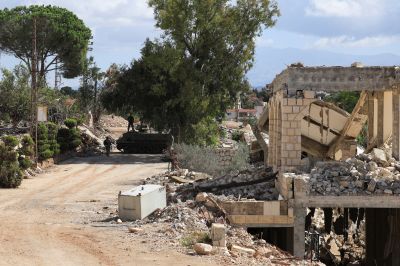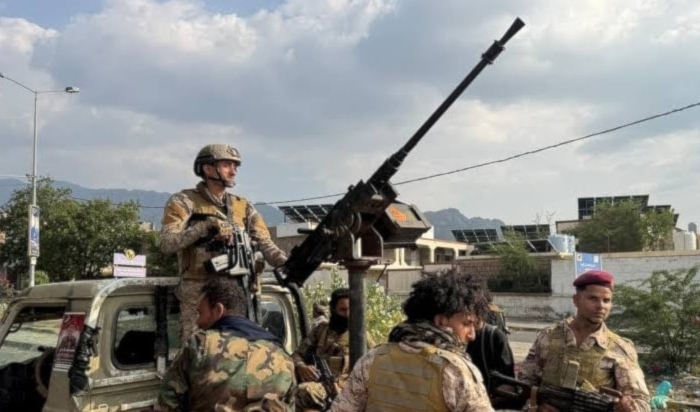
The media fanfare surrounding the deployment of Arab and non-Arab forces to Yemen, including Egypt’s symbolically important participation, has changed little on the ground. None of the countries involved appears willing to commit its troops to a full-scale war to change the balance of power in Yemen. Meanwhile, Sanaa has no apparent ambition to target Saudi Arabia beyond retaliating for Saudi airstrikes and the blockade of areas under its control. Its stated aim is to pressure Riyadh to end both and leave Yemenis to determine their own future. Ending the war therefore depends on Saudi Arabia’s ability to endure the current impasse and escape the predicament Washington has created for it as part of the wider conflict with Iran. Riyadh has so far failed to turn its allies into a genuine military coalition capable of deploying large forces inside Yemen and reversing the balance, which increasingly favors Ansar Allah. Whether through formal alliances, such as the Mecca Pact with Türkiye and Pakistan, or through partners such as Egypt, Saudi Arabia has secured little more than symbolic participation. Money alone cannot buy a meaningful military commitment. Deploying large forces requires enormous resources, while allied governments need benefits that justify the costs and risks. Saudi Arabia itself has avoided sending its army into a full-scale ground war inside Yemen. This may largely reflect the Saudi military’s widely perceived inability to fight, rooted in the structure of the state, much like other Gulf monarchies. These states were built on a longstanding need for outside powers to defend them in exchange for access to their resources, particularly oil. Even if the countries involved overcame their domestic constraints and deployed large forces, they would not necessarily reverse the balance. Türkiye cannot operate in Yemen as it does in Syria and Iraq, where it has deployed troops against Kurdish groups it considers a threat to its own security. Pakistan likewise cannot fight in Yemen as it does along its disputed border with India in Kashmir, where it sees its territorial integrity at stake. Saudi Arabia nevertheless continues trying to draw its allies into the conflict. Its efforts to open a border front with Sanaa’s forces in the Yemeni provinces of Saada, Hajjah and Al-Jawf appear designed to draw them into direct clashes with allied forces stationed in Saudi Arabia’s Jizan and Najran regions. These constraints suggest the war will largely continue along its current course, allowing Sanaa’s forces to expand their control in the former North Yemen with limited resistance. The battle for Taiz illustrates this trend. Sanaa’s forces have encircled the city and entered some of its inner neighborhoods, raising the prospect that they could secure control through fighting or a negotiated settlement. The Islah Party, affiliated with the Muslim Brotherhood, has reportedly sought Omani mediation over the city’s administration and sent a delegation to Muscat to meet Ansar Allah’s negotiating team. Meanwhile, Saudi Arabia has left itself with few options for ending the war without what it would regard as another humiliating defeat, especially after assembling alliances and forces to achieve objectives that remain out of reach. Yet Sanaa cannot end the war through military victory over Saudi Arabia alone. Nor can it readily enter Yemen’s southern and eastern provinces, which Riyadh controls and where separatist forces seek independence for the south. Opening that front now would be politically and militarily unwise. The southern question may only be resolved as part of a comprehensive settlement to Yemen’s wider crisis, which would also require Saudi participation. Ansar Allah understands these limits and has kept its demands to a minimum, summed up in an end to the war and the lifting of the blockade. Such concessions, the movement argues, would be justified and would make it easier for Riyadh to exit the conflict. But Sanaa shows no sign of abandoning what it considers its only effective means of securing those goals, namely military and economic pressure inside Saudi Arabia, around the Bab Al-Mandab Strait and in Yemeni provinces under Saudi control. Meanwhile, Saudi Arabia has left itself with few options for ending the war without what it would regard as another humiliating defeat, especially after assembling alliances and forces to achieve objectives that remain out of reach. This is an edited translation of an article originally published in Arabic.